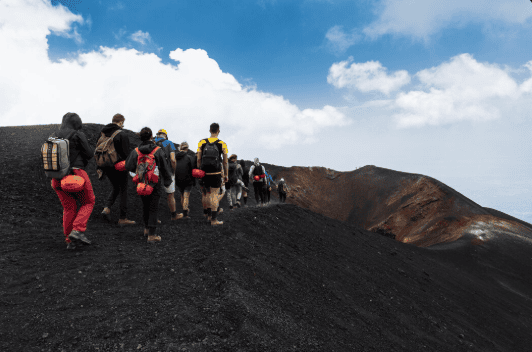
Imagine one minute you’re basking in glorious sunshine, enjoying a stunning panorama in the Swiss Alps. The next, a sudden wind whips up, bringing a chilling rain that drops the temperature ten degrees in a flash. Sound familiar? That’s European hiking for you, magnificent, but notoriously unpredictable.
So, what to wear hiking in Europe? The simple, expert answer is this: The 3-Layer System is non-negotiable. You need gear that adapts as quickly as the weather changes, meaning you must invest in high-quality, non cotton base layers, breathable insulation, and a reliable waterproof outer shell. Ditching the cotton t-shirt and those bulky clothes is the first step toward enjoying any European trail, whether you’re trekking the rugged Dolomites or exploring the gentle hills of Tuscany. By focusing on smart layering, you ensure maximum comfort and safety, transforming your walk into a memorable adventure.
This isn’t just about packing a few extra sweaters; it’s about making strategic choices so you can enjoy every mile, from the coastal paths of Portugal to the high passes of Norway. Let’s dive into how to pack like a pro.
Understanding the European Hiking Climate & Terrain
If you think you can pack the same gear for a hike in the Scottish Highlands in October as you would for a summer walk along the Croatian coast, think again! The vast diversity of Europe, both in terms of geography and weather, is why understanding where and when you are going hiking is the most critical factor in deciding what to wear hiking in Europe.
The Layering Principle is Non Negotiable
In the hiking world, we live by the Three Layer System: Base, Mid, and Outer. This is your foundation. Why? Because it gives you control. If you get too hot while climbing a steep incline, you strip the mid layer. If you stop for lunch and the temperature drops, you throw it back on. If the rain starts, you reach for the outer shell. You are constantly “managing” your microclimate, and that adaptability is what separates a great hiking experience from a miserable, chilly one. Remember the golden rule: Always avoid cotton! Cotton absorbs sweat and water, then holds it against your skin, chilling you dangerously once you stop moving, a recipe for disaster in changeable mountain conditions.
Regional Differences Matter
The gear you choose should reflect the specific challenges of your route.
- The Alps & High Mountains (e.g., Pyrenees, Dolomites, Julian Alps): These areas demand the most serious preparation. Even in July, conditions can turn snowy or stormy above the tree line. Focus here must be on excellent insulation, wind resistance, and reliable waterproofing. You’ll need warmer hiking clothes and potentially robust mountain boots.
- Mediterranean & Coastal (e.g., Greece, Spain, Southern France): The challenge here is usually heat and sun exposure. You need excellent breathability, sun protection (UPF rated fabrics), and quick drying materials for dealing with sweat or sea spray. Lighter hiking footwear is often appropriate.
- Northern & Scandinavian (e.g., Norway, Iceland, Scotland): Expect dampness, wind, and frequent rain, even in summer. Your priorities shift heavily towards absolute waterproofing and gear that can stand up to constant exposure. Windproof layers are key to managing heat loss. Packing extra hiking socks is a wise move here .
By considering these regional needs, you move beyond generic advice and select the precise hiking gear that will truly support your adventure.
The Core Three: Hiking’s Essential Layering System
When deciding what to wear hiking in Europe, think of your clothing not as single items, but as a high performance team working together. Here is the detailed breakdown of the three essential layers and how to choose the right pieces for the trails.
1. The Base Layer (Moisture Management)
This is the layer that sits directly against your skin. Its sole, critical job is to wick sweat away from your body, transferring it to the next layer where it can evaporate. If this layer fails, you will feel clammy, cold, and uncomfortable.
- Role: Move moisture and regulate temperature.
Material Focus:
- Merino Wool: The gold standard for many trekkers. It’s naturally odor resistant (you can wear it for days without offending your hut mates!), excels at temperature regulation (warm when it’s cold, cool when it’s hot), and remains warm even if it gets damp. It is, however, generally more expensive and less durable than synthetics.
- Synthetic (Polyester/Nylon): The faster drying, more budget friendly option. Synthetics are lightweight, incredibly quick to dry after a wash or a downpour, and very durable. The trade-off is they tend to hold onto body odor more quickly than wool.
- Items to Pack: Always bring a short sleeve base top for warm days and a long sleeve shirt for sun protection and cooler mornings. For high altitude or winter trekking, a set of thermal bottoms is a must to wear under your hiking pants.
2. The Mid Layer (Insulation & Warmth)
This is your engine room. The mid layer traps the air warmed by your body to keep you cozy and insulated. It’s the layer you’ll be adding and subtracting most frequently throughout the day as your activity level changes.
- Role: Trap heat and provide insulation.
Material Focus:
- Fleece: An outstanding mid layer material. It’s lightweight, dries relatively quickly, and provides excellent warmth without the bulk. A mid weight fleece jacket with a full or half zip is highly versatile, allowing you to vent excess heat easily.
- Down or Synthetic Puffy Jacket: For serious warmth on breaks, at camp, or in colder seasons. Down offers the best warmth to weight ratio but loses all insulating properties if it gets wet. Synthetic jackets are heavier and bulkier but maintain most of their warmth even when damp. A compressible puffy jacket is essential for almost every European mountain environment.
- Items to Pack: A reliable fleece, and a packable synthetic or down vest or jacket.
3. The Outer Layer (Protection from the Elements)
Think of this as your personal force field. The outer layer, or shell, protects you from the external assault of wind and rain. In Europe, especially in the mountains or along the coasts, this layer must be reliable.
- Role: Shield against wind and precipitation.
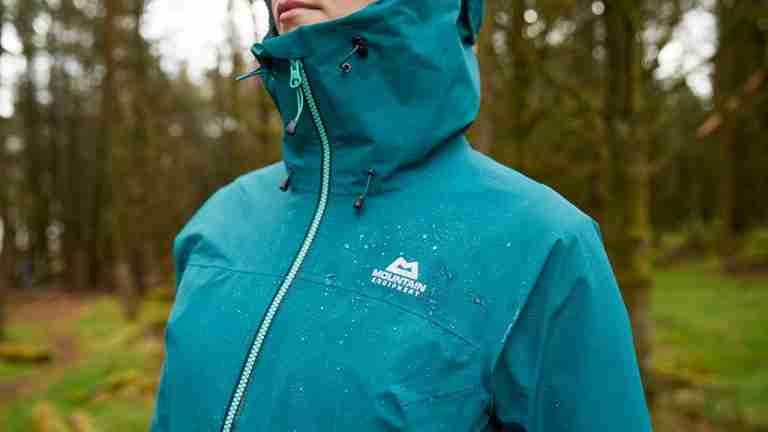
- Key Feature: Waterproof and Breathable. A good shell uses membranes (like Gore Tex or proprietary equivalents) that stop liquid water from getting in but allow water vapor (sweat) to escape. This prevents you from getting wet from the outside while also avoiding the humid, clammy feeling inside.
Items to Pack:
- Rain Jacket (Hardshell): Must be windproof and fully waterproof, not just water resistant. This is perhaps the single most important safety item to get right.
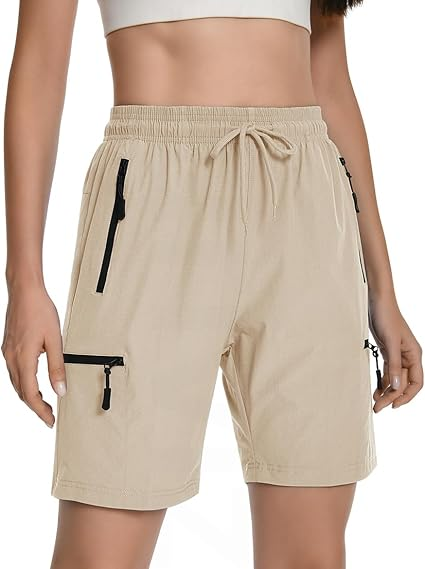
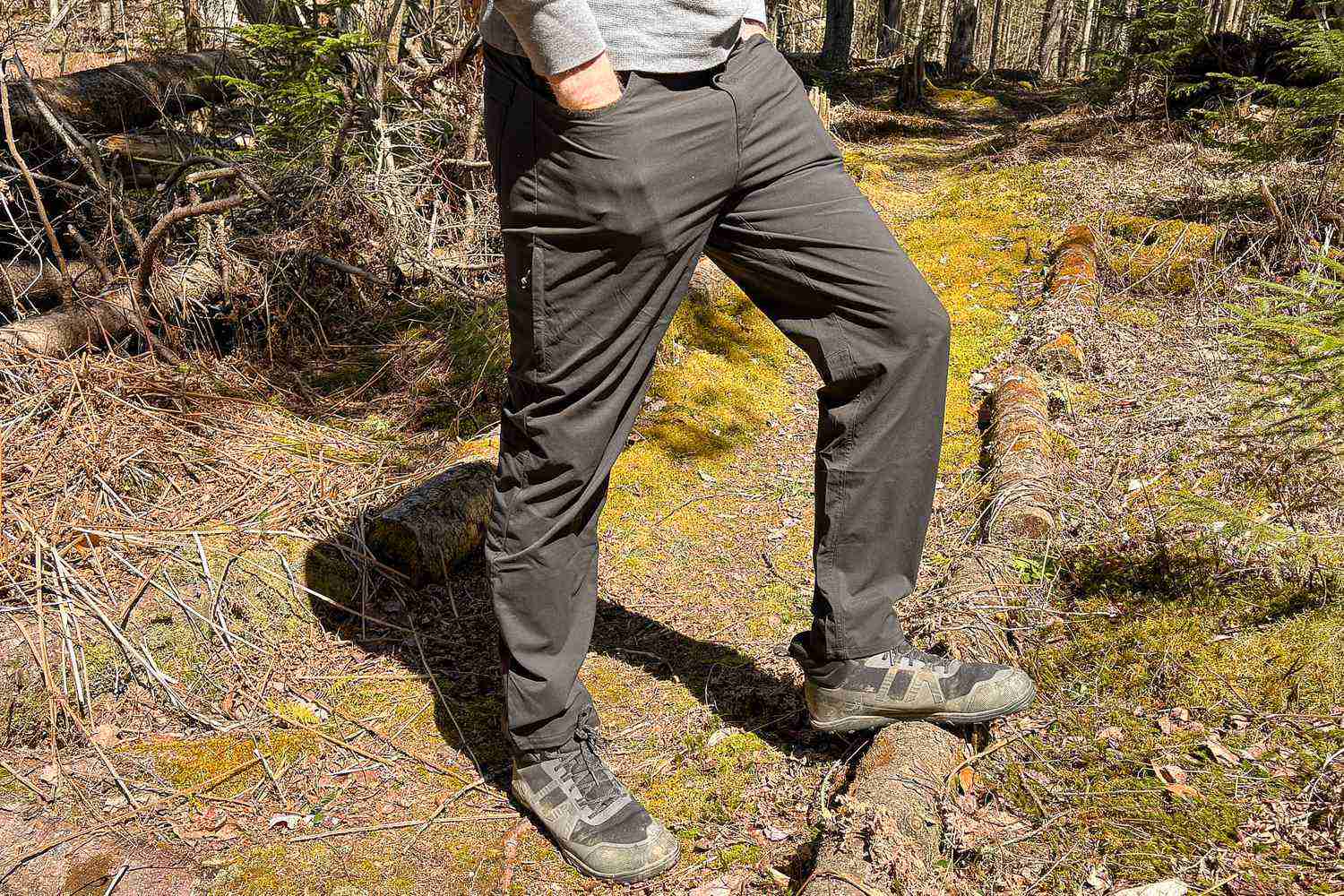
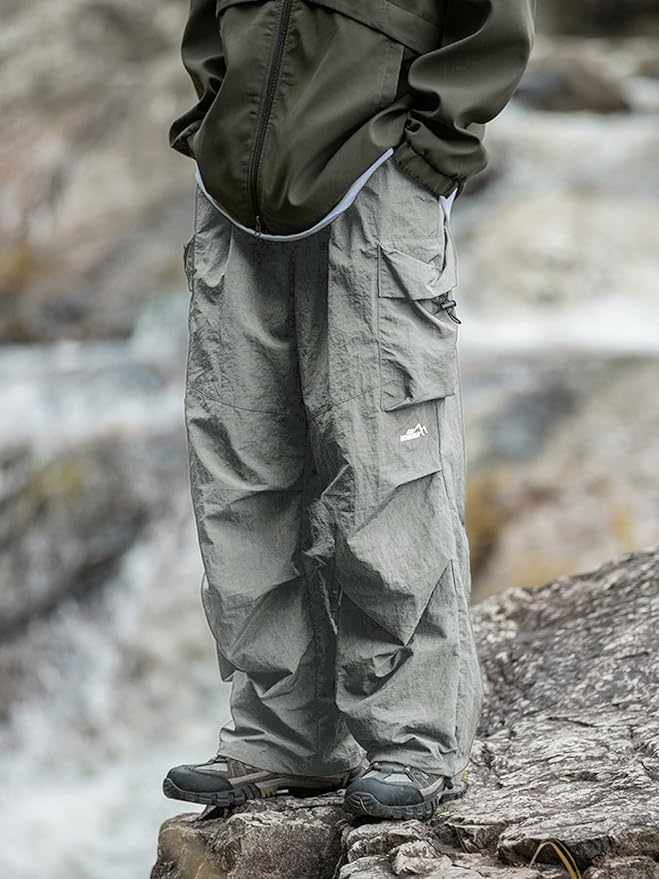
- Hiking Trousers: Lightweight, durable, and quick drying. Look for synthetics with a touch of elastane for stretch. Zip off convertible pants are an incredible choice for European hiking versatility, allowing you to transition from pants to shorts without carrying extra clothing.
- Rain Pants (Recommended): For areas known for sustained rain, such as the UK or Norway, a lightweight pair of waterproof over trousers is highly recommended.
Footwear: The Foundation of Your European Hike
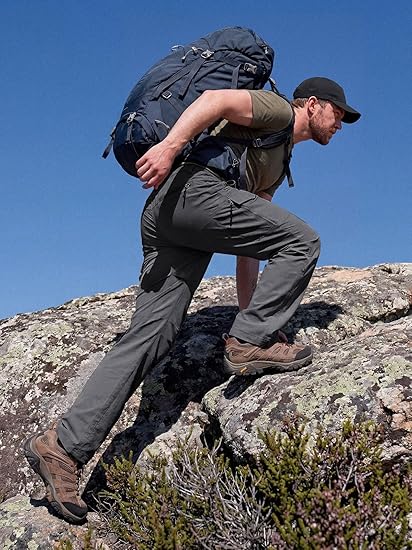
If your feet aren’t happy, your entire hike is ruined. Seriously. Your choice of footwear is perhaps the most critical decision you’ll make when preparing what to wear hiking in Europe. European trails are legendary for their varied terrain, from smooth cobblestone paths leading to alpine villages to jagged, scree covered mountain passes. Your footwear needs to provide stability, cushioning, and protection.
Hiking Boots vs. Trail Runners: Making the Right Call
Choosing between a traditional boot and a lighter shoe depends heavily on your trip’s specifics:
- Traditional Hiking Boots: These are the workhorses. They offer superior ankle support, which is crucial if you are carrying a heavy pack (say, for a multi day trek like the classic Tour du Mont Blanc). They generally feature stiffer soles for stability on rocky, uneven terrain, and better waterproofing for stream crossings or sustained rain. Choose these if your trails are rugged, steep, or if you have a history of ankle instability.
- Lightweight Hiking Shoes or Trail Runners: These have become incredibly popular for their comfort and speed. They are lighter, more flexible, and allow your feet to breathe, making them ideal for warm weather day hikes, well maintained paths, or for trekkers who prioritize speed and low weight (fastpacking). Just be aware they offer less protection and stability than a full boot.
Regardless of your choice, ensure your footwear has an aggressive, high traction outsole (like Vibram) to grip wet rocks and slick mud.
Check out the 8 Best Insulated Hiking Boots for Snow or 8 Best Waterproof Hiking Shoes for Women.
The Perfect Hiking Socks
Your socks are just as important as your boots. Never, ever skimp here.
- Material: Just like your base layer, stick exclusively to Merino wool or synthetic blends. They manage moisture far better than cotton, preventing hot spots and blisters.
- Fit: They should fit snugly without being tight, and must be tall enough to rise well above the cuff of your boot or shoe to prevent chafing.
- Blister Prevention: Bring a thin, synthetic liner sock to wear under your main hiking sock if you are blister prone.
Critical Tip: Absolutely, positively break in your hiking footwear before you step onto the European trails. Do not wait until your first day on the Italian Dolomites to test out brand new shoes!
Essential Hiking Accessories & Safety Gear
Packing the right accessories will dramatically improve your comfort and safety. When determining what to wear hiking in Europe, remember that these smaller items often make the biggest difference when conditions suddenly change.
Head, Hands, and Neck Protection
These areas are critical for temperature regulation. You lose a significant amount of heat through your head, and your hands are vulnerable to cold and sun.
- Warm Hat / Beanie: A lightweight wool or fleece hat is mandatory, even in summer, when you are hiking in the mountains. Throw it on during breaks or when setting up camp; it’s the fastest way to warm up.
- Sun Hat / Cap: Essential for open, exposed trails. A wide brimmed hat offers the best protection for your face and neck from intense Mediterranean or high altitude sun.
- Gloves: Lightweight fleece or wool gloves pack down to nothing and are invaluable on cold, windy mornings or at altitude.
- Neck Gaiter / Buff: This small tube of fabric is incredibly versatile. Use it as a scarf, headband, face mask, or even a pillowcase. It provides excellent sun and dust protection.
Eye Protection
- Sunglasses: High quality sunglasses with 100% UV protection are non negotiable, particularly when hiking near snow or ice, where glare is intense and can cause snow blindness.
Gear for Comfort and Safety
- Hiking Poles: If you are tackling steep ascents or descents, poles save wear and tear on your knees and provide stability on slippery ground. Look for lightweight, collapsible models.
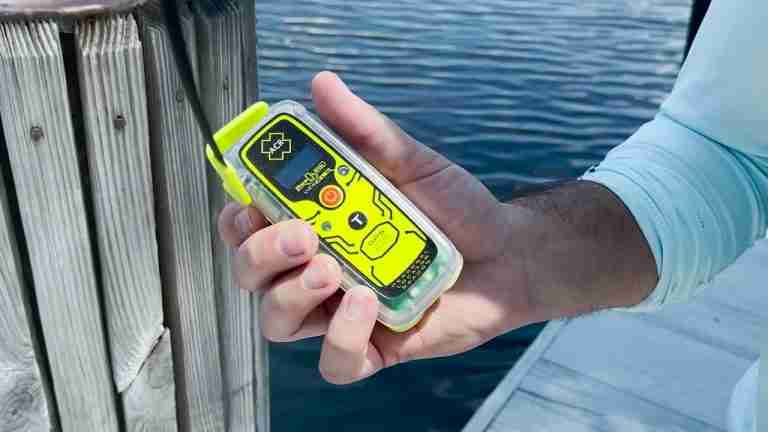
- First Aid Kit: A small, specialized hiking kit with basics, including pain relievers, antiseptic wipes, and, most importantly, a substantial stock of blister care items (moleskin, medical tape).
- Daypack: For day hikes, a comfortable, well fitting 20 to 30 liter pack is perfect. Look for one with good ventilation and external mesh pockets for easy access to water. Crucially, ensure your pack has a rain cover included or buy one separately.
Seasonal & Regional Packing Adjustments (Quick Reference Guide)
The advice on what to wear hiking in Europe must be adaptable. Use this guide to fine tune your packing list based on the specifics of your upcoming adventure.
| Region / Season | Primary Climate Challenge | Footwear Advice | Mid Layer Focus | Outer Layer Focus | Must Pack Item |
| Summer (Alps / High Mountains) | Sudden storms, altitude exposure | Sturdy Waterproof Boots (Ankle Support) | Light Fleece PLUS Packable Puffy | High Quality Hardshell Jacket | Sunscreen, Lip Balm (High SPF) |
| Summer (Coastal / Lowland) | Intense Sun, Heat, Humidity | Ventilated Trail Runners | Light Windbreaker (Only) | Light Rain Shell (Emergency Use) | UV Protective Shirt (Light Color) |
| Spring/Autumn (Shoulder Season) | Unpredictable cold, heavy rain | Waterproof Boots (Mid Height) | Heavy Fleece OR Lightweight Down Jacket | Full Waterproof/Windproof Shell | Warm Hat, Gloves, and Neck Gaiter |
| Winter (Lowland Trails / Easy Snow) | Cold, potential ice, reduced daylight | Insulated, Waterproof Boots | Heavy Puffy Jacket and Fleece | Durable Shell Pants and Jacket | Microspikes or Trax (for ice safety) |
| Scandinavian / Scotland | Persistent wind, dampness, cold rain | High Ankle Waterproof Boots | Heavy Wool or Synthetic Insulation | Absolute Best Waterproof Hardshell | Extra Pairs of Wool Socks |
Final Expert Thought: The Power of Versatility
When packing for your European hiking adventure, every item should earn its space in your backpack. By focusing on the three layer system and choosing versatile, quick drying, and lightweight synthetic or merino wool fabrics, you can drastically reduce bulk while maximizing your comfort and safety.
Remember, the goal is not to bring the heaviest jacket, but the right jacket, one that you can easily pack down into your daypack until you truly need it. Being smart about what to wear hiking in Europe means you spend less time worrying about the weather and more time soaking in the incredible history, culture, and natural beauty that these legendary trails have to offer.
Happy trails!