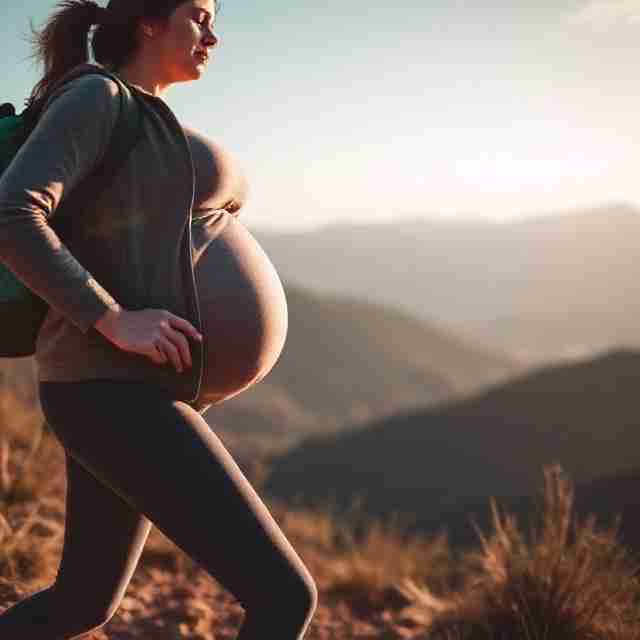
Imagine this: crisp morning air, birdsong in the trees, and the gentle rhythm of your feet on a forest trail. Now imagine experiencing all of that while growing a new life inside you. Sounds magical, right?
If you’re pregnant and wondering whether hiking is still on the table, the short answer is yes. Hiking while pregnant can be a safe, enjoyable way to stay active, connect with nature, and support your physical and emotional well-being. Of course, it’s not about scaling mountains or pushing limits, it’s about moving mindfully, staying comfortable, and embracing the outdoors in a way that feels good for you.
Doctors and fitness experts agree that regular movement during pregnancy is important. Hiking offers a low-impact way to get your heart rate up, strengthen muscles, and boost your mood. With the right gear, trail choices, and a few smart precautions, you can keep hiking through most of your pregnancy.
In this guide, we’ll walk through the benefits, safety tips, gear recommendations, and trimester-specific advice to help you hike with confidence. Whether you’re a seasoned trekker or just starting out, you’ll find practical insights to make your journey both safe and joyful.
The Benefits of Hiking During Pregnancy
Hiking isn’t just about exercise, it’s about feeling alive, grounded, and connected. For pregnant women, it offers a unique blend of physical and emotional benefits that go far beyond the trail.
Physical Benefits
- Improved cardiovascular health: Gentle uphill walking gets your heart pumping without putting too much strain on your joints.
- Better circulation: Movement helps reduce swelling in the legs and feet, a common pregnancy complaint.
- Strength and endurance: Hiking builds leg and core muscles, which can help support your growing belly and prepare you for labor.
- Balance and coordination: Navigating uneven terrain helps maintain stability and body awareness.
According to prenatal fitness experts, staying active during pregnancy can reduce the risk of gestational diabetes, improve sleep, and even shorten labor time.
Emotional and Mental Benefits
- Stress relief: Nature has a calming effect. Just being outside can lower cortisol levels and ease anxiety.
- Mood boost: Physical activity releases endorphins, which help fight pregnancy-related mood swings.
- Mindfulness: Hiking encourages you to slow down, breathe deeply, and be present in the moment.
- Connection: Whether you hike solo, with a partner, or in a group, it’s a chance to bond and share experiences.
Pregnancy can feel overwhelming at times. Hiking offers a peaceful escape, a way to recharge and feel empowered.
Quick Facts About Hiking While Pregnant
| Benefit | Why It Matters During Pregnancy |
|---|---|
| Cardiovascular Health | Supports heart function and stamina |
| Muscle Strength | Eases back pain and supports posture |
| Mental Clarity | Reduces anxiety and improves mood |
| Circulation | Helps reduce swelling in feet and legs |
| Sleep Quality | Promotes deeper, more restful sleep |
| Labor Preparation | Builds endurance and body awareness |
Sources: FirstCry Parenting, Being The Parent
Safety Guidelines for Pregnant Hikers
When you’re hiking during pregnancy, safety isn’t about fear, it’s about being smart and tuned in to your body. You don’t need to give up the trail, but you do need to adjust how you approach it.
Choose the Right Trails
Stick to well-marked, moderate trails with gentle inclines. Avoid steep climbs, rocky paths, or remote areas unless you’re very experienced and have a hiking buddy. Trails with shaded areas and access to rest stops or benches are ideal.
If you’re hiking in your third trimester, shorter loops or nature walks may be more comfortable than long treks. The goal is to enjoy the journey, not conquer it.
Stay Hydrated and Nourished
Pregnancy increases your fluid needs, especially when you’re active. Bring plenty of water, more than you think you’ll need, and sip regularly. Pack snacks that are easy to digest and rich in energy, like trail mix, fruit, or granola bars.
Avoid hiking during the hottest part of the day. Early mornings or late afternoons are cooler and more peaceful.
Listen to Your Body
Your body is doing incredible work, and it will tell you what it needs. If you feel dizzy, short of breath, overheated, or just “off,” stop and rest. Don’t push through discomfort. It’s okay to turn back early or skip a hike altogether.
Use the “talk test” to gauge intensity: if you can carry on a conversation without gasping for air, you’re likely in a safe zone.
Hike With a Buddy
Solo hikes can be peaceful, but during pregnancy, it’s best to hike with someone, especially on longer or unfamiliar trails. A partner can help if you need support, carry extra gear, and make the experience more fun.
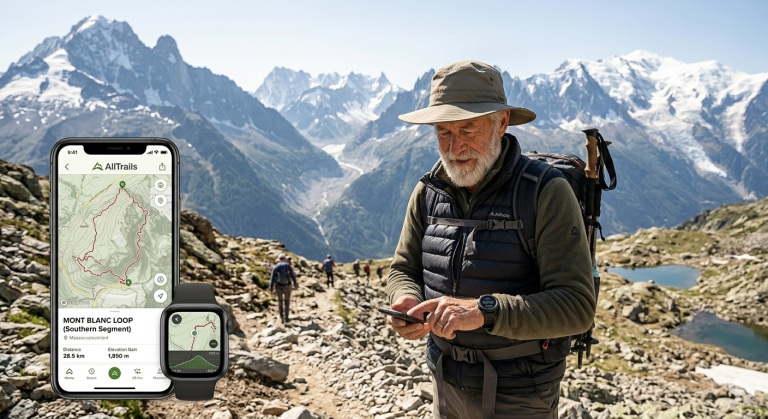
If you do hike alone, let someone know your route and expected return time. Carry a fully charged phone and consider a GPS tracker or hiking app.
Essential Gear and Clothing for Pregnant Hikers
Comfort is key when hiking while pregnant. The right gear can make all the difference between a joyful walk and a frustrating slog.
Footwear That Supports You
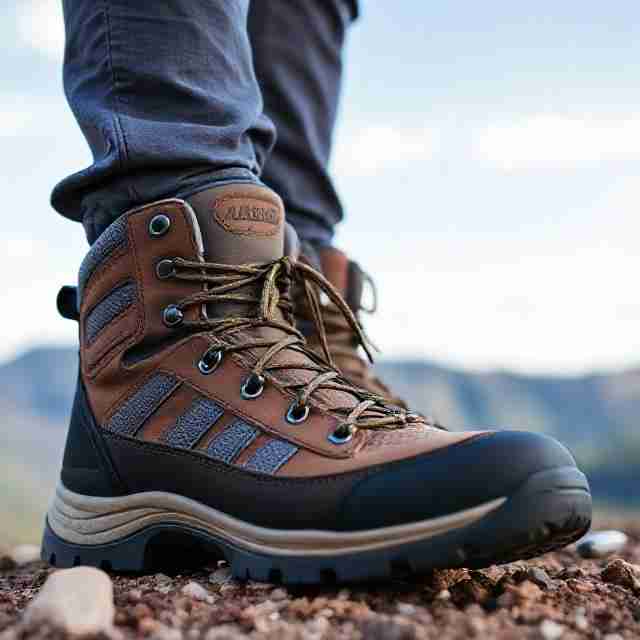
Your feet may swell during pregnancy, so choose hiking shoes or boots with extra room, good arch support, and solid traction. Avoid breaking in new shoes on the trail, wear something familiar and reliable.
Clothing That Breathes and Moves
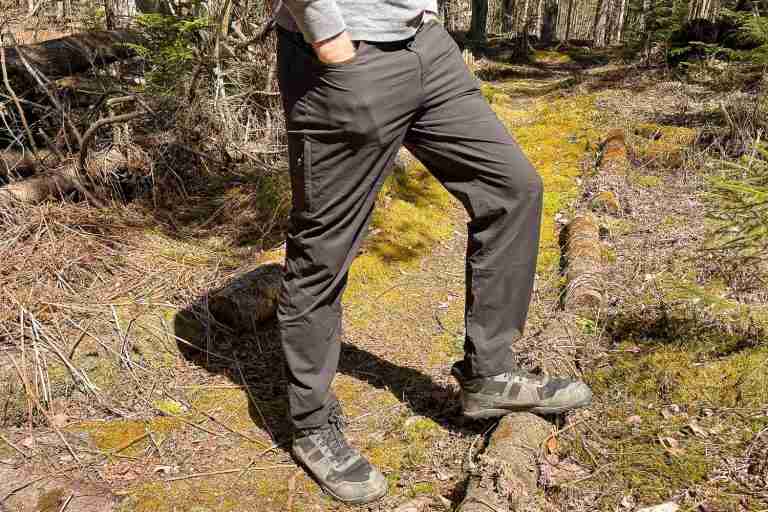
Layering is your best friend. Start with a moisture-wicking base layer, add a breathable top, and finish with a light jacket if needed. Maternity leggings or pants with a stretchy waistband will keep you comfortable as your belly grows.
Look for clothes that allow freedom of movement and don’t pinch or ride up. A belly band can help support your bump and reduce back strain.
Helpful Add-Ons
- Trekking poles: Great for balance and reducing pressure on knees and hips.
- Hydration pack: Easier than carrying bottles and keeps your hands free.
- Sun protection: A wide-brimmed hat, sunglasses, and mineral sunscreen are must-haves.
- Bug spray: Choose pregnancy-safe options to keep mosquitoes and ticks away.
Pack Smart
Keep your backpack light and organized. Essentials include water, snacks, a small first-aid kit, phone, map, and a change of socks. If you’re hiking in cooler weather, toss in gloves and a scarf.
Trimester-Specific Hiking Tips
Pregnancy isn’t one-size-fits-all, and neither is hiking during pregnancy. Your body changes with each trimester, and your hiking routine should change with it. Here’s how to adapt your hikes to stay safe and comfortable throughout the journey.
First Trimester: Ease Into It
The first trimester can be a rollercoaster. Fatigue, nausea, and hormonal shifts might make hiking feel harder than usual. That’s okay.
- Stick to shorter hikes and familiar trails.
- Carry snacks to help with nausea and blood sugar dips.
- Take breaks often and don’t worry about pace.
- Wear layers, your body temperature may fluctuate more than usual.
If you’re already a regular hiker, you might be able to maintain your routine with slight adjustments. If you’re new to hiking, start slow and build up gradually.
Second Trimester: Enjoy the Energy Boost
Many women feel more energetic and stable in the second trimester. This is often the best time to hike.
- Try moderate trails with gentle elevation.
- Use trekking poles to support your growing belly and improve balance.
- Stay hydrated and wear breathable clothing.
- Don’t forget sunscreen, pregnancy can make your skin more sensitive.
Your center of gravity is shifting, so be mindful of footing. Avoid slippery or uneven terrain, and always hike with a buddy if possible.
Third Trimester: Keep It Gentle
By the third trimester, your belly is front and center, and so is your need for comfort.
- Choose flat, easy trails or nature walks.
- Focus on shorter hikes with plenty of rest stops.
- Use a belly support band to reduce strain on your back.
- Bring extra water and snacks, and take frequent breaks.
You may feel slower, and that’s perfectly normal. The goal isn’t distance, it’s movement, fresh air, and feeling good.
Emotional and Mental Benefits of Hiking While Pregnant
Pregnancy is a time of transformation, and hiking can be a powerful way to stay grounded through it all. Beyond the physical perks, hiking offers emotional and mental benefits that are just as important.
Stress Relief and Mental Clarity
Nature has a way of quieting the noise. The rhythm of walking, the sound of leaves, the open sky, it all helps calm your mind. Studies show that spending time outdoors can lower stress hormones and improve mood.
Pregnancy can bring anxiety, especially for first-time moms. Hiking gives you space to breathe, reflect, and reconnect with yourself.
Connection and Bonding
Hiking with a partner or friend can deepen your relationships. It’s a chance to talk, laugh, and share the experience. Some couples use hiking as a way to bond before the baby arrives.
Even solo hikes can be meaningful. Many women find that walking alone in nature helps them feel more connected to their baby and their changing body.
Mindfulness and Reflection
Pregnancy is full of milestones. Hiking gives you time to reflect on them. Some women bring journals to jot down thoughts or take photos to document their journey.
You might notice how your body feels different from week to week. That awareness is a gift, it helps you stay present and appreciate the moment.
Real Stories and Testimonials
Sometimes the best encouragement comes from hearing how others have done it. Many women have found hiking during pregnancy to be not only safe but deeply rewarding. Here are a few real-life reflections that might inspire you to lace up your boots.
“It Helped Me Feel Like Myself Again”
“During my second trimester, I started feeling more like myself. Hiking gave me a sense of normalcy and control. I wasn’t just a pregnant person, I was still me, doing something I loved.” — Lara, 32, Colorado
For many women, hiking becomes a way to reclaim their identity during a time of big changes. It’s a reminder that you’re still strong, capable, and adventurous.
“Nature Was My Therapy”
“I had a lot of anxiety during my first pregnancy. Getting outside, even for a short walk in the woods, helped me breathe easier, literally and emotionally.” — Amina, 29, Oregon
The calming effect of nature is real. Studies show that spending time outdoors can reduce stress, improve focus, and even lower blood pressure.
“It Prepared Me for Labor”
“I honestly think hiking helped me build the endurance I needed for childbirth. It wasn’t about pushing hard, it was about staying consistent and learning to breathe through discomfort.” — Rachel, 35, Vermont
The physical and mental resilience you build on the trail can carry over into labor and postpartum recovery. It’s not just exercise, it’s preparation.
When to Stop or Modify Hiking
Even with all the benefits, there are times when it’s best to pause or adjust your hiking routine. Pregnancy is dynamic, and what feels great one week might feel too much the next.
Know the Warning Signs
Stop hiking and contact your healthcare provider if you experience:
- Dizziness or lightheadedness
- Vaginal bleeding or fluid leakage
- Regular contractions or cramping
- Shortness of breath before exertion
- Chest pain or rapid heartbeat
- Swelling in the face, hands, or legs
- Decreased fetal movement (in later stages)
These could be signs of complications that need medical attention. It’s always better to be cautious.
Modify Instead of Quit
If hiking starts to feel uncomfortable, you don’t have to give it up completely. Try:
- Shorter, flatter trails
- More frequent breaks
- Slower pace
- Walking in parks or botanical gardens instead of rugged trails
You can also switch to other low-impact activities like prenatal yoga, swimming, or stationary biking. The goal is to keep moving in a way that feels good and safe.
Final Thoughts — Embrace the Journey, One Step at a Time
Pregnancy is a journey, and hiking can be a beautiful part of it. Whether you’re walking through quiet woods, strolling along a sunny path, or simply enjoying fresh air in your local park, hiking while pregnant is about more than fitness. It’s about connection. To your body. To your baby. To the world around you.
You don’t need to be an expert hiker or have fancy gear. You just need curiosity, a bit of preparation, and a willingness to listen to what feels right. Some days you’ll feel strong and energized. Other days, rest might be the better choice. Both are valid. Both are part of the experience.
So lace up your shoes, pack a few snacks, and step outside. Let nature hold space for you. Let movement remind you of your strength. And let every hike, no matter how short, be a celebration of this incredible chapter in your life.
You’ve got this. One step at a time.