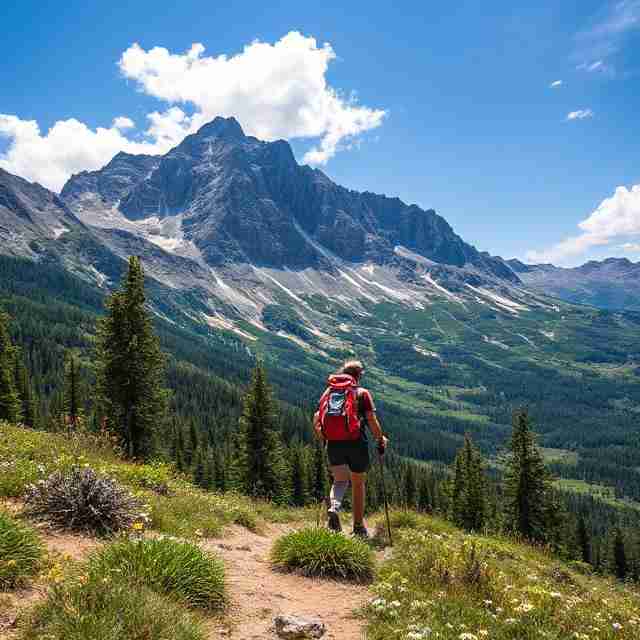
Imagine you’re halfway up a sun-drenched trail, the views are opening up, but you’re completely soaked in sweat. Your cotton t-shirt is clinging to you like a wet paper towel, and every step is accompanied by the uncomfortable chafe of damp fabric. What should feel invigorating just feel, miserable.
Sound familiar? I’ve been there, and I can tell you with absolute certainty that the difference between a grueling slog and an amazing summer adventure almost always comes down to your clothing. The right summer hiking clothes are not a luxury; they’re your first piece of essential gear. They manage your sweat, protect you from the sun, and keep you comfortable so you can focus on the beauty around you, not your discomfort.
In this guide, we’ll break down exactly what to wear, piece by piece. We’ll move beyond simple lists and explain the why behind each choice, empowering you to build a hiking wardrobe that lets you conquer the heat with confidence.
The Golden Rule: Why Cotton is Your Worst Enemy on the Trail
If you remember only one thing from this guide, let it be this: do not wear cotton hiking.
You might be wondering, what’s the big deal? It’s soft, it’s cheap, and it’s what we wear every day. On the trail, however, cotton’s beloved qualities become serious liabilities. We often call it “cotton is rotten” for a reason.
Here’s the simple science: cotton is a sponge. It eagerly absorbs your sweat and holds onto it, trapping the moisture right against your skin. Instead of drying quickly, a cotton t-shirt or pair of jeans will stay wet for the entire hike.
This leads to a cascade of problems:
- Chafing and Discomfort: Wet fabric rubbing against your skin is a one-way ticket to painful chafing, especially in areas like the inner thighs and underarms.
- Inefficient Cooling: Your body cools itself through sweat evaporation. When your clothes are soaked and can’t dry, this process slows down dramatically, making you feel hotter and causing you to sweat even more.
- A Safety Risk: If the weather changes, a common occurrence in the mountains, or a cool wind picks up, that wet cotton against your skin can rapidly sap your body heat. This can lead to a dangerous drop in core body temperature, even in summer, a condition known as hypothermia.
So, what’s the alternative? The answer lies in technical fabrics designed for performance. We’re talking about materials that wick moisture, pulling sweat away from your skin to the outer surface of the fabric where it can evaporate quickly. This keeps you drier, cooler, and infinitely more comfortable.
To make it easy, here’s a quick breakdown of the fabrics you should live in and the one you should avoid.
Hiking Fabric Fact Sheet
| Fabric Type | Key Properties | Why It’s Great for Hiking | The Bottom Line |
|---|---|---|---|
| Cotton | Absorbent, slow-drying, soft. | It’s not. Avoid it on the trail. | Leave it at home. |
| Synthetics (Polyester/Nylon) | Excellent moisture-wicking, very durable, quick-drying, affordable. | Manages sweat superbly, stands up to rough trails and pack straps. | The workhorse of hiking clothing. Reliable and accessible. |
| Merino Wool | Naturally moisture-wicking, temperature-regulating, odor-resistant. | Keeps you comfortable in a range of temps, won’t get stinky after one day. | The premium choice for comfort, especially on multi-day trips. |
| Nylon-Spandex Blends | Durable, stretchy, offers great freedom of movement. | Common in hiking pants and shorts; moves with you on scrambles. | Ideal for bottoms where mobility is key. |
Sources: Data synthesized from textile industry standards and outdoor apparel testing, including insights from the American Hiking Society and Outdoor Industry Association.
Building Your Head-to-Toe Summer Hiking System
Now for the fun part: building your perfect summer hiking outfit. Think of it as a system where every piece has a specific job. Let’s start from the skin out.
Your Base Layer: The Second Skin
Your base layer is your foundation. It’s in direct contact with your skin, and its only job is to manage moisture.
- What to Look For: A lightweight, moisture-wicking tank top, t-shirt, or long sleeve top. The fit should be snug but not tight, like a second skin.
- Material Matters: This is where you’ll put our fabric knowledge to work.
- Synthetics are a fantastic, budget-friendly choice. They wick sweat brilliantly and dry in a flash.
- Merino Wool is a game-changer. Yes, wool in the summer! It’s not the itchy sweater your grandma knit. Modern merino is incredibly soft, wicks moisture like a champ, and has the magical ability to regulate your temperature. Best of all, its natural antimicrobial properties mean it doesn’t hold onto odor. You can wear it for multiple days on a backpacking trip, and it will still feel fresh.
Your Hiking Shirt: Your Shield from the Sun
This is where we tackle the great debate: sleeves or no sleeves?
While a tank top might feel cooler at the trailhead, I am a strong advocate for long-sleeve sun shirts or hoodies for most summer hiking. The protection they offer is simply unmatched.
- Sun Protection: A long-sleeve shirt with a UPF (Ultraviolet Protection Factor) rating acts as a permanent layer of sunscreen. You won’t miss a spot, and you never have to reapply. Look for UPF 30 to 50+.
- Bug and Scratch Protection: Those sleeves also keep mosquitoes and ticks from finding a easy meal and protect your arms from brushing against thorny plants.
- Staying Cool: This is the counterintuitive part. A good sun shirt is made of a lightweight, breathable fabric that actually helps you stay cool by blocking the sun’s direct rays from heating your skin. Many feature mesh panels under the arms for extra ventilation.
If you absolutely prefer a short-sleeve shirt, that’s okay. Just make sure it’s a moisture-wicking one, and pair it with a high-SPF sunscreen that you’re diligent about reapplying.
Your Hiking Bottoms: Shorts vs. Pants
The choice between hiking shorts and pants is a personal one, often dictated by the trail itself.
- Hiking Shorts: Ideal for well-maintained trails on a hot day. They offer maximum breathability and freedom. Look for pairs made from quick-dry fabric with a gusseted crotch (a diamond-shaped piece of fabric sewn in) for unrestricted movement. Secure pockets with zippers are a huge bonus for keeping your keys and phone safe.
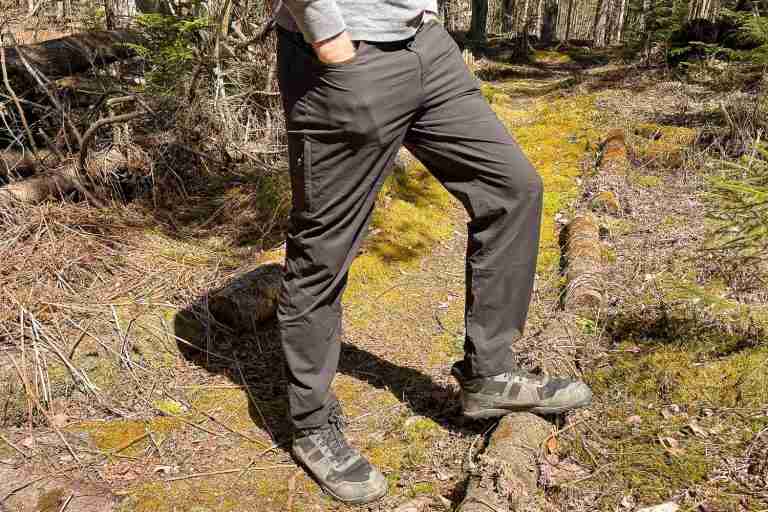
- Hiking Pants / Convertibles: For trails that are overgrown, tick-heavy, or scratchy with brush, pants are the wiser choice. They provide full protection for your legs. The king of versatility is the convertible pant, with zip-off legs that let you switch between pants and shorts as conditions change. Modern hiking pants are nothing like the heavy canvas of old; they’re lightweight, stretchy, and often feature UPF sun protection.
Footwear: The Foundation of It All
Your feet are your vehicle, so treat them right. The right hiking shoes and socks make all the difference.
- Shoes vs. Trail Runners:
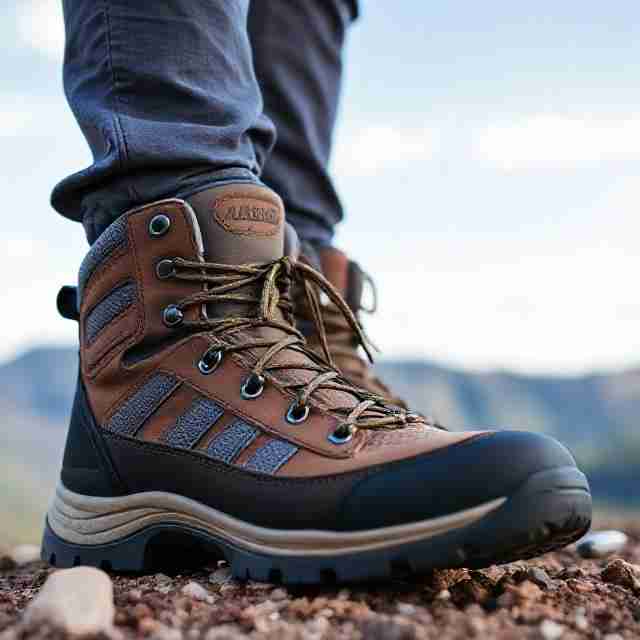
- Hiking Shoes (mid-height or low) offer more support and durability. They’re great for rocky, uneven terrain or if you’re carrying a heavier pack.
- Trail Runners are lighter, more flexible, and generally more comfortable right out of the box. They drain and dry faster if you step in a stream and are perfect for well-groomed trails and fast-paced hikers.
- Socks: The Unsung Hero: Do not, I repeat, do not wear cotton socks. This is non-negotiable. A quality pair of hiking socks made from merino wool or a synthetic blend will wick moisture, provide cushioning where you need it, and dramatically reduce your risk of blisters. They are half of your footwear system, so invest in them.
The Essential Extras
- Headwear: A hat is crucial. A wide-brimmed hat offers the best protection for your face, neck, and ears, while a baseball cap is better for ventilation and works well when paired with a sun hoodie.
- Underwear: Don’t forget the base layer for your base layer! Opt for moisture-wicking, seamless underwear to prevent chafing in your most sensitive areas.
Don’t Get Caught Off Guard: The Summer “Just-In-Case” Layers
Summer weather in the mountains can be fickle. A bright, sunny morning can turn into a windy, rainy afternoon in the blink of an eye. Being prepared isn’t about being paranoid; it’s about being smart. That’s why you always need to pack a couple of key layers, even on a bluebird day.
The Rain Jacket: Your Portable Shelter
A reliable rain jacket is the most important piece of emergency gear you can carry. It doesn’t need to be a heavy, burly winter shell. For summer, you want a lightweight, packable jacket that can stow away in the bottom of your daypack without adding much weight or bulk.
Its job is twofold:
- To keep you dry during a sudden summer downpour.
- To act as a windbreaker. At the top of a windy ridge or if a cool front rolls in, that thin layer of protection can be the difference between comfort and hypothermia.
Look for a jacket that is both waterproof and breathable. “Breathable” means it will allow your sweat vapor to escape, so you don’t end up wet from the inside out.
The Insulating Layer: Your Warmth Insurance
You might not think you need insulation in the summer, but trust me, you do. When you stop for lunch at a scenic overlook, the combination of sweat and a cool breeze can leave you shivering. That’s where a light insulating layer comes in.
Your best options are:
- A lightweight fleece jacket or pullover. Fleece is fantastic because it provides warmth even when damp and is highly breathable.
- A synthetic insulated jacket or vest. These are incredibly packable and provide excellent warmth for their weight.
The key is to choose something that compresses down small. This is your “belay jacket” for a summit break or your emergency layer if you have to move slower due to an injury. Stash it in your pack, and you’ll be thankful you have it when you need it.
Of course. Here are the final two sections of the article, written in the same engaging, expert, and human tone.
Your Pre-Hike Action Plan: Dressing Smart from the Start
By now, you have a solid understanding of each piece of the puzzle. Let’s bring it all together into a simple, practical strategy you can use for every summer hike. The goal is to walk out of your house feeling confident and prepared, not overloaded.
First, a quick-check wardrobe checklist:
- Base Layer: Moisture-wicking top (and bottom, if preferred).
- Hiking Shirt: Long-sleeve sun shirt or a short-sleeve technical tee.
- Hiking Bottoms: Shorts, pants, or convertibles suited to the trail.
- Socks: Merino wool or synthetic hiking socks (no cotton!).
- Footwear: Broken-in hiking shoes or trail runners.
- Headwear: Wide-brimmed hat or cap.
- In Your Pack: Lightweight rain jacket and a fleece or puffy jacket.
With your gear gathered, here’s your pre-hike strategy:
1. Check the Weather, But Pack for it to be Wrong.
Always take a look at the forecast for the trailhead and the summit if you can. But remember, weather in the wild is unpredictable. Your packed layers are your insurance policy against a forecast that’s a few degrees off or a surprise thunderstorm.
2. Dress a Little Cool at the Trailhead.
You should feel slightly cool when you first step out of the car. Within the first ten minutes of hiking, your body will heat up significantly. If you’re perfectly comfortable at the start, you’ll be sweltering and sweating buckets soon after. This is a key pro-tip for managing your body temperature from the get-go.
3. Listen to Your Body and Adjust.
Hiking isn’t a set-it-and-forget-it activity. Be prepared to adjust your layers as you go. Climbing a steep, sun-exposed slope? You might just be in your base layer. Taking a break in a shady, breezy spot? Throw on that fleece. The ability to easily add or remove layers is the superpower of a well-planned system.
4. Don’t Forget the Other Essentials.
Your summer hiking clothes are a core part of your kit, but they work alongside other vital gear. Always carry plenty of water (more than you think you’ll need), navigation like a map and compass or a fully charged phone with a GPS app, and a well-fitting daypack to hold it all. A great outfit can’t compensate for dehydration or getting lost.
Final Thought: It’s About the Journey, Not the Struggle
I’ll leave you with this thought. Investing in the right summer hiking clothes isn’t about buying the most expensive gear or looking a certain way. It’s about removing barriers between you and the experience you came for.
It’s about feeling the cool breeze on your skin instead of the clammy grip of a cotton shirt. It’s about marveling at a vast mountain vista without being distracted by a sunburn on your neck. It’s about the confidence to push a little farther up the trail because you know you’re prepared for a change in the weather.
The trail itself provides the challenge and the reward. Your job is to show up prepared, so you can fully enjoy both. Now that you know what to wear, you’re ready to step out the door feeling cool, comfortable, and ready for adventure. I’ll see you out there.