Imagine you’re halfway up a mountain trail, the morning air crisp against your skin. Your backpack feels heavier with every step, and every time you need your map, snacks, or phone, you have to stop and dig around for them. Now imagine the same trail, but this time your essentials are within easy reach, tucked into a lightweight vest that keeps your hands free and your load evenly balanced. That’s the quiet magic of a hiking vest.
So, what exactly is a hiking vest, and why is it becoming an essential piece of outdoor gear?
A hiking vest is a sleeveless, multi-pocketed piece of clothing designed for hikers who want comfort, easy access to gear, and freedom of movement. Unlike backpacks that put all the weight on your shoulders, a hiking vest spreads it out evenly across your torso. The result is less fatigue, better posture, and a smoother hiking experience.
Many hikers find that switching from a traditional backpack to a vest-style setup completely changes their trail comfort. It’s one of those small gear upgrades that makes a big difference. Whether you’re hiking in the cool forests of Oregon or climbing rocky trails in Colorado, the right hiking vest keeps you organized, light, and moving naturally.
This guide dives deep into what makes hiking vests so useful, the benefits they offer, and how to choose one that fits your style and needs. We’ll also look at expert-approved models and practical advice to help you get the most out of your hikes.
What Is a Hiking Vest and What Makes It Different?
A hiking vest may look simple, but it’s actually one of the most intelligently designed pieces of outdoor gear. It’s crafted to give hikers a balance of mobility, comfort, and accessibility. The vest typically comes with multiple pockets, made of lightweight and breathable materials like nylon, mesh, or polyester. The best ones include adjustable straps and zippers that make it easy to layer over or under other clothing.
Unlike a casual vest, a hiking vest is built for performance. It’s not about fashion, it’s about function. Regular vests are usually meant for warmth or layering, but hiking vests are designed to carry your essentials: your compass, snacks, sunscreen, power bank, first-aid kit, and sometimes even hydration packs.
Some hikers describe them as “wearable backpacks,” and that’s a fair description. But while backpacks often shift weight to your shoulders and back, hiking vests distribute it more evenly across your chest and torso. This means less back strain on long treks and easier balance on uneven ground.
Below is a quick comparison showing the key differences between a hiking vest, a regular vest, and a backpack:
Gear Comparison Table
| Feature | Hiking Vest | Regular Vest | Hiking Backpack |
|---|---|---|---|
| Purpose | Designed for carrying hiking essentials comfortably | Primarily for warmth or style | Designed for carrying heavy gear and water |
| Weight Distribution | Balanced across chest and torso | Minimal | Concentrated on shoulders and back |
| Storage Pockets | Multiple easy-access pockets | Few or none | One large compartment, limited quick access |
| Breathability | High (mesh or lightweight fabric) | Medium to low | Depends on design; often less breathable |
| Mobility | Excellent freedom of movement | Good | Can restrict movement on steep trails |
| Best For | Day hikes, trail runs, light packing | Urban wear, mild weather | Long hikes, camping, multi-day treks |
(Data compiled from Outdoor Gear Lab and REI Expert Advice, 2024)
In short, a hiking vest bridges the gap between comfort and practicality. You get the quick access and lightweight feel of a vest combined with the utility of a small pack. That’s what makes it so valuable for both beginners and seasoned hikers.
Key Benefits of Wearing a Hiking Vest
If you’ve ever felt that a backpack makes your hike heavier than it should be, a hiking vest might be the upgrade you didn’t know you needed. It’s designed around one simple goal: to make hiking feel natural again. Let’s explore its main benefits.
1. Better Weight Distribution
When all your essentials are stored evenly across your torso, the pressure on your shoulders and back reduces dramatically. Many experienced hikers notice they can hike longer without fatigue. The even balance also improves posture and helps prevent back pain, a common issue with bulky packs (American Hiking Society, 2023).
2. Easy Access to Gear
No more stopping to unzip a backpack every five minutes. With a hiking vest, your gear is right in front of you. Whether it’s your map, energy bar, or phone, everything is within arm’s reach. This makes a huge difference on steep or slippery trails where stopping too often can break your rhythm.
3. Breathable and Lightweight
Most hiking vests are made with breathable mesh or softshell fabric. This design keeps your core cool even in warm climates. It’s especially helpful for summer hikes where heat and sweat can make a traditional backpack uncomfortable.
4. Freedom of Movement
Because the vest hugs your body closely, it moves with you instead of against you. That means climbing, stretching, or bending over feels natural. You’re not limited by straps or a bulky frame.
5. Organized Storage
A good hiking vest has multiple pockets designed for specific items, like one for snacks, one for electronics, and one for your water bottle. Some advanced models even have hydration sleeves for small bladders, letting you sip water without breaking pace.
6. Great for Short Hikes or Trail Runs
If you’re only going for a few hours, you don’t need a heavy backpack. A hiking vest is perfect for short day hikes, morning runs, or weekend trail walks. It holds just what you need, nothing more, nothing less.
In short, a hiking vest keeps you light, balanced, and focused. It turns a good hike into a great one by removing small discomforts that add up over time. Many experienced hikers say it’s one of those upgrades you never go back from once you try it.
Features to Look for in the Best Hiking Vest
When you’re buying a hiking vest, it’s easy to get caught up in looks or brand names. But the best hiking vest isn’t the one that looks the coolest, it’s the one that fits your hiking style and keeps you comfortable from start to finish. Here’s what to focus on before you add one to your gear collection.
1. Comfortable Fit and Adjustability
A proper fit is everything. The vest should feel snug without being tight. You want freedom of movement, not a squeeze around your chest. Look for adjustable straps or elastic side panels. These make it easier to layer your vest over a light jacket in cooler weather or wear it on its own in summer.
2. Fabric and Breathability
The best hiking vests are made from lightweight, moisture-wicking materials like nylon, polyester, or mesh. These fabrics keep your body cool by letting air flow freely. Some premium options even use recycled or quick-dry materials that work great in humid climates.
If you’re hiking in wet or windy areas, consider one with a water-repellent or windproof coating.
3. Pockets and Storage Design
One of the biggest reasons people switch to hiking vests is for their pockets. But not all pockets are created equal. Look for:
- Zippered pockets for valuables like keys or phones
- Deep mesh pockets for snacks or gloves
- Chest pockets for quick-grab items
- Inner pouches for hydration or maps
A well-organized pocket system keeps your load balanced and prevents the annoying sway you sometimes get with backpacks.
4. Weight and Balance
The best hiking vest should feel like a natural extension of your body. Avoid vests that feel bulky or have uneven pocket placement. A lightweight vest with even weight distribution makes a huge difference when you’re several miles into a trail.
5. Hydration Compatibility
Many hiking vests now come with space for a hydration bladder or water bottle sleeves. This is perfect for longer treks or hot weather hikes. It saves you from stopping constantly and keeps you hydrated throughout your climb.
6. Durability and Weather Resistance
You want a vest that can handle rugged trails and changing weather. Double stitching, reinforced seams, and durable zippers are signs of quality. A weather-resistant vest will also give you peace of mind when the skies turn gray unexpectedly.
Quick Gear Tip (Fact Box)
| Feature | Ideal For | Why It Matters |
|---|---|---|
| Breathable mesh | Warm climates, summer hikes | Keeps you cool and dry |
| Water-resistant shell | Unpredictable weather | Protects gear from rain and wind |
| Multiple pockets | Long hikes, photographers | Improves organization and access |
| Hydration pouch | Trail running, endurance hikes | Easy on-the-go hydration |
| Adjustable fit | All body types | Ensures comfort and flexibility |
(Sources: REI Expert Gear Guide, 2024; Outdoor Gear Lab Reviews, 2024)
When choosing, remember this simple rule: comfort first, features second, brand last. A big logo won’t save you from shoulder strain, but a well-designed vest definitely will.
Different Types of Hiking Vests and Their Uses
Not all hiking vests are built the same way. Each type is designed for specific conditions and preferences. Knowing what’s out there helps you pick one that fits your hiking goals perfectly.
1. Lightweight Hiking Vests
These are the go-to choice for day hikers and summer trail lovers. Made with mesh or thin nylon, they keep your body cool and let you move freely. You can carry the basics, phone, snacks, sunscreen, and a small bottle of water, without feeling weighed down.
Best for: Warm weather hikes, short treks, and speed hiking.
Pro tip: Pair it with moisture-wicking base layers for ultimate comfort.
2. Insulated Hiking Vests
If you’re hiking in cooler weather or early mornings, insulated vests are your best friend. They’re designed to trap body heat while keeping your arms free. Some come with synthetic fill, while others use lightweight down for warmth without bulk.
Best for: Cold-weather hiking, mountain trails, or early spring treks.
Pro tip: Choose a model that layers easily under a windbreaker or rain jacket.
3. Hydration Vests
These are a favorite among trail runners and endurance hikers. Hydration vests come with a built-in water bladder or side bottle holders. They’re compact, snug-fitting, and designed for active movement. Think of them as a hybrid between a backpack and a performance vest.
Best for: Long-distance hikes, desert trails, and trail running.
Pro tip: Go for a model with secure pockets to prevent bouncing during runs.
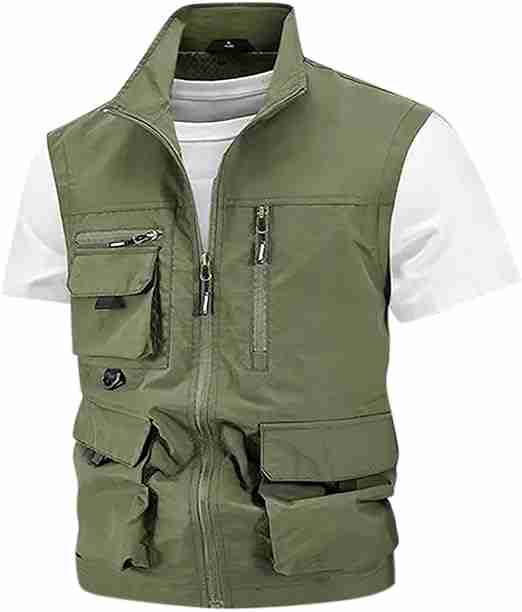
4. Tactical or Multipocket Vests
Tactical hiking vests are heavier but highly functional. They’re built for those who carry a lot, like photographers, field researchers, or guides. These vests come loaded with large pockets and gear loops, sometimes with room for small tools and GPS devices.
Best for: Adventure photographers, expedition guides, and survival enthusiasts.
Pro tip: Keep the load balanced, don’t fill every pocket just because you can.
5. Softshell and Weather-Resistant Vests
These are made from stretchy, weatherproof materials that protect you from wind and light rain. They offer more coverage and durability than mesh vests but remain lighter than jackets.
Best for: Cloudy, windy, or high-altitude conditions.
Pro tip: A softshell vest is perfect for hikers who often face shifting weather.
Types of Hiking Vests by Terrain and Climate
| Vest Type | Ideal Climate | Best Use | Notable Advantage |
|---|---|---|---|
| Lightweight | Warm & dry | Day hikes, fast trails | Maximum breathability |
| Insulated | Cold & dry | Winter or mountain hikes | Excellent warmth-to-weight ratio |
| Hydration | Hot & long trails | Trail running, endurance treks | Built-in hydration support |
| Tactical | Mixed terrains | Photography, guiding | Maximum storage |
| Softshell | Windy or rainy | Variable conditions | Weather protection |
(Data summarized from Backpacker Magazine Gear Review, 2024)
The right type of hiking vest depends on where, when, and how you hike. Some hikers even keep two, one for short trips and one for colder, gear-heavy adventures. Once you match your vest to your hiking style, every trail feels smoother and more enjoyable.
How to Choose the Right Hiking Vest for You
Choosing the perfect hiking vest isn’t just about color or price, it’s about fit, comfort, and functionality. Think of it like choosing your trail shoes; the best one feels like it was made for you. Here’s a step-by-step guide to make sure you pick the right one.
1. Identify Your Hiking Style
Are you a casual weekend hiker, a trail runner, or a backcountry explorer?
Your style determines your needs.
- Casual day hikers: Go for lightweight or softshell vests.
- Trail runners: Choose hydration vests for easy water access.
- Cold-weather hikers: Look for insulated or fleece-lined vests.
2. Match It to Your Climate
A vest that feels perfect in Arizona might be too warm for the Pacific Northwest. For hot or humid regions, pick mesh and breathable materials. For cold or wet climates, choose insulated or water-resistant fabrics.
3. Focus on Fit and Comfort
Try on different sizes if you can. Move your arms, bend down, or mimic climbing motions. The vest should stay in place without feeling tight. Adjustable straps can help fine-tune the fit for different layers underneath.
4. Check Storage and Layout
Count your pockets and test accessibility. Think about where you’d keep your phone, keys, snacks, and first aid kit. A balanced layout keeps weight even and prevents fatigue on longer hikes.
5. Consider Hydration Options
If you hike long distances or under the sun, hydration compatibility is a must. Many brands offer hydration sleeves that fit 1–2 liter bladders or bottle holsters on the front straps.
6. Compare Brands and Read Reviews
Brands like Arc’teryx, Patagonia, Osprey, and Salomon consistently earn high marks for their hiking vests. Still, don’t buy based on brand alone. Look for verified reviews that mention durability, comfort, and real-world use. (REI Co-op, 2024)
7. Test Before You Hit the Trail
Before your first big hike, wear your vest around the house or on a short walk. Fill it with gear to test comfort and weight balance. This simple step can save you from mid-hike adjustments or sore spots.
A well-chosen hiking vest should feel like a trusted trail partner, light, reliable, and built to move with you. Once you find that perfect fit, it becomes part of your hiking rhythm, quietly making every step easier and every mile smoother.
Top-Rated Hiking Vests for 2025 (Expert Recommendations)
Finding the right hiking vest can feel overwhelming with so many options out there. To save you time, here are some of the best hiking vests for 2025, chosen for their comfort, practicality, and trail performance. Each one shines in its own category, so you can find what fits your style and budget.
1. Patagonia Multi Trails Vest
If you love versatile gear, this vest is a winner. It’s ultra-light, made with recycled polyester, and includes a hydration sleeve that fits up to 2 liters. The design is sleek, breathable, and comfortable even after hours of hiking.
Best for: Day hikers and trail runners
Why we like it: Excellent balance between storage and comfort.
Average price: $99
(Source: Patagonia Official Store, 2025)
2. Osprey Duro LT Vest
Known for its running packs, Osprey has mastered hydration vests. The Duro LT fits like a glove and carries two front water bottles with room for light gear. It’s ideal for fast hikers who need hydration on the go.
Best for: Long-distance or high-speed hikes
Why we like it: Breathable fabric and easy-access pockets.
Average price: $120
(Source: REI Gear Reviews, 2025)
3. Arc’teryx Atom SL Vest
This one’s for those who hike in unpredictable climates. It offers light insulation without overheating. The vest resists wind, packs small, and layers beautifully under a shell.
Best for: Cool or windy trails
Why we like it: Premium build, featherlight insulation.
Average price: $160
(Source: Backpacker Magazine, 2025)
4. Salomon Active Skin 4 Vest
A favorite among trail runners, this hydration vest is designed for motion. It hugs your body gently, offers two water flasks, and has extra compartments for snacks and essentials.
Best for: Fast-paced hikers and runners
Why we like it: Snug fit and reliable hydration system.
Average price: $140
5. Columbia Silver Ridge Utility Vest
For those who want function over flash, Columbia’s classic design remains unbeatable. It’s loaded with pockets, has UV protection, and feels cool on warm days.
Best for: Photographers, casual hikers, and travel
Why we like it: Affordable, durable, and practical.
Average price: $70
Expert-Recommended Hiking Vests 2025
| Brand & Model | Ideal User | Key Feature | Price Range |
|---|---|---|---|
| Patagonia Multi Trails Vest | Casual day hikers | Lightweight, eco-friendly design | $99 |
| Osprey Duro LT Vest | Trail runners & fast hikers | Dual hydration bottles | $120 |
| Arc’teryx Atom SL Vest | Cold or windy hikers | Insulated and weather-resistant | $160 |
| Salomon Active Skin 4 | Endurance hikers | Secure fit with hydration support | $140 |
| Columbia Silver Ridge | Everyday hikers | Multipocket design with sun protection | $70 |
(Data compiled from REI, Backpacker, and GearLab Reviews, 2025)
No matter which model you choose, focus on fit and comfort first. Even the best hiking vest won’t help if it feels awkward or restrictive. The goal is to find one that feels so natural you forget you’re wearing it.
How to Pack and Maintain Your Hiking Vest
A hiking vest is only as good as how you pack it. Too much weight or poor organization can ruin your comfort. The good news? Once you learn the basics, it becomes second nature.
How to Pack It Efficiently
- Balance the weight. Keep heavier items close to your torso to stay centered.
- Use front pockets for essentials. Snacks, phone, compass, and sunscreen belong in easy-to-reach spots.
- Keep hydration upright. If your vest has a water bladder, fill it evenly and secure the tube so it doesn’t bounce.
- Avoid overstuffing. A hiking vest should fit like part of your body. Too much bulk defeats the purpose.
Cleaning and Care
After every trip, empty your vest completely and give it a gentle clean:
- Use mild soap and lukewarm water.
- Avoid harsh detergents or bleach, they damage the fabric’s water resistance.
- Hang it to air dry, away from direct sunlight.
If your vest has a hydration pack, rinse it with warm water and baking soda to prevent odor buildup.
Storage Tips
Store your vest in a cool, dry place. Don’t fold it too tightly, especially if it has insulation. Proper care will easily extend its life for years.
(Source: Outdoor Gear Maintenance Tips, 2024 – REI Co-op)
Common Mistakes Hikers Make with Their Vests
Even experienced hikers sometimes get it wrong when using a hiking vest. Here are some common mistakes to avoid:
1. Overloading the Pockets
It’s tempting to fill every pocket, but that adds unnecessary weight and makes the vest uncomfortable. Pack only what you’ll use within the next few hours on the trail.
2. Ignoring the Fit
A vest that’s too loose will bounce. One that’s too tight can restrict breathing. Always adjust your straps before you start hiking, not halfway up a mountain.
3. Neglecting Ventilation
Some hikers wear heavy layers under breathable vests, blocking airflow. The vest’s mesh only works if you pair it with moisture-wicking clothing.
4. Forgetting About Balance
Unevenly loaded vests can strain your shoulders and throw off your balance. Try to keep both sides equally weighted.
5. Not Testing Before a Big Hike
New gear always feels different. Try your hiking vest on short trails before relying on it for long treks.
Avoiding these simple mistakes can dramatically improve your comfort and reduce fatigue on long days outdoors.
Expert Tips for Maximizing Your Hiking Vest Experience
Little tweaks make a big difference. Here are some expert-approved ways to get the most from your hiking vest:
- Layer smartly. Pair your vest with a light base layer in summer or a fleece in winter.
- Use reflective patches. If you hike at dawn or dusk, add reflective strips for safety.
- Pack by priority. Keep your most-used items (like snacks or maps) in front pockets.
- Add a small whistle or GPS tag. Many hikers attach safety tools to their vests, it’s simple but could be life-saving.
- Adjust as you go. Your load might shift while hiking. Take 30 seconds to rebalance every few miles.
(Source: American Hiking Society Safety Guidelines, 2024)
With these small habits, your hiking vest becomes more than just gear, it becomes part of your routine. The right setup can turn even a challenging trail into a smooth and enjoyable experience.
Final Thoughts: The Small Gear That Makes a Big Difference
At first glance, a hiking vest may seem like an optional piece of gear, but once you’ve tried one, it’s hard to go back. It simplifies the way you move, helps you stay organized, and makes your hikes feel lighter, literally and mentally.
When you’re out there on the trail, miles from the noise of daily life, it’s the little comforts that count. A hiking vest keeps your essentials close, your body cool, and your pace steady. Whether you’re climbing rocky ridges or walking through forest paths, that balance of freedom and utility is priceless.
So next time you plan a hike, don’t just grab your boots and backpack, try adding a hiking vest to your setup. Once you feel how much easier and smoother your adventure becomes, you’ll understand why experienced hikers swear by it.
Gear up, pack light, and step into nature feeling free and prepared. The trail is waiting.