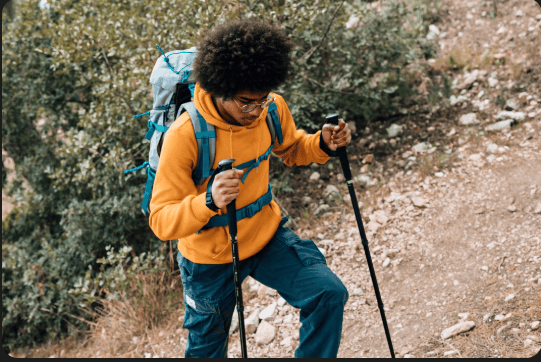
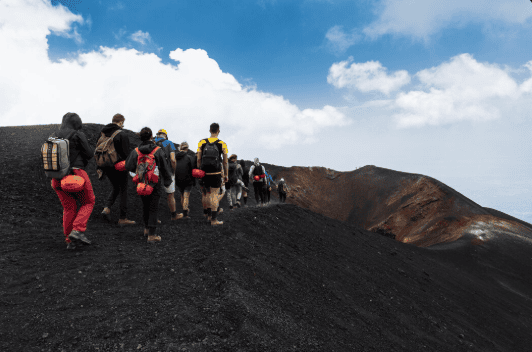
Remember that feeling, standing at a trailhead, looking up at a path that disappears into the trees? Your boots are laced, your pack is ready, and there’s a buzz of anticipation in the air. For a while, that simple joy was enough. But lately, you’ve been feeling a pull for something more. You see photos of friends on epic ridges, you hear stories of multi-day trails, and you find yourself wondering, “What’s next for me?” If that sounds familiar, my friend, you’re ready for a hiking challenge. And I’m here to help you find the perfect one.
A hiking challenge is simply a goal you set for yourself to bring focus and adventure to your time on the trail. It’s not about being the fastest or the strongest; it’s about giving your hikes a purpose, pushing your boundaries in a healthy way, and experiencing the profound satisfaction that comes from achieving something you set out to do. Think of this as your guidebook. We’ll walk through what makes a great challenge, how to pick one that fits your life, and I’ll share some of the best hiking challenges out there to spark your imagination.
What Are Hiking Challenges? (It’s More Than Just a Long Walk)
So, what exactly do I mean when I talk about a “hiking challenge”? It’s a fair question. After all, every hike can feel like a challenge when you’re climbing a steep hill!
In the hiking world, a challenge is a structured goal. It’s a commitment you make to yourself, with a clear finish line. It transforms your hikes from isolated events into chapters of a bigger, more rewarding story.
These goals generally fall into a few categories:
- The Timed or Distance Goal: This is about consistency and volume. A classic example is the ever-popular 52 Hike Challenge, which encourages you to complete one hike per week for a full year. It’s less about difficulty and more about building a lasting habit and exploring your local trails. Other goals might be to hike 100, 500, or even 1,000 miles in a year.
- The Peak Bagging List: This is for those who live for the summit view. “Peak bagging” is the simple, satisfying act of checking mountains off a list. This could be a famous list, like Colorado’s famous 14ers (mountains over 14,000 feet), or a local list curated by a hiking club. The reward is a tangible sense of progress as you work your way through the peaks.
- The Thru Hike: This is the big one. A thru hike means tackling a long-distance trail from end to end in one continuous journey. Names like the Appalachian Trail (AT), the Pacific Crest Trail (PCT), and the Continental Divide Trail (CDT) are the stuff of legend. These are life-changing undertakings that require months of dedication and are the pinnacle for many dedicated hikers.
- The Skill Based Challenge: Some challenges are less about a list and more about mastering a new skill. This could mean completing a route that requires basic rock scrambling, learning to navigate with a map and compass in a new area, or planning your first solo overnight backpacking trip.
The common thread? Intentionality. A hiking challenge gives your time on the trail a powerful sense of purpose.
Finding Your Perfect Match: A Self Assessment Guide
With so many incredible options, how do you choose? The last thing you want is to pick a challenge that feels like a chore or, worse, is unsafe for your current skill level.
The best challenge is the one that stretches you without breaking you. Let’s be honest about where you are so we can find a goal that gets you where you want to go. Grab a notebook and ask yourself these questions.
First, Take a Honest Look at Your Fitness and Skills.
Be real with yourself. What was your most recent hike? Was it a flat 5-mile loop, or a steep 2,000-foot climb? How did you feel at the end? Your next challenge should logically build on your current abilities. If you’re new to hiking, aiming for a thru hike right away is a recipe for burnout or injury. There’s no shame in starting small; in fact, it’s the smartest thing you can do.
Next, Get Practical About Your Resources.
Your dream challenge has to fit into your real life. Be realistic about your time, your budget, and your location.
- Time: Are you a weekend warrior with two free days a week? Or do you have the flexibility to take a month off for an adventure? Your available time is the biggest factor in choosing between a year-long local challenge and a multi-week trek.
- Budget: Challenges can cost money. Think about gear upgrades, travel to trailheads, permits, and potentially taking unpaid time off work. A local peak-bagging list might only cost you gas money, while a major thru-hike is a significant financial investment.
- Location: Start with the trails in your backyard. Some of the most rewarding challenges are exploring the parks and forests within a few hours’ drive. You might be surprised by the amazing hiking challenges hidden in your own region.
Finally, Listen to Your Motivation.
Why are you doing this? Is it for the solitude and quiet contemplation of the woods? Is it for the social connection of hiking with a group? Or is it purely for the physical test? Your “why” will point you in the right direction. If you crave solitude, a crowded, famous challenge might frustrate you. If you’re driven by community, find a challenge with an active online group for sharing tips and encouragement.
A Hiker’s Menu: Challenge Ideas for Every Level
Alright, now for the fun part. Let’s look at some specific hiking challenges that have inspired countless adventurers. I’ve broken them down by level to make it easy to find your starting point.
For Beginners & Weekend Warriors
These are perfect for building confidence and making hiking a core part of your lifestyle.
- The 52 Hike Challenge: This is my top recommendation for anyone wanting to build a consistent habit. The goal is simple: one hike per week for a year. It gets you outside in all seasons, helps you discover local trails, and builds a fantastic foundation of fitness. The flexibility is its greatest strength, a hike counts whether it’s one mile or ten.
- State Park Passport/Challenge: Many state park systems have a “passport” program where you get a stamp at each park you visit. Trying to visit all the parks in your state, or even a certain number of them, is a fantastic way to explore the diverse landscapes near you. It’s a challenge the whole family can enjoy.
For Intermediate Hikers Building Their Skills
You’re comfortable on the trail, and you’re ready to aim for something specific that requires a bit more grit and planning.
- New Hampshire’s 52 With a View List: While the White Mountains are famous for the brutal 4,000-footers, the “52 With a View” list is a brilliant alternative. As the name promises, each peak offers a spectacular payoff without the same extreme level of difficulty, making it one of the most rewarding peak bagging experiences in the Northeast.
- Colorado’s 14ers: This is the classic peak bagging goal. Summiting all of Colorado’s 58 mountains over 14,000 feet is a massive undertaking that can take years, but you can also just aim for a few. It demands better fitness, an early start to beat afternoon storms, and a good understanding of route-finding. According to the Colorado Fourteeners Initiative, an estimated 500,000 hikers summit a 14er each year, a testament to their powerful draw.
- The UK’s National Three Peaks Challenge: This is a classic endurance test. The goal is to summit the highest peaks in Scotland (Ben Nevis), England (Scafell Pike), and Wales (Snowdon) within 24 hours, including driving time. It’s a logistical and physical puzzle that is incredibly popular for teams and charity fundraisers.
For the Committed Adventurer
These are the legacy builders, the challenges that become a defining part of your story.
- The Triple Crown of Hiking: This is the ultimate achievement in long-distance hiking, comprising the Appalachian Trail (2,190+ miles), the Pacific Crest Trail (2,650+ miles), and the Continental Divide Trail (3,100+ miles). Fewer than 500 people have completed all three, according to the American Long Distance Hiking Association-West. Each one is a 4-6 month commitment that tests every facet of your physical and mental strength.
- The John Muir Trail (JMT): Often called “the most beautiful long trail in America,” the JMT stretches 211 miles through the high sierra of California, from Yosemite Valley to the summit of Mount Whitney. It’s a thru hike that serves as a perfect introduction to long-distance backpacking, with breathtaking scenery every single day.
- The Tour du Mont Blanc (TMB): For those looking internationally, the TMB is a dream. This 105-mile circuit hikes through France, Italy, and Switzerland, circling the Mont Blanc massif. You’ll experience incredible alpine culture, stay in rustic “refuges,” and enjoy some of the most stunning mountain scenery on the planet. It’s typically completed in 10-11 days.
The Hiker’s Challenge Spectrum
| Challenge Level | Time Commitment | Fitness Demand | Sample Challenge | Key Benefit |
|---|---|---|---|---|
| 🏞️ Beginner | Weekends & Evenings | Low to Moderate | 52 Hike Challenge | Builds a consistent, healthy habit |
| ⛰️ Intermediate | Full Days & Weekends | Moderate to High | Peak Bagging a 14er | Offers a clear, summit-focused goal |
| 🏔️ Advanced | Weeks to Months | Very High | Thru-Hiking the PCT | A life-changing test of endurance |
Call-out Stats:
- 500,000+: Estimated hikers who attempt a Colorado 14er each year. (Source: Colorado Fourteeners Initiative)
- < 500: The number of people who have completed the Triple Crown of Hiking. (Source: American Long Distance Hiking Association-West)
- #1 Benefit: 85% of hikers report that having a goal significantly increased their motivation. (Source: The 52 Hike Challenge Community Survey)
The Expert’s Blueprint: Your Game Plan for Success
You’ve found your challenge. Maybe it’s that local peak-bagging list you’ve been eyeing, or perhaps you’ve decided this is the year you finally tackle that multi-day trail. Now what? This is where the dream meets the trail, and a little bit of smart preparation separates an unforgettable adventure from a frustrating ordeal.
Think of this section as your trail map for preparation. We’re going to cover the four key areas that will set you up for success: your gear, your body, your plan, and your mind.
Gear Up Smartly: Love Your Feet and Your Pack
Let’s get one thing straight: you don’t need the most expensive gear to succeed. But you do need reliable gear that you know how to use. The golden rule? Never wear brand-new boots on a big hike. Blisters are the fastest way to turn a dream challenge into a nightmare.
- Footwear is Everything: This is your number one investment. Whether you choose sturdy boots or lightweight trail runners is a personal preference, but make sure they are broken in and suited to the terrain. For a long trail, you’ll likely go through multiple pairs.
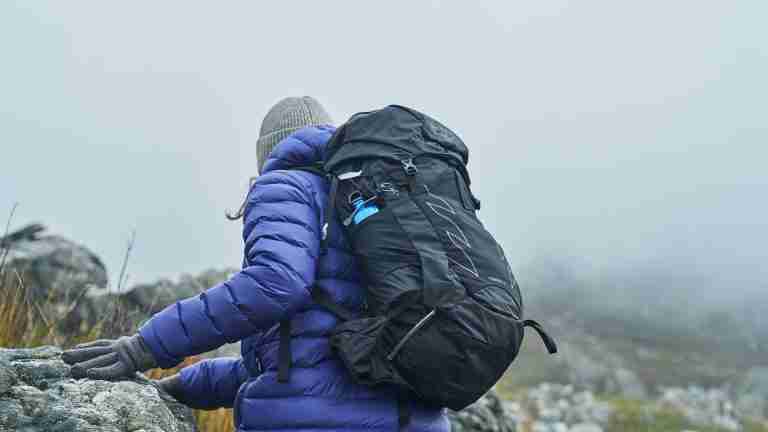
- Your Pack is Your Basecamp: A poorly fitting pack is a torture device. Go to a reputable store, get fitted by an expert, and load it with weight to test it out. Your pack should carry the weight on your hips, not your shoulders. For day challenges, a 20-30 liter pack is perfect. For overnight thru hikes, you’ll be looking at a 50-65 liter capacity.
- The Ten Essentials Aren’t Optional: This isn’t just a list; it’s a mindset. Always carry a navigation system (map & compass, plus your phone/GPS), sun protection, insulation (an extra layer), illumination (headlamp), first-aid supplies, fire starters, repair kit, extra food, extra water, and an emergency shelter. These items are your safety net.
Craft a Training Plan That Builds Confidence
You can’t go from couch to Colorado 14er. The goal of training is to build your strength and endurance so you can enjoy the challenge, not just survive it.
- Start with Consistency: Don’t worry about intensity at first. Just get out regularly. A few short hikes during the week are more valuable than one massive, exhausting hike on the weekend.
- Embrace the Stairs (and the Gym): Hiking is a full-body activity. Incorporate strength training into your routine. Focus on your legs (squats, lunges), your core (planks), and your back. This functional strength will protect you from injury and make carrying a pack feel easier.
- Mimic Your Challenge: If your goal involves lots of elevation gain, find a local hill or a stadium and do repeats. If you’re training for a long-distance trail, plan a few back-to-back hikes on a weekend to simulate the fatigue and recovery process.
Master the Logistics: The Unsexy Secret to Success
This is what the pros spend hours on: the planning. Nailing the logistics is what makes a challenging trip feel smooth and safe.
- Permits are Non-Negotiable: For many of the iconic hiking challenges, especially thru hikes in popular places, you need a permit. These often have limited availability and are awarded by lottery months in advance. Research this the moment you pick your challenge. The National Park Service and U.S. Forest Service websites are your best friends.
- Create a Resupply Strategy: On a long trail, you can’t carry all your food from day one. You need to plan where you’ll leave a resupply box or where you can pop into a town to buy groceries. This puzzle is a fun and crucial part of the preparation.
- Leave a Trip Plan: Always, always tell someone you trust where you are going and when you expect to be back. Include your route, your car’s make and model, and when they should call for help if they haven’t heard from you. This simple, free step is the most important safety tool you have.
The Mental Game: Your Strongest Muscle
Your body can be ready, but if your mind isn’t, the trail will feel twice as long. Mental toughness is what keeps you going when your feet are sore and the rain won’t stop.
- Break It Down: Looking at a 2,000-mile trail is overwhelming. Don’t. Just focus on getting to the next campsite, the next resupply point, or even the next bend in the trail. Chunk your challenge into manageable pieces.
- Embrace the Suck: Let’s be real. Some days will be hard. You’ll be wet, tired, and questioning your life choices. In those moments, instead of fighting it, accept it. Laugh at the absurdity of the situation. Remember that this difficult moment is temporary, and the memory of pushing through it will be a point of pride later.
- Find Your “Why” Again: When the going gets tough, reconnect with the reason you started. Pull out a photo of your family, remember the feeling of standing on your first summit, or think about the community supporting you. Your “why” is your anchor.
Beyond the Finish Line: The View from the Top is Just the Beginning
You did it. You stand on that final summit, you touch that sign at the trail’s end, or you check that last peak off your list. You feel the sweat, the ache in your muscles, and a surge of pure, unfiltered joy. But the real prize isn’t just the photo or the patch you might get. It’s the person you became on the way.
Completing a hiking challenge changes you. You walk away with more than just strong legs.
- You gain a deep, quiet confidence that comes from knowing you can rely on yourself when things get difficult.
- You develop a profound connection to the landscapes you walked through, seeing the subtle changes in the ecosystem mile by mile.
- You become part of a community, the nodding camaraderie with other hikers who understand the call of the trail.
And perhaps the most beautiful part? One challenge has a funny way of leading to the next. That local 10-mile loop you started with suddenly feels like a warm-up. You’ll find yourself looking at maps with new eyes, dreaming bigger dreams, because you now know exactly what you’re capable of.
Final Thought: Your Trail Awaits
The world is full of incredible trails, and each one is an invitation to an adventure. A hiking challenge is simply your way of RSVPing “yes.” It doesn’t have to be a six-month thru hike; it can start with a commitment to explore one new local trail a month.
The path begins right where you are. Lace up your boots, pick a goal that makes you feel a little excited and a little nervous, and take that first step. The mountains aren’t going anywhere. They’re waiting for you.
So, what’s your hiking challenge going to be? Share it in the comments below, I’d love to hear about it. And if you found this guide helpful, pass it along to a friend who needs a little nudge to find their next trail.