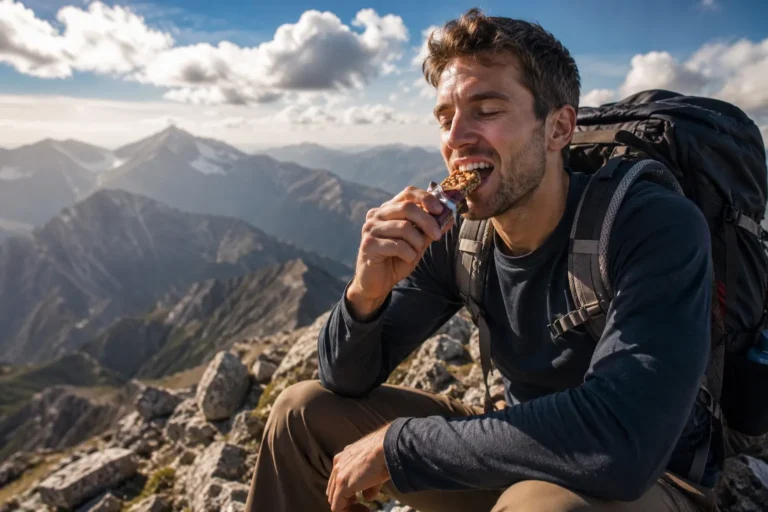
Imagine it’s a crisp Saturday morning, and while your friends are still scrolling through their phones in bed, you’re standing on a mountain trail watching the sunrise paint the valley below in shades of gold and pink. Your legs are tired, your boots are dusty, and you’ve never felt more alive. This is what happens when hiking becomes your hobby.
So, is hiking a hobby? Absolutely yes. Hiking is one of the most rewarding hobbies you can pursue because it combines physical exercise, mental wellness, social connection, and adventure into one accessible activity. Unlike many hobbies that require expensive equipment or special facilities, hiking only needs a good pair of shoes and a trail. Whether you’re walking through a local nature park or climbing a challenging mountain peak, hiking offers something for everyone at every skill level.
The beauty of hiking as a hobby is that it grows with you. Today you might tackle a gentle two-mile loop around a lake. Next year, you could be planning a multi-day backpacking trip through a national park. There’s no pressure, no competition (unless you want it), and no judgment. Just you, nature, and the path ahead.
What Actually Makes Hiking a Hobby?
Let’s start with the basics. A hobby is an activity you do regularly for enjoyment and personal satisfaction, not because you have to. It’s something you choose to spend your free time doing, often because it brings you joy or helps you develop new skills.
Hiking checks every single box.
When you make hiking a hobby, you’re not just taking occasional walks. You’re intentionally seeking out trails, learning about different terrains, building your endurance, and maybe even investing in better gear as you progress. You start recognizing trail markers, understanding elevation gain, and knowing the difference between a day hike and a thru-hike.
The hiking community is real and thriving. From local hiking clubs to online forums where people share trail conditions and photos, hikers have created a whole culture around this activity. According to the Outdoor Foundation, over 57 million Americans went hiking in 2020, and those numbers have only grown since then. That’s a lot of people who’ve decided that yes, hiking is definitely their hobby.
Here’s what separates hiking from just walking around: intention and engagement. When you walk to the grocery store, that’s transportation. When you deliberately drive to a trailhead, lace up your hiking boots, pack water and snacks, and set out to explore a path through nature, that’s hiking as a hobby.
The Real Benefits of Making Hiking Your Hobby
Your Body Will Thank You
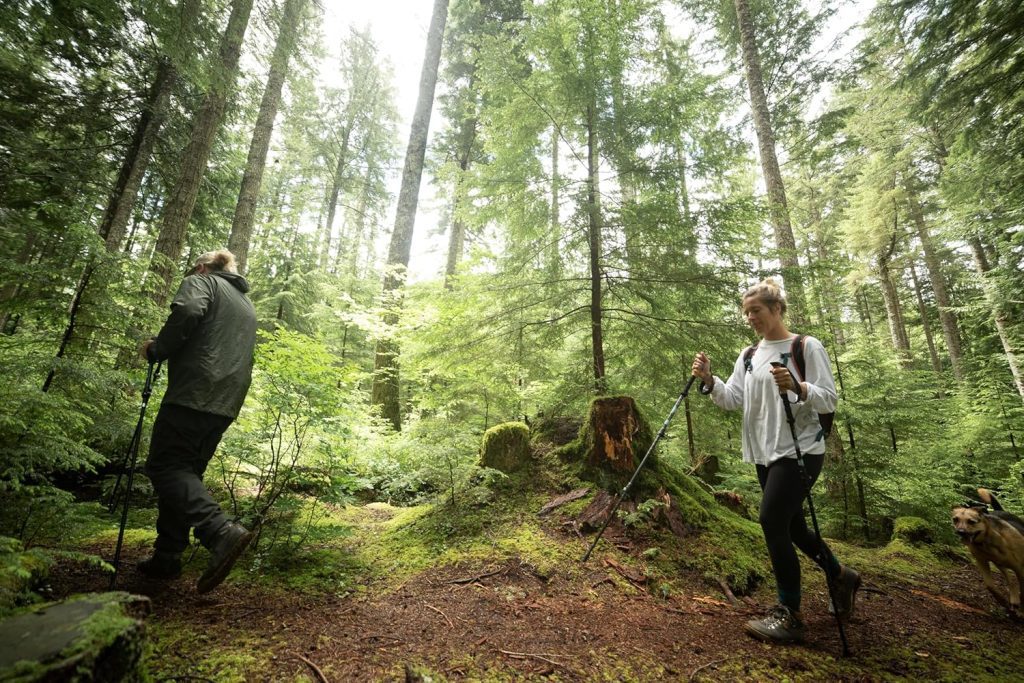
Let’s talk about what hiking actually does for your physical health. This isn’t your typical gym workout, and that’s exactly why so many people love it.
Hiking burns serious calories without feeling like exercise. A 160-pound person can burn around 430-440 calories per hour on a moderate hike, according to research from Harvard Medical School. Push yourself on steeper terrain, and that number climbs even higher. The best part? You’re so focused on the scenery and the trail that you barely notice you’re working out.
Your cardiovascular system gets stronger with every hike. Your heart pumps blood more efficiently, your lungs expand their capacity, and your overall endurance improves. Regular hikers often find that everyday activities like climbing stairs or carrying groceries become noticeably easier.
Unlike running on pavement, hiking is relatively low impact. The natural give of dirt trails cushions your joints better than concrete. Your muscles still work hard, especially your quads, hamstrings, and calves, but the varied terrain means you’re engaging different muscle groups with each step. Going uphill builds strength. Going downhill improves balance and coordination.
Your Mind Gets a Reset Button
This is where hiking as a hobby really shines. We’re all drowning in screens, notifications, deadlines, and stress. Hiking offers something increasingly rare: genuine disconnection.
Studies from Stanford University have shown that spending time in nature reduces rumination, that endless loop of negative thoughts that can lead to anxiety and depression. When you’re hiking, your brain shifts from its default worry mode to a state of engaged attention. You notice the sound of wind through pine trees, the pattern of sunlight on leaves, the feeling of solid ground under your feet.
The Japanese have a practice called “forest bathing” or shinrin-yoku, which is essentially mindful time spent in nature. Research published in Environmental Health and Preventive Medicine found that forest environments promote lower concentrations of cortisol, lower pulse rate, and lower blood pressure. You don’t need to be in Japan to experience this. Any tree-lined trail will do.
Hiking also provides natural opportunities for problem-solving and creative thinking. There’s something about the rhythm of walking and the absence of digital distractions that lets your mind wander productively. Many hikers report having their best ideas on the trail.
You’ll Build Connections (Or Enjoy Solitude)
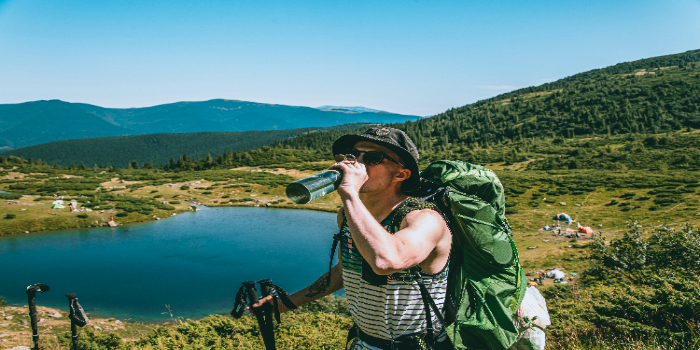
One of the unique aspects of hiking as a hobby is that it works perfectly whether you’re social or solitary.
Love meeting new people? Hiking clubs exist in nearly every city and town. These groups organize regular hikes for different skill levels, and they’re incredibly welcoming to beginners. You’ll meet people from all walks of life who share your interest in getting outdoors. Some of the strongest friendships form on trails, probably because there’s something about hiking together that cuts through small talk and gets to real conversation.
Prefer your own company? Solo hiking offers a different kind of reward. There’s a profound satisfaction in navigating a trail by yourself, making your own decisions about pace and breaks, and being completely present with your thoughts and surroundings. Many people find solo hiking meditative and restorative.
Families have discovered that hiking bridges generation gaps beautifully. Kids who won’t talk at the dinner table open up on trails. Teenagers put down their phones. Grandparents share stories. The shared experience of reaching a viewpoint or spotting wildlife creates memories that last.
It Won’t Break Your Bank Account
Let’s be honest about costs, because this matters when you’re choosing a hobby.
Most trails are completely free. National parks charge entrance fees (usually around $30 per vehicle for a weekly pass), but state parks, county parks, and local nature preserves often cost nothing at all. Compare that to golf, skiing, or most other outdoor recreational activities.
Your initial investment can be as low as $50 for decent hiking shoes and a water bottle. That’s it. You can literally start hiking tomorrow with what you probably already own: comfortable clothes, athletic shoes, and a backpack you use for school or work.
As you get more serious about hiking as a hobby, you might invest in better boots ($100-200), a proper daypack ($50-100), and layered clothing for different weather conditions. But even fully equipped, you’re looking at maybe $500 total, and that gear lasts for years.
Compare that to hobby costs like photography (thousands for camera equipment), mountain biking (bikes start around $500 and go way up), or sailing (don’t even ask). Hiking is remarkably affordable.
Getting Started: Your First Steps Into Hiking
What You Actually Need to Buy
Remember when I said you could start with almost nothing? That’s true, but let’s talk about what makes hiking more comfortable and safe.
Footwear comes first. Your feet are your hiking engine, so treat them well. For beginners on established trails, you don’t necessarily need heavy leather boots. Trail running shoes or light hiking shoes work great and cost between $80-150. Look for good tread, ankle support, and water resistance. Brands like Merrell, Salomon, and Columbia make solid beginner options.
Break in your shoes before hitting the trail. Wear them around your house, to the grocery store, on neighborhood walks. Blisters can turn a beautiful hike into a miserable experience.
A daypack is your second essential purchase. You need something to carry water, snacks, a first aid kit, and extra layers. A 15-20 liter pack is perfect for day hikes. Look for something with a chest strap and hip belt, which distributes weight better than just shoulder straps. You can find good options for $40-80.
Dress in layers, not cotton. Here’s a lesson every hiker learns eventually: cotton kills. When cotton gets wet from sweat or rain, it stays wet and pulls heat from your body. Instead, choose synthetic fabrics or merino wool that wick moisture away from your skin. You probably already own athletic wear that works perfectly.
Your layer system should include:
- A moisture-wicking base layer (like a tech t-shirt)
- An insulating mid-layer (fleece or light puffy jacket)
- A waterproof outer layer (rain jacket)
On warm days, you might only need the base layer. Cooler weather or higher elevations call for all three.
Navigation tools prevent you from getting lost. Download a hiking app like AllTrails, which shows trail maps that work even without cell service. Carry a portable phone charger. For longer or more remote hikes, a paper map and compass provide backup if your phone dies.
Pack the ten essentials. This is a system, not a literal list of ten items, but it covers everything you might need in an emergency:
- Navigation (map, compass, GPS)
- Sun protection (sunscreen, sunglasses, hat)
- Insulation (extra clothes)
- Illumination (headlamp or flashlight)
- First aid supplies
- Fire starter (matches, lighter)
- Repair kit and tools (knife, duct tape)
- Nutrition (extra food)
- Hydration (extra water)
- Emergency shelter (space blanket)
Don’t let this list intimidate you. For a short beginner hike on a popular trail in good weather, you can simplify. But having these items becomes more important as your hikes get longer or more remote.
Finding Trails That Match Your Level
This is where new hikers sometimes stumble. They pick a trail that’s too difficult, have a miserable time, and quit hiking before really starting.
Start with easy, well-marked trails. Most trail websites and apps use a rating system: easy, moderate, hard, or sometimes green/blue/black like ski slopes. For your first few hikes, stick with easy or green trails under three miles.
Understand what the ratings mean. Trail difficulty considers several factors:
- Distance: How many miles total
- Elevation gain: How much climbing you’ll do
- Trail condition: Paved, well-maintained dirt, rocky, or scrambling
- Navigation: Clear and obvious or easy to lose the path
- Exposure: Protected by trees or exposed to sun and weather
A five-mile hike that’s flat feels completely different from a two-mile hike that climbs 1,000 feet. Pay attention to elevation gain as much as distance.
Use AllTrails or similar apps. These platforms are goldmines of information. You can filter by distance, difficulty, and features like waterfalls or dog-friendly trails. Recent reviews tell you current conditions, whether the trail is muddy, if bridges are out, or if parking fills up early.
Talk to other hikers. The hiking community is genuinely helpful. Post in local Facebook groups or subreddits asking for beginner trail recommendations. People love sharing their favorite spots.
Consider guided hikes. Many parks offer ranger-led hikes, and outdoor retailers like REI organize beginner group hikes. These provide a safe, educational introduction to hiking with built-in support.
Suggested read: Discover the 10 Most Beautiful Hiking Trails in the US for Your Next Adventure
Basic Trail Skills Every Hiker Needs
Hiking might seem simple (just walk, right?), but learning a few fundamental skills makes the experience safer and more enjoyable.
Learn to read trail markers. Most established trails use colored blazes (painted rectangles on trees), cairns (stacked rocks), or carved wooden signs. A single blaze means you’re on the right path. Double blazes usually indicate a turn. Three blazes might signal the end of the trail or a junction.
Master the uphill/downhill technique. Going uphill, take smaller steps and maintain a steady pace. Don’t sprint at the start. The “rest step” technique (pausing briefly with each step to let your rear leg fully support your weight) helps on steep climbs.
Going downhill actually causes more injuries than climbing. Keep your knees slightly bent, take shorter steps, and don’t lock your joints. Use trekking poles if you have them. Your quads will burn, and that’s normal.
Know when to turn around. This might be the most important hiking skill. If weather turns bad, you’re exhausted, or you’re running behind schedule, swallow your pride and turn back. Summits and viewpoints will be there next time. Pushing beyond your limits leads to injuries, getting lost, or worse.
Practice Leave No Trace principles. This ethical framework keeps trails beautiful for everyone:
- Pack out everything you pack in (including orange peels and apple cores)
- Stay on marked trails to prevent erosion
- Don’t pick flowers or disturb wildlife
- Keep noise levels reasonable
- If you need to poop, dig a six-inch hole at least 200 feet from water
Understand basic first aid. Most hiking injuries are minor: blisters, small cuts, twisted ankles. Carry a basic first aid kit and know how to use it. Take a wilderness first aid class if you plan to do more remote hiking.
Safety Isn’t Optional
Making hiking your hobby means taking safety seriously. Not in a paranoid way, but in a prepared way.
Always tell someone your plans. Before every hike, text a friend or family member your trailhead location, expected return time, and what to do if you don’t check in. This simple habit could save your life.
Check weather forecasts. Mountain weather changes quickly. A sunny morning can turn into an afternoon thunderstorm. Lightning on an exposed ridge is extremely dangerous. If thunderstorms are predicted, reschedule your hike.
Start early. Most experienced hikers hit the trail at sunrise or shortly after. You avoid afternoon heat and storms, get better lighting for photos, see more wildlife, and find parking easier. Plus, there’s something magical about being in the woods when the world wakes up.
Carry enough water. Dehydration sneaks up on you, especially at elevation. A general rule is one liter per two hours of hiking, but adjust based on temperature and your personal needs. Many hikers carry water filters or purification tablets for longer trips where they can refill from streams.
Know your limits. Fitness matters, but so does experience, altitude, and terrain. A hiker who easily handles five miles in Florida might struggle with three miles at 10,000 feet in Colorado. Build up gradually.
Wildlife awareness is situational. Black bears? Make noise and carry bear spray in bear country. Snakes? Watch where you put your hands and feet, especially on hot days. Mountain lions? Rare encounters, but if it happens, make yourself big and don’t run. Most wildlife wants nothing to do with you.
Developing Hiking as a Long-Term Hobby
Once you’ve caught the hiking bug, you’ll naturally want to progress and keep things interesting.
Set Personal Goals
Goals transform casual hiking into a committed hobby. They give you something to work toward and provide a sense of achievement.
Peak bagging means climbing to the summits of specific mountains. Many regions have lists like Colorado’s “14ers” (peaks over 14,000 feet) or New Hampshire’s “4,000 footers.” Checking peaks off a list provides satisfying structure to your hiking.
Trail challenges offer similar motivation. The Appalachian Trail Conservancy’s “A.T. 2000-Miler” program recognizes people who hike the entire 2,190-mile trail. Even if that sounds extreme, many areas have local challenges like hiking every trail in a state park system.
Distance milestones work for goal-oriented people. Maybe you commit to hiking 100 miles in a year, then 250, then 500. Apps track your statistics automatically.
Seasonal variations keep hiking fresh. A trail looks completely different in spring wildflowers, summer shade, fall colors, and winter snow. Some hikers challenge themselves to hike the same trail every month for a year.
Join the Community
Hiking becomes richer when you connect with other hikers.
Local hiking clubs exist almost everywhere. These organizations range from casual groups that meet monthly to serious clubs that organize multi-day trips. The American Hiking Society maintains a directory of clubs nationwide.
Meetup.com hosts hundreds of hiking groups sorted by location and interest. You’ll find groups for singles, seniors, beginners, fast pacers, women only, and everything in between.
Volunteer opportunities let you give back to the trails you love. Trail maintenance days help clear brush, repair erosion, and build bridges. Most hikers find this work surprisingly satisfying.
Social media communities provide inspiration and information. Instagram hiking accounts showcase incredible trails. Facebook groups answer questions and organize informal meetups. Reddit’s r/hiking and regional hiking subreddits are treasure troves of advice.
Document Your Adventures
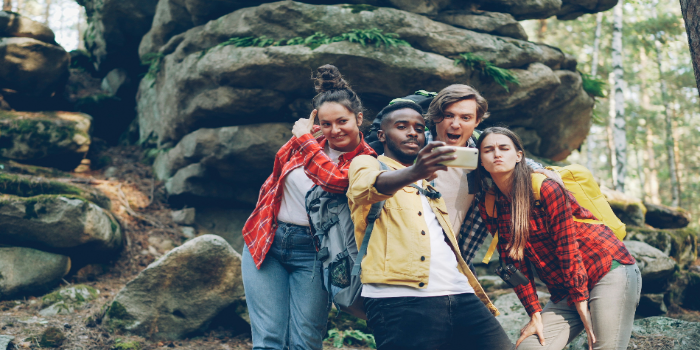
Many hikers find that recording their experiences deepens their connection to the hobby.
Photography is a natural pairing with hiking. You don’t need expensive equipment. Modern smartphones capture stunning trail photos. Learn basic composition principles like the rule of thirds, and pay attention to lighting during golden hour.
Journaling helps you remember details that fade over time. What wildflowers were blooming? Who did you meet at the summit? How did you feel when you accomplished something challenging? These notes become treasured memories.
Track your stats. Apps like AllTrails automatically record your distance, elevation gain, and routes. Looking back at your progress over months or years shows how far you’ve come.
Advance Your Skills
As hiking becomes your hobby, you’ll naturally want to tackle bigger challenges.
Learn to use map and compass. GPS devices and phone apps are great, but batteries die. Traditional navigation skills provide reliable backup and deeper understanding of terrain.
Try different terrain types. If you started on forest trails, explore alpine environments above treeline. Try desert hiking. Experience coastal trails. Each ecosystem requires different skills and offers unique rewards.
Consider backpacking. Overnight trips open up trails that are too long for day hikes. Carrying everything you need on your back presents new challenges and rewards. Start with a single night at an established campground before attempting more ambitious trips.
Take classes. Outdoor education organizations offer courses in wilderness first aid, navigation, backpacking basics, and outdoor leadership. REI stores frequently host free or low-cost workshops.
Train between hikes. Serious hikers supplement trail time with cardio and strength training. Stair climbing, cycling, and weight training build the fitness that makes difficult hikes more enjoyable.
Interesting read: 8 Best Hiking GPS Devices With Offline Maps
Overcoming Common Hiking Challenges
Every hobby has obstacles. Here’s how to work through the ones that trip up new hikers.
“I Don’t Have Time”
This is the number one excuse, and yes, we’re all busy. But hiking as a hobby is more flexible than you think.
Start with micro-hikes. A 30-minute walk on a local nature trail after work absolutely counts as hiking. You don’t need to dedicate entire days to this hobby. One hour on a Saturday morning beats zero hours.
Make hiking your social time. Instead of meeting friends for coffee, suggest a walk on a nearby trail. You’re catching up with people and hiking simultaneously.
Replace other activities. If you currently spend Sunday afternoons watching TV, redirect that time to hiking. You’re not adding something to your schedule; you’re substituting something better.
Early morning hikes work brilliantly for busy people. A 6 AM start means you’re back by 9 or 10, with the whole day still ahead of you.
“The Weather Is Always Wrong”
Weather dependence frustrates hikers everywhere, but it doesn’t have to stop you.
Embrace different conditions. Rain hiking is actually wonderful once you have proper waterproof gear. Trails are quieter, colors are more vivid, and there’s something primal about being out in the elements. Just avoid thunderstorms and dangerous conditions.
Winter hiking opens trails that are crowded in summer. With microspikes for icy conditions and layers for warmth, cold-weather hiking is perfectly safe and hauntingly beautiful.
Extreme heat requires adjustment, not cancellation. Hike early morning or evening when temperatures drop. Choose shaded forest trails over exposed ridges. Carry extra water.
Have a flexible schedule. Don’t commit to specific trails days in advance. Wake up Saturday morning, check the weather, and choose accordingly.
“I Don’t Have Anyone to Hike With”
Some people hesitate to start hiking as a hobby because they don’t have hiking partners.
Solo hiking is completely legitimate. Many experienced hikers prefer it. You move at your own pace, stop when you want, and enjoy solitude. Start with popular trails where you’ll see other hikers, which provides a safety net while you build confidence.
Finding hiking partners is easier than you think. We already covered hiking clubs and Meetup groups, but also check:
- Your workplace wellness program (many organize outdoor activities)
- College outdoor recreation clubs (often open to community members)
- Church or community center activity groups
- Local outdoor gear shops (bulletin boards list hiking partners wanted)
Bring non-hiking friends along. Most people enjoy hiking once they try it. Start with easy, scenic trails that show off hiking’s appeal.
“I’m Not Fit Enough”
Here’s a secret: you don’t get fit and then start hiking. You start hiking and become fit.
Choose appropriate trails for your current fitness level. Nobody expects you to climb mountains on day one. A flat mile-long trail is a perfectly fine beginning.
Take breaks without guilt. Stop to catch your breath, drink water, take photos. Hiking isn’t a race. The trail doesn’t judge your pace.
Watch your progress. That first trail that left you breathless? Three months later, you’ll cruise through it easily. Fitness builds faster than you expect.
Hiking actually works better than gym workouts for many people. The constantly changing scenery and natural goals (reaching the summit, making it to the waterfall) provide motivation that treadmills can’t match.
“I Live in a City”
Urban dwellers sometimes think hiking requires moving to the mountains. Not true.
Every major city has trails nearby. Chicago has the Indiana Dunes. Los Angeles has Griffith Park and countless canyons. New York City has trails in all five boroughs plus incredible hiking in nearby Harriman State Park. Boston has the Blue Hills. Phoenix has South Mountain. Seattle has Discovery Park.
Urban trails count just as much as wilderness treks. A hike is a hike, regardless of whether you can see buildings from the trail.
Plan weekend trips. A two-hour drive from most cities reaches excellent hiking. These excursions become anticipated highlights of your month.
How Hiking Compares to Other Outdoor Hobbies
Understanding where hiking fits among outdoor activities helps clarify whether it’s the right hobby for you.
Hiking vs. Running: Running covers more distance faster and provides an excellent cardio workout. But hiking is lower impact, more meditative, and lets you explore trails that would be dangerous to run. Many people do both.
Hiking vs. Cycling: Mountain biking requires expensive equipment and technical skills. You can’t bike many trails, especially in wilderness areas. Hiking lets you access remote places bicycles can’t reach. However, cycling covers more ground and provides a different kind of thrill.
Hiking vs. Camping: These hobbies complement each other beautifully. Camping extends your time in nature, while hiking gets you deeper into wilderness. Many campers hike, and many hikers eventually camp.
Hiking as a gateway hobby: Here’s something interesting. Hiking often introduces people to other outdoor pursuits. Hikers start noticing birds and take up birding. They become interested in wildflowers and learn botany. They discover mushrooms and try foraging. Photography, nature journaling, and wildlife watching all pair naturally with hiking.
Some hikers progress to more technical activities like rock climbing, mountaineering, or trail running. Others combine hiking with fishing, finding remote streams and lakes.
The point is that hiking as a hobby doesn’t exist in isolation. It opens doors to a whole world of outdoor activities.
The Hiking Hobby Quick Reference Guide
Here’s a data table you can reference or bookmark for quick information about starting and progressing in hiking:
| Experience Level | Ideal Trail Length | Elevation Gain | Essential Gear | Estimated Cost | Time Commitment |
|---|---|---|---|---|---|
| Complete Beginner | 1-3 miles | 0-500 feet | Basic athletic shoes, water bottle, snacks | $20-50 | 1-2 hours |
| Beginner | 3-5 miles | 500-1,000 feet | Trail shoes, daypack, basic layers, 10 essentials | $150-300 | 2-4 hours |
| Intermediate | 5-8 miles | 1,000-2,000 feet | Hiking boots, quality daypack, layering system, trekking poles | $400-600 | 4-6 hours |
| Advanced | 8-12 miles | 2,000-3,500 feet | Technical boots, full gear system, navigation tools, first aid | $600-1,000 | 6-8 hours |
| Expert | 12+ miles | 3,500+ feet | Specialized gear, backup systems, advanced safety equipment | $1,000+ | 8+ hours |
Calories Burned Per Hour by Activity Level:
- Easy pace (2-3 mph, flat terrain): 240-300 calories
- Moderate pace (3-4 mph, rolling terrain): 350-430 calories
- Challenging pace (4+ mph, steep terrain): 440-550 calories
- Backpacking with 30+ lb pack: 500-700 calories
Source: Harvard Medical School, Physical Activity Guidelines
Average Hiking Speeds by Terrain:
- Flat, well-maintained trail: 2.5-3.5 mph
- Moderate elevation, good trail: 2-2.5 mph
- Steep elevation, rocky trail: 1-1.5 mph
- Off-trail or scrambling: 0.5-1 mph
Common Hiking Measurements Explained:
- Elevation gain: Total feet climbed during your hike (500 feet = easy, 1,000-2,000 feet = moderate, 3,000+ feet = challenging)
- Trail distance: Round-trip miles unless specified as “one way”
- Trail time: Estimated completion time for average hikers, not including extended breaks
- Difficulty rating: Combination of distance, elevation, terrain, and navigation requirements
Your Hiking Journey Starts Now
So yes, hiking is absolutely a hobby, and it might just be the perfect one for you.
Think about what you want from a hobby. Physical health? Hiking delivers. Mental clarity? You’ll find it on trails. Social connections? The hiking community welcomes you. Time in nature? That’s the whole point. A sense of accomplishment? Every summit, every completed trail provides it.
The barrier to entry is remarkably low. You probably own enough gear right now to hike a local trail this weekend. The financial investment is minimal compared to most hobbies. The health benefits are profound and scientifically documented. The skills you’ll develop transfer to other areas of life: resilience, planning, self-sufficiency, and appreciation for nature.
Hiking as a hobby scales perfectly with your life. Starting a family? Hike with kids in carriers, then on their own feet as they grow. Getting older? Adjust to easier trails at a comfortable pace. Busy career? Squeeze in quick after-work hikes. Retired? Plan epic multi-day adventures.
The trails are waiting. They’ve been there for millions of years, and they’ll be there tomorrow. But your tomorrow is the only one you can control. Pull out your phone right now and search for trails within 30 minutes of your home. Pick one that sounds interesting. Look at the weather forecast for this weekend.
Then go. Just go.
You don’t need to be ready. You don’t need to be fit. You don’t need special equipment or advanced skills. You just need to show up at a trailhead and put one foot in front of the other.
That’s how every hiking hobby begins. With a single step.
And who knows? Maybe in a few months, you’ll be the one encouraging a nervous friend to try their first hike. You’ll lend them an extra water bottle, promise the trail isn’t too hard, and show them where you found this amazing hobby that changed your life.
Because that’s what hikers do. We share the trail and bring others along.
Welcome to hiking. Your adventure starts now.