There’s something magical about stepping onto a trail and feeling like you’ve entered another world. Maybe it’s the way the morning light filters through towering pines, or how a hidden waterfall suddenly appears around a bend. For hikers, beauty isn’t just a bonus, it’s part of the journey. And if you’re searching for the most beautiful hiking trails in the US, you’re in for a treat.
From the misty mountains of the Pacific Northwest to the sun-drenched deserts of the Southwest, the United States is home to thousands of trails that offer jaw-dropping views, rich biodiversity, and unforgettable experiences. Whether you’re a seasoned trekker or just starting out, this guide will help you discover trails that are not only scenic but also accessible, well-loved, and worth every step.
We’ll explore iconic routes like the Kalalau Trail in Hawaii and the John Muir Trail in California, along with lesser-known gems that deserve a spot on your hiking bucket list. You’ll also find practical tips, gear suggestions, and a handy fact sheet to help you plan your next adventure with confidence.
So lace up your boots, grab your water bottle, and let’s hit the trail.
What Makes a Trail Beautiful?
Beauty in hiking isn’t just about postcard-perfect views, though those help. It’s about how a trail makes you feel. The best hikes combine stunning scenery with a sense of discovery, peace, and connection to nature.
Here are a few things that make a trail truly beautiful:
- Scenic diversity: Trails that offer a mix of landscapes, think alpine lakes, wildflower meadows, rocky cliffs, and forested paths, keep the experience fresh and exciting.
- Natural landmarks: Iconic features like waterfalls, arches, glaciers, and panoramic overlooks add visual drama and make for memorable moments.
- Wildlife and flora: Spotting a herd of elk or walking through a field of blooming lupines adds richness to the hike.
- Seasonal charm: Some trails shine in spring with wildflowers, while others are best in fall when the leaves turn gold and crimson.
- Trail design: A well-maintained path with thoughtful switchbacks, signage, and viewpoints enhances the experience and makes it safer and more enjoyable.
These elements come together to create hikes that aren’t just physically rewarding but emotionally uplifting. And when you find a trail that checks all those boxes, you’ll understand why hikers keep coming back.
Exciting read: Is Hiking a Hobby? Everything You Need to Know About This Rewarding Pastime
Top Features of the Most Beautiful Hiking Trails in the US
| Feature | Why It Matters | Example Trail |
|---|---|---|
| Panoramic Views | Offers visual payoff and photo ops | Angel’s Landing, Utah |
| Water Elements | Adds serenity and coolness | Grinnell Glacier, Montana |
| Unique Terrain | Keeps the hike engaging | The Wave, Arizona |
| Seasonal Highlights | Enhances beauty during specific months | Appalachian Trail, Smokies |
| Wildlife Encounters | Adds excitement and connection to nature | Glacier National Park |
| Trail Accessibility | Ensures more people can enjoy it | Precipice Trail, Maine |
Sources: G Adventures, Outside Online
The 10 Most Beautiful Hiking Trails in the US
The United States is a hiker’s paradise, offering trails that wind through lush forests, scale dramatic cliffs, and skirt pristine coastlines. Whether you’re chasing waterfalls, alpine lakes, or desert sunsets, these ten trails stand out for their unforgettable beauty and immersive experiences.
Each trail below includes key details to help you plan your hike, from difficulty level to seasonal highlights, along with gear tips and nearby lodging options.
1. Kalalau Trail – Na Pali Coast, Hawaii
- Location: Kauai, Hawaii
- Length: 11 miles one way
- Difficulty: Challenging
- Highlights: Towering sea cliffs, lush valleys, remote beaches
- Best Time to Visit: May to September (dry season)
- Gear Tip: Lightweight rain gear and trail runners with good grip
- Nearby Stay: Hanalei Bay accommodations or camping with permits
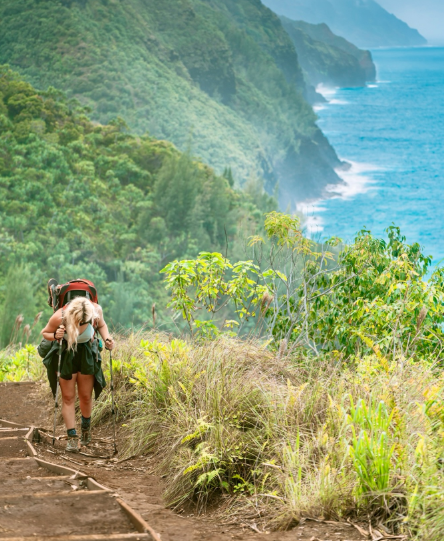
This trail is a visual feast. It hugs the rugged Na Pali coastline, offering sweeping views of emerald cliffs plunging into turquoise waters. The trail is demanding but rewards hikers with secluded beaches and waterfalls that feel untouched by time.
2. John Muir Trail – Sierra Nevada, California
- Location: Yosemite to Mount Whitney
- Length: 211 miles
- Difficulty: Moderate to strenuous
- Highlights: Granite peaks, alpine lakes, wildflower meadows
- Best Time to Visit: July to September
- Gear Tip: Bear canister, ultralight backpacking gear
- Nearby Stay: Yosemite lodges or backcountry campsites
Named after the legendary naturalist, this trail is a love letter to the Sierra Nevada. It passes through three national parks and offers some of the most iconic mountain scenery in the country. It’s ideal for thru-hikers and serious backpackers.
3. Angel’s Landing – Zion National Park, Utah
- Location: Zion Canyon, Utah
- Length: 5.4 miles round trip
- Difficulty: Strenuous with exposed sections
- Highlights: Red rock cliffs, narrow ridgeline, panoramic canyon views
- Best Time to Visit: Spring and fall
- Gear Tip: Grippy hiking shoes and a small daypack
- Nearby Stay: Springdale hotels or Zion campgrounds
Angel’s Landing is not for the faint of heart. The final stretch involves a narrow spine with steep drop-offs on both sides. But the views from the top? Absolutely worth it. It’s one of the most photographed hikes in the Southwest.
4. Cascade Pass Trail – North Cascades, Washington
- Location: North Cascades National Park
- Length: 7 miles round trip
- Difficulty: Moderate
- Highlights: Glacial valleys, jagged peaks, alpine wildflowers
- Best Time to Visit: July to September
- Gear Tip: Trekking poles and layers for changing weather
- Nearby Stay: Marblemount lodges or national park campgrounds
This trail is a hidden gem in Washington’s North Cascades. It’s relatively short but delivers big views, especially in late summer when wildflowers blanket the meadows. Keep an eye out for marmots and mountain goats.
5. Precipice Trail – Acadia National Park, Maine
- Location: Mount Desert Island, Maine
- Length: 2.5 miles round trip
- Difficulty: Strenuous with iron rungs and ladders
- Highlights: Coastal cliffs, Atlantic views, fall foliage
- Best Time to Visit: September to October
- Gear Tip: Gloves for gripping rungs, sturdy shoes
- Nearby Stay: Bar Harbor inns and B&Bs
Short but thrilling, the Precipice Trail climbs steep cliffs using iron rungs and ladders. It’s not a hike for those afraid of heights, but the views of the Atlantic Ocean and Acadia’s rugged coastline are spectacular.
Trail Comparison Table: Beauty, Difficulty & Best Season
| Trail Name | Difficulty | Scenic Highlights | Best Season |
|---|---|---|---|
| Kalalau Trail | Hard | Sea cliffs, beaches, waterfalls | May–Sept |
| John Muir Trail | Hard | Mountains, lakes, meadows | July–Sept |
| Angel’s Landing | Hard | Canyon views, red rock ridges | Spring/Fall |
| Cascade Pass | Moderate | Glacial valleys, wildflowers | July–Sept |
| Precipice Trail | Hard | Coastal cliffs, fall colors | Sept–Oct |
Sources: National Park Service, AllTrails, REI Expert Advice
6. Grinnell Glacier Trail – Glacier National Park, Montana
- Location: Many Glacier area, Montana
- Length: 7.6 miles round trip
- Difficulty: Moderate
- Highlights: Turquoise lakes, glacier views, wildflowers
- Best Time to Visit: July to early September
- Gear Tip: Binoculars for spotting wildlife, sun protection
- Nearby Stay: Many Glacier Hotel or park campgrounds
This trail is a visual masterpiece. You’ll hike past three stunning lakes before reaching the overlook of Grinnell Glacier. Along the way, expect to see bighorn sheep, mountain goats, and maybe even a bear, from a safe distance, of course.
7. Lost Coast Trail – Northern California
- Location: King Range National Conservation Area
- Length: 25 miles one way
- Difficulty: Moderate to strenuous
- Highlights: Remote beaches, tide pools, sea stacks
- Best Time to Visit: May to October
- Gear Tip: Tide chart, waterproof gear, bear-proof food storage
- Nearby Stay: Shelter Cove lodging or backcountry camping
If solitude and raw coastal beauty are what you’re after, the Lost Coast Trail delivers. It’s one of the few places in California where the mountains meet the ocean without a road in sight. You’ll hike along black sand beaches and camp under the stars.
8. Harding Icefield Trail – Kenai Fjords, Alaska
- Location: Exit Glacier area, Alaska
- Length: 8.2 miles round trip
- Difficulty: Strenuous
- Highlights: Glacier views, alpine tundra, wildlife
- Best Time to Visit: June to August
- Gear Tip: Warm layers, bear spray, trekking poles
- Nearby Stay: Seward hotels or park cabins
This trail climbs steadily from the valley floor to a jaw-dropping view of the Harding Icefield, a massive sheet of ice stretching as far as the eye can see. It’s a challenging hike, but the reward is one of the most dramatic vistas in Alaska.
9. Bright Angel Trail – Grand Canyon, Arizona
- Location: South Rim, Grand Canyon National Park
- Length: Up to 12 miles round trip (to Plateau Point)
- Difficulty: Moderate to strenuous
- Highlights: Canyon layers, river views, desert flora
- Best Time to Visit: March to May, September to November
- Gear Tip: Electrolytes, sun hat, layered clothing
- Nearby Stay: Grand Canyon lodges or nearby hotels in Tusayan
Bright Angel is one of the most popular trails in the Grand Canyon, and for good reason. It offers a safe, well-maintained descent into the canyon with rest houses and water stations. The views of the canyon walls changing color throughout the day are unforgettable.
10. Appalachian Trail – Smoky Mountains Section
- Location: Great Smoky Mountains National Park
- Length: Varies (popular section: Clingmans Dome to Newfound Gap, 7.5 miles)
- Difficulty: Moderate
- Highlights: Misty forests, mountain ridges, fall foliage
- Best Time to Visit: April to June, October
- Gear Tip: Rain jacket, trail map, insect repellent
- Nearby Stay: Gatlinburg cabins or park shelters
This stretch of the Appalachian Trail winds through the highest peaks in the Smokies. It’s known for its ethereal beauty, especially in the fall when the forest explodes in color. The misty mornings and quiet ridgelines make it a peaceful escape.
Interesting read: Finding Your Next Adventure: Best Hiking Trails Near You Today
Planning Tips for Your Hiking Adventure
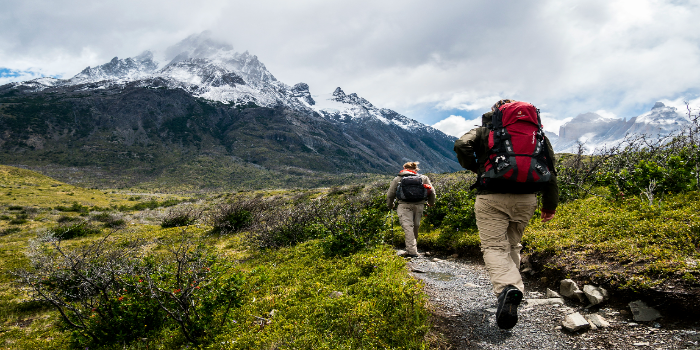
Before you head out to explore these stunning trails, here are a few things to keep in mind:
- Check trail conditions: Weather, closures, and permit requirements can change quickly. Always check the official park website or local ranger station.
- Pack smart: Bring essentials like water, snacks, navigation tools, and layers. For longer hikes, consider lightweight gear and emergency supplies.
- Respect nature: Follow Leave No Trace principles. Stay on marked trails, pack out trash, and avoid disturbing wildlife.
- Know your limits: Choose trails that match your fitness level and experience. It’s okay to start small and work your way up.
- Consider guided options: Some trails offer guided hikes or shuttle services, which can be great for beginners or those unfamiliar with the area.
Best Gear for Scenic Hiking Adventures
Having the right gear can make or break your hike, especially on trails where the scenery is matched by the challenge. Here’s a quick guide to essentials that will keep you safe, comfortable, and ready to soak in the views.
Must-Have Hiking Gear
| Item | Why It’s Important | Recommended Use Case |
|---|---|---|
| Hiking Boots | Support and traction on uneven terrain | Rocky or steep trails |
| Hydration Pack | Hands-free water access | Long hikes or hot climates |
| Trekking Poles | Stability and joint relief | Mountain and glacier hikes |
| Lightweight Rain Jacket | Protection from sudden weather changes | Coastal and alpine trails |
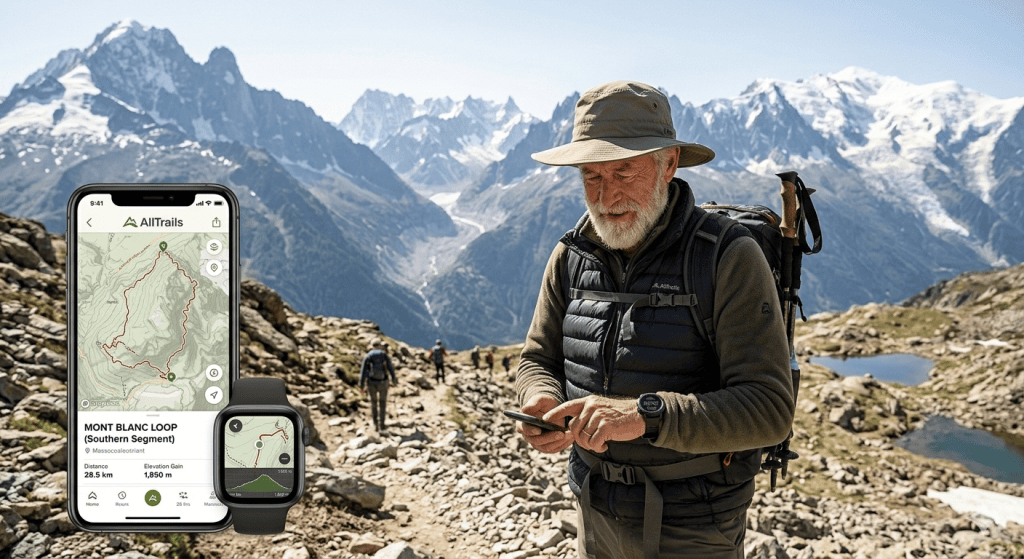
| GPS or Trail App | Navigation and safety | Remote or poorly marked trails |
| Sun Protection | Prevents sunburn and heat exhaustion | Desert and high-altitude hikes |
| Bear Spray | Wildlife safety in bear country | Alaska, Montana, and remote areas |
For gear recommendations, check out expert reviews from REI, Outdoor Gear Lab, and Backpacker Magazine.
Eco-Friendly Hiking Practices
Exploring nature’s beauty comes with a responsibility to protect it. Here are a few simple ways to hike responsibly and leave the trail better than you found it:
- Stick to the trail: Avoid trampling vegetation or creating new paths.
- Pack it in, pack it out: Carry out all trash, including food scraps and biodegradable items.
- Respect wildlife: Observe from a distance and never feed animals.
- Use reusable gear: Water bottles, utensils, and containers reduce waste.
- Support local conservation: Donate to park foundations or volunteer for trail maintenance.
By following these practices, you help preserve these beautiful places for future hikers, and show respect for the land and its ecosystems.
Final Thoughts: Your Next Adventure Awaits
There’s a reason hikers speak of trails like they’re old friends. Each one has a personality, a rhythm, and a story to tell. Whether you’re standing on a cliff in Zion or watching the sun rise over the Smokies, the most beautiful hiking trails in the US offer more than just views, they offer connection, clarity, and joy.
So if you’ve been dreaming of your next adventure, let this guide be your starting point. Pick a trail that speaks to you, pack your gear, and go find that moment where the world feels wide and wonderful.
And when you do, take a deep breath, look around, and remember, this is why we hike.