
There’s something special about standing at the base of a hill or mountain trail and looking up. You feel that mix of excitement and curiosity, wondering what it’ll take to reach the top and what kind of view will reward you when you get there. That feeling, that challenge, is what hiking upward is all about.
So, what exactly is hiking upward? In simple terms, it means hiking on a trail that climbs in elevation, where each step takes you higher than the one before. It’s not just about distance; it’s about conquering gravity, one stride at a time. Whether you’re heading up a gentle forest slope or tackling a steep mountain path, hiking upward engages your body and mind in a completely different way than flat terrain does.
If you’ve ever wondered why some hikers seem to move uphill with ease while others struggle, or how you can build the endurance and technique to handle elevation gain confidently, you’re in the right place. In this guide, we’ll explore everything from the basics of uphill hiking to the physical and mental benefits, the muscles you use, and the techniques that make the climb easier and more rewarding.
By the end, you’ll not only understand what hiking upward involves, you’ll also know how to do it better, safer, and with more enjoyment (Reference: American Hiking Society, 2023).
Understanding the Concept of Hiking Upward
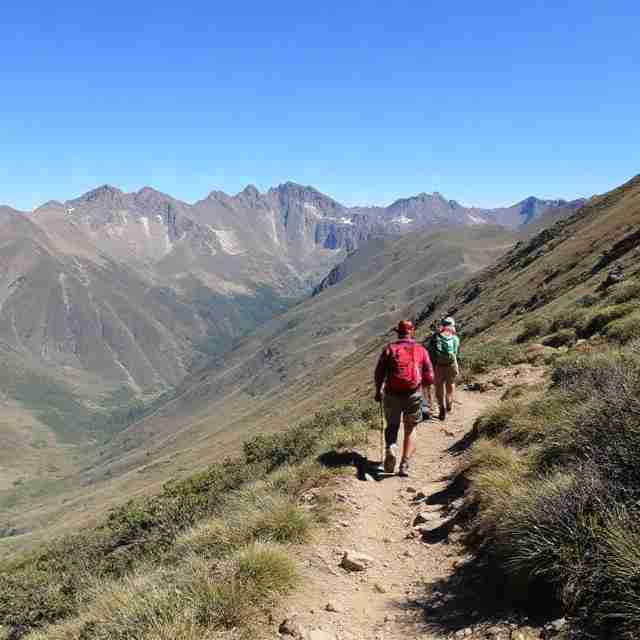
Hiking upward simply means walking on trails that rise in elevation, creating an uphill or inclined path. These can range from mild slopes that gradually increase in height to steep ascents that test your balance, strength, and endurance. What makes upward hiking unique is the way it combines physical effort with a sense of progress, you can literally see how far you’ve climbed.
When you hike upward, you’re not just covering distance; you’re gaining elevation. Hikers often measure this as “elevation gain,” which refers to how many vertical feet or meters you’ve climbed from your starting point to the highest point on your route. A trail that rises 300 meters over 5 kilometers has an average grade of about 6%, while mountain hikes can exceed 15% or even 20% grades, a serious challenge for the legs and lungs.
Understanding elevation gain helps you plan your hike better. For instance:
- A trail with 150 meters of elevation gain is great for beginners.
- 300 to 600 meters is moderate and ideal for building stamina.
- Anything above 800 meters is considered advanced or strenuous.
(Source: National Park Service Trail Difficulty Ratings, 2024)
Another term you’ll often hear is incline. It’s simply the steepness of the trail. A steeper incline means more effort, but it also rewards you with stronger muscles, better endurance, and often, better views.
In essence, hiking upward is about more than physical exercise, it’s about learning how your body and mind respond to gradual challenges. Each step upward teaches patience, rhythm, and balance. The journey may be tough, but the satisfaction of reaching the top is always worth it.
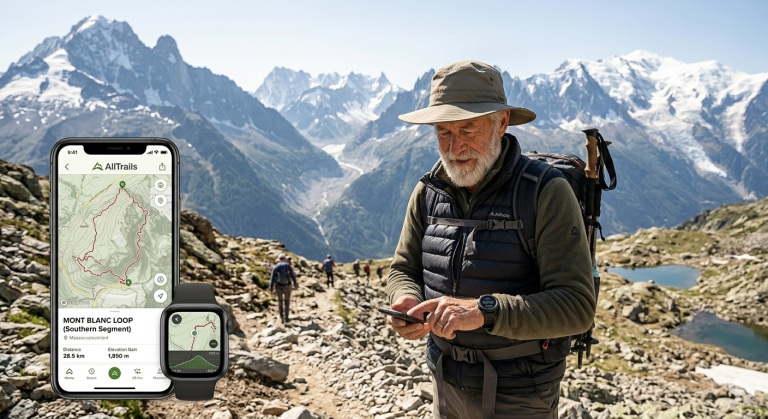
Quick Tip: When you’re studying trail maps or apps like AllTrails, look for the “elevation gain” and “grade” information. This helps you prepare mentally and physically for the climb ahead.
Why Hike Upward? The Physical and Mental Benefits
Let’s face it, hiking upward can be tough. Your legs burn, your breathing quickens, and sometimes you start questioning your life choices halfway up the hill. But then, you reach the top, feel that breeze, and take in the view, and suddenly it all feels worth it. That’s the beauty of hiking upward: it challenges you and rewards you all at once.
Physical Benefits
Hiking upward is one of the best total-body workouts you can do without a gym membership. Each step works your quadriceps, hamstrings, glutes, and calves, helping to tone and strengthen your lower body. The incline also engages your core muscles, which help you stay balanced and stable, especially when carrying a backpack.
Because you’re moving against gravity, your heart and lungs work harder too. This boosts your cardiovascular endurance, making hiking upward an excellent way to improve overall fitness. According to the American Council on Exercise (ACE), hiking on an incline can burn up to 60% more calories than walking on flat ground, depending on your speed and trail gradient (ACE, 2022).
Here’s a simple comparison of how hiking upward impacts your body versus walking on level terrain:
Physical Impact of Hiking Upward vs Flat Terrain
| Category | Flat Terrain Hiking | Hiking Upward (Incline) |
|---|---|---|
| Muscle Engagement | Moderate leg use | Intense leg, glute, and core activation |
| Calorie Burn (per hour) | 250–350 kcal | 400–600 kcal |
| Heart Rate Zone | Light to moderate | Moderate to high |
| Balance & Coordination | Low demand | High demand |
| Endurance Building | Steady | Rapid improvement over time |
| Mental Focus Needed | Minimal | High (requires pacing and concentration) |
(Data compiled from ACE, Mayo Clinic & National Institute on Aging, 2024)
Mental Benefits
Beyond the physical workout, hiking upward is a mental reset. The climb teaches persistence and focus, two things that benefit you far beyond the trail. When you push through a steep section, your brain releases endorphins, the feel-good hormones that reduce stress and elevate mood (Harvard Health, 2023).
It’s also a mindfulness exercise in disguise. Uphill hiking forces you to slow down, breathe deeply, and stay present with each step. Many hikers describe it as meditative, a time to disconnect from distractions and reconnect with nature.
And perhaps the best benefit? The sense of accomplishment. Reaching the top, no matter how small the hill, gives you a tangible reminder that effort pays off. It builds confidence and resilience, both on and off the trail.
A Note for Beginners
If you’re new to hiking upward, start small. Find a local hill or nature trail with moderate elevation. Bring water, wear comfortable shoes, and take it slow. The goal isn’t to conquer mountains overnight , it’s to build consistency and enjoy the process. (Reference: REI Hiking Basics Guide, 2024)
Muscles Used When Hiking Upward
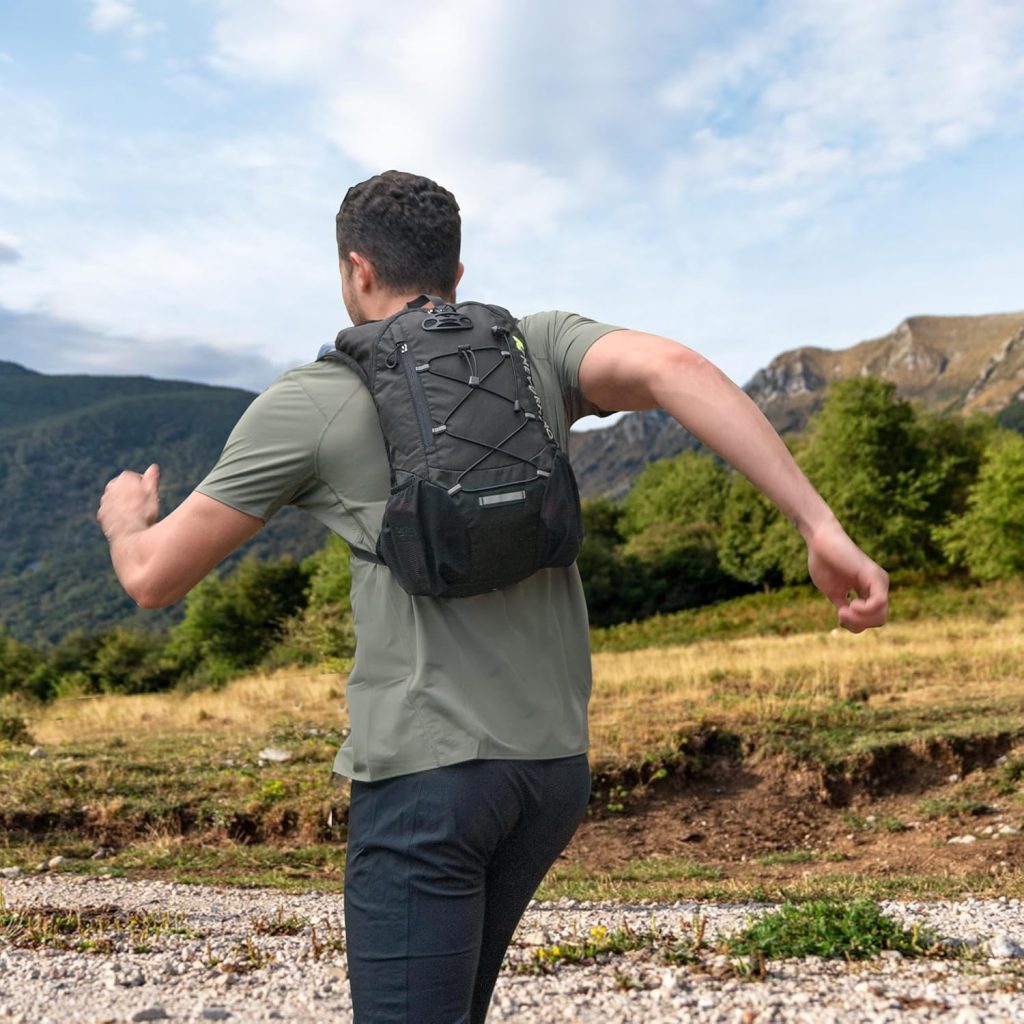
If you’ve ever felt your thighs burning halfway up a climb, you already know that hiking upward wakes up muscles you might not use every day. It’s a complete workout, especially for your lower body and core. Let’s break down the key muscle groups that work hardest on the way up.
Quadriceps (Front of Your Thighs)
These are your main climbing engines. Every time you lift your foot to step higher, your quadriceps contract to extend your knee and push you upward. They’re responsible for that strong, steady drive that keeps you moving when the trail tilts skyward.
Hamstrings (Back of Your Thighs)
While the quadriceps lift you, your hamstrings help control your pace and balance, especially on uneven or rocky ground. They also work hard when you descend, preventing your knees from taking all the strain.
Glutes (Your Powerhouse)
Your glutes, or the muscles in your buttocks, are the secret to smooth, strong climbing. They stabilize your hips and provide explosive power on steep ascents. Engaging your glutes properly can make uphill hiking feel smoother and reduce strain on your knees.
Calves (Back of the Lower Legs)
Your calves help lift your heels and push your body forward with each step. They also play a huge role in balance and shock absorption, especially on uneven terrain.
Core Muscles
Your abdominals and lower back muscles stabilize your body as you climb. A strong core helps you stay upright, maintain good posture, and keep your pack steady on steep sections.
Here’s a quick overview of how hiking upward engages your body:
Muscle Activation in Hiking Upward
| Muscle Group | Role in Hiking Upward | How to Strengthen It |
|---|---|---|
| Quadriceps | Extend the knee, lift the body uphill | Squats, step-ups, lunges |
| Hamstrings | Control pace, stabilize stride | Deadlifts, bridges, hamstring curls |
| Glutes | Power the ascent, stabilize hips | Glute bridges, stair climbing |
| Calves | Push off and support balance | Calf raises, incline walking |
| Core Muscles | Maintain posture and balance | Planks, mountain climbers |
(Data compiled from ACE Fitness & REI Co-op Training Resources, 2024)
The beauty of hiking upward is that it trains these muscles naturally. You don’t need fancy equipment, the trail itself becomes your gym. Over time, your legs grow stronger, your balance improves, and your steps become lighter and more controlled.
If you hike regularly, you’ll soon notice a difference in daily life too. Climbing stairs feels easier, your posture improves, and you’ll have more stamina for other outdoor adventures. Hiking upward is nature’s version of strength training , and it’s a lot more fun than a treadmill.
Mastering the Technique: How to Hike Upward Efficiently
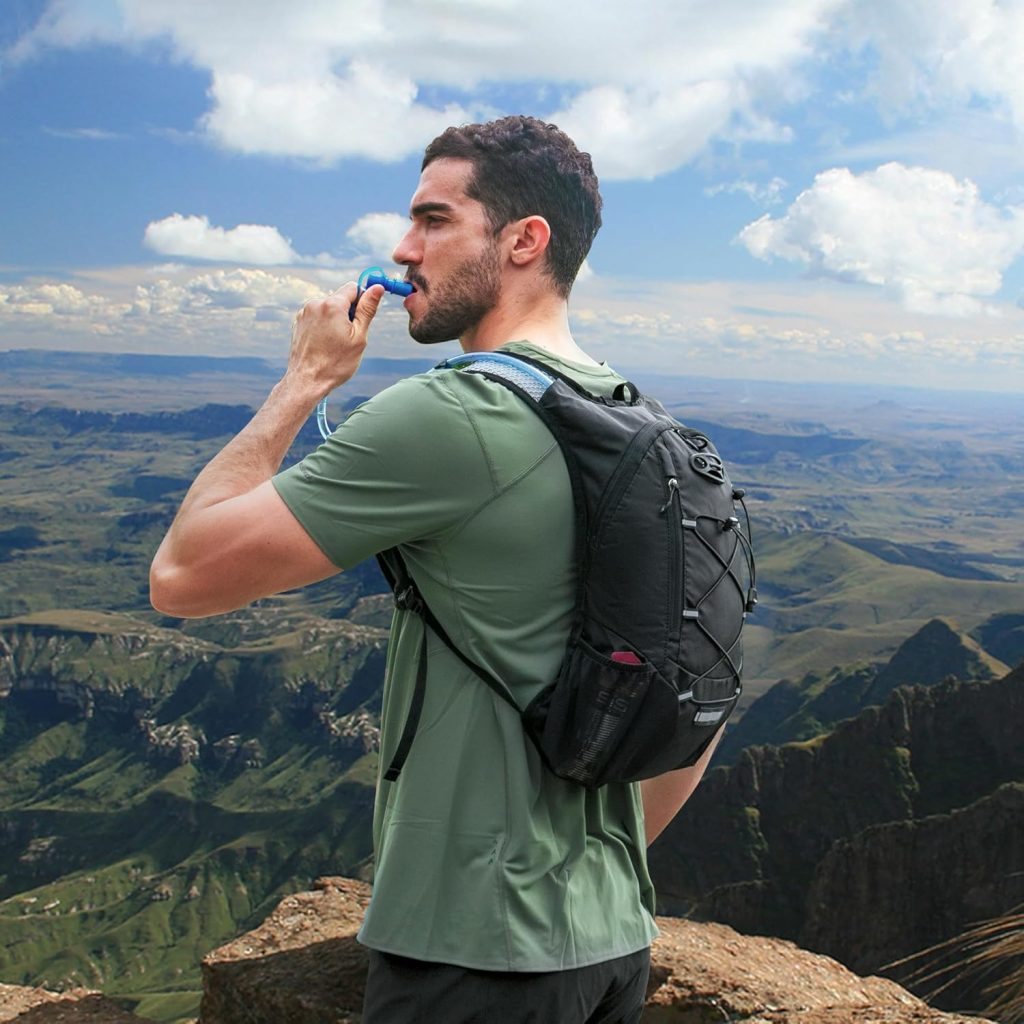
When you first start hiking upward, it’s easy to make the mistake of charging up the hill too fast. You feel energetic at the base, take long strides, and within minutes you’re out of breath. Efficiency is the key to making uphill hiking feel natural and enjoyable. Here’s how to do it right.
1. Shorten Your Stride
Think small, steady steps rather than long lunges. Shorter strides help conserve energy and reduce strain on your knees and hips. It’s like shifting to a lower gear when cycling uphill, you move slower, but it feels smoother and more sustainable.
2. Keep a Steady Pace
Your rhythm matters more than your speed. A consistent pace helps regulate your breathing and keeps your heart rate manageable. Try to walk at a speed that allows you to hold a conversation without gasping. If you can talk but not sing, you’re in the right zone.
3. Maintain Good Posture
Lean slightly forward from your ankles, not your waist. Bending too far forward puts stress on your back and reduces oxygen intake. Keep your chest open and shoulders relaxed. This allows for deeper breathing and better balance.
4. Use Trekking Poles
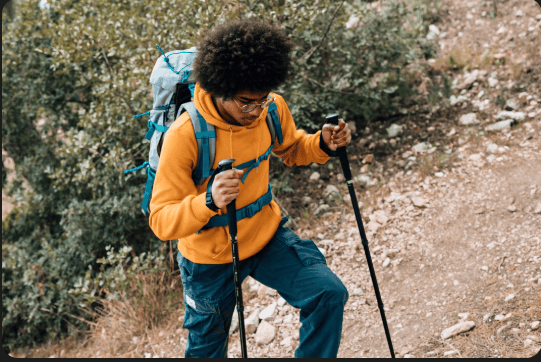
Trekking poles are more than just accessories. They take pressure off your knees, engage your upper body, and help you stay balanced on steep terrain. Adjust them so your elbows form a 90-degree angle when you hold them on flat ground. Explore our curated collection of 7 Best Trekking Poles for Rocky Terrain in 2026: Top Picks for Adventurers
5. Breathe with Purpose
It’s easy to forget breathing when you’re focusing on your steps. Try rhythmic breathing, inhale for two steps, exhale for two steps. This pattern keeps your oxygen intake steady and helps your body adapt to elevation changes.
6. Take Breaks Strategically
Rest when you need to, but keep breaks short and intentional. Stop at scenic points to catch your breath, hydrate, or take photos. Avoid sitting down for too long, your muscles can tighten, making it harder to get moving again.
7. Mind Your Descent
Remember, what goes up must come down. Descending requires just as much attention as climbing. Keep your knees slightly bent, use your poles for support, and take small, controlled steps to protect your joints.
(References: National Outdoor Leadership School, 2023; REI Expert Advice, 2024)
Pro Tip: Many experienced hikers use the “rest step” technique, pausing briefly with a straightened leg after each step. It gives your muscles a micro-break and conserves energy on steep climbs.
Mastering uphill technique isn’t about racing to the top. It’s about finding your flow, that steady rhythm where your breath, body, and movement work together effortlessly. When you get it right, even the toughest trails start to feel surprisingly doable.
Essential Gear for Hiking Upward
The right gear doesn’t just make you look like a seasoned hiker, it makes the climb safer, smoother, and much more comfortable. When hiking upward, your body works harder, so every ounce of comfort and efficiency matters. Here’s what to bring.
1. Footwear Built for the Climb
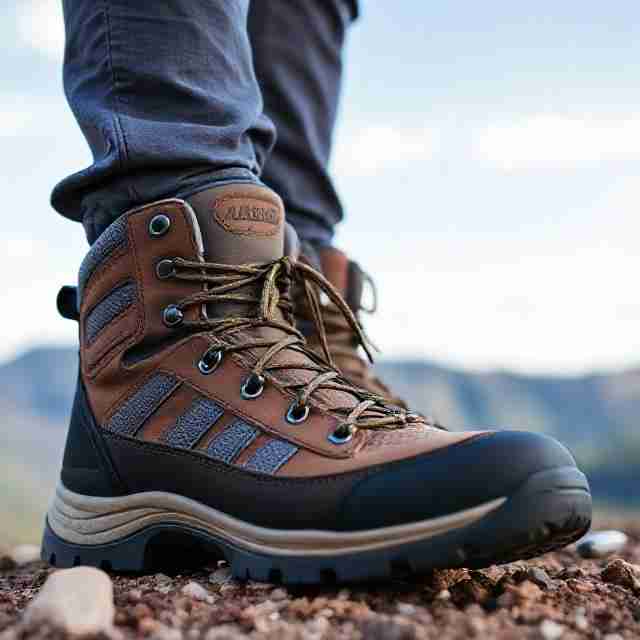
Start with sturdy, supportive hiking boots or trail shoes that provide good grip and ankle stability. Look for soles with deep traction patterns for better control on loose gravel or muddy trails. A snug but not tight fit prevents blisters and helps you feel confident with each step.
Pro Tip: Lightweight hiking shoes are fine for moderate slopes, but for rocky or uneven terrain, mid- or high-ankle boots are your best friend.
Discover the 8 Best Waterproof Hiking Shoes for Women in 2026 or 14 Best Hot Weather Hiking Boots That Keep Feet Cool and Supported
2. Clothing Layers for Changing Conditions
As you climb higher, temperatures often drop, and wind can pick up. Layering is the golden rule:
- A moisture-wicking base layer to keep sweat away.
- A breathable mid-layer like fleece for warmth.
- A waterproof and wind-resistant outer shell for protection.
Avoid cotton; it traps moisture and chills quickly when you stop moving.
3. Trekking Poles
If you haven’t tried them yet, trekking poles can completely change your hiking experience. They help distribute weight evenly, reduce pressure on your knees, and improve balance, especially on steep trails or rocky paths.
4. Hydration System
Hydration is crucial when hiking upward. A hydration bladder lets you sip water without stopping, keeping you consistently hydrated. Add electrolytes to your water if you’re climbing in hot weather, you’ll lose minerals faster through sweat.
5. Snacks and Nutrition
Your body burns more calories during uphill climbs. Bring quick, energy-rich snacks like nuts, trail mix, energy bars, or dried fruit. Eating small amounts every hour helps maintain steady energy levels.
6. Backpack Fit
Choose a lightweight, well-fitted hiking backpack with adjustable straps. A good pack distributes weight evenly across your hips and shoulders. Look for features like a padded hip belt, ventilation panel, and hydration sleeve.
7. Optional Gear That Helps
- Gaiters: Keep dirt and small rocks out of your boots.
- Hiking gloves: Protect your hands when using poles.
- Hat and sunglasses: Shield you from glare and heat.
- Navigation tools: Map, compass, or GPS app like Gaia or AllTrails.
(References: REI Gear Guide 2024; Backpacker Magazine, 2023)
When your gear fits well and functions properly, you can focus entirely on the trail. Hiking upward becomes less about discomfort and more about rhythm, breath, and the satisfaction of steady progress.
Exciting read: 8 Best Backpacks for Carrying Hiking Gear
How to Train for Hiking Upward

Hiking upward takes a mix of strength, endurance, and balance. Even if you hike regularly, uphill trails demand more from your legs, lungs, and heart. The good news is you don’t need to climb mountains every week to prepare, a few smart training habits at home or at the gym can make all the difference.
1. Build Leg Strength
Your legs do most of the heavy lifting when you’re hiking uphill. Focus on exercises that mimic the movement of climbing:
- Step-ups: Use a sturdy platform or bench. Step up with one leg, then the other, and repeat for several sets.
- Lunges: Forward and reverse lunges strengthen your quads, hamstrings, and glutes while improving balance.
- Squats: Regular squats and jump squats build power for steeper ascents.
Aim to train your lower body at least two to three times a week. Gradually increase the intensity as your muscles adapt.
2. Strengthen Your Core
A strong core helps you maintain posture and stability while climbing with a pack. Try:
- Planks (front and side)
- Mountain climbers
- Leg raises or bicycle crunches
Doing short but consistent sessions a few times a week improves your balance and reduces the risk of fatigue or back pain during hikes.
3. Improve Cardio Endurance
Hiking upward raises your heart rate quickly, especially at higher elevations. Build cardiovascular endurance with:
- Stair climbing: Simple but incredibly effective.
- Incline treadmill walks: Mimic uphill movement when you can’t hit the trail.
- Cycling or jogging: Helps improve stamina and lung capacity.
Start with 30 minutes of cardio three times a week, then increase as your endurance improves.
4. Practice on Local Trails
No training beats the real thing. Find small hills, staircases, or parks near you that have elevation. Even 15–20 minutes of uphill walking helps your body get used to incline movement and prepares your muscles for longer climbs.
5. Add Weight Gradually
If you plan to hike with a backpack, practice carrying a light pack during your training walks. Gradually increase the weight over time to simulate real trail conditions.
(Reference: National Strength and Conditioning Association, 2023)
Training doesn’t have to be complicated, consistency is what matters. Think of it as a gradual buildup. The more you practice controlled, efficient movement on inclines, the more natural hiking upward will feel.
Tips for Managing Steep Terrain and Altitude
Climbing steep slopes or hiking at higher altitudes can challenge even experienced hikers. The air thins, your heart works harder, and every step can feel heavier. But with the right techniques, you can handle these challenges confidently.
1. Pace Yourself
On steep terrain, slow and steady truly wins the race. Don’t rush at the start, it’s better to keep a comfortable, consistent pace than to burn out early. Use the “rest step” technique, pausing briefly with one leg straight before taking the next step. This helps conserve energy.
2. Control Your Breathing
Deep, rhythmic breathing helps maintain oxygen flow to your muscles. Inhale deeply through your nose for two steps, exhale through your mouth for two steps. This rhythm keeps your pace steady and reduces shortness of breath.
3. Hydrate and Eat Smart
Dehydration hits faster when you’re hiking upward. Sip water often, even if you don’t feel thirsty. Eat small, energy-rich snacks every hour, your body needs fuel for long climbs. Combine carbs for energy (like dried fruit) with protein or fats (like nuts).
4. Take Breaks at Natural Points
Use switchbacks, scenic overlooks, or flatter sections as rest points. Keep breaks short (around five minutes) to prevent your muscles from cooling down too much.
5. Acclimate to Altitude Gradually
If you’re hiking above 2,500 meters (about 8,000 feet), give your body time to adjust. Spend a day or two at a moderate elevation before attempting strenuous climbs. Signs of altitude sickness include dizziness, headache, and nausea, if they appear, descend immediately.
(Source: Centers for Disease Control and Prevention, 2024)
6. Use Proper Technique on Steep Terrain
On steep slopes:
- Keep your center of gravity low by leaning slightly forward.
- Place your full foot on the ground avoid stepping just on your toes.
- Engage your glutes and core to stabilize your steps.
- Zigzag slightly on extremely steep sections to reduce effort.
Descending is just as important:
- Keep knees soft, not locked.
- Use trekking poles to absorb shock.
- Take smaller steps and keep your weight slightly backward for control.
Hiking upward in steep or high-altitude environments is more mental than physical. Respect your limits, listen to your body, and focus on steady progress. Every small push upward builds endurance and confidence for future hikes.
Common Mistakes When Hiking Upward
Even experienced hikers make mistakes on steep climbs. Knowing what to avoid can save you energy, prevent injuries, and make your hikes far more enjoyable. Here are some of the most common uphill hiking errors, and how to fix them.
1. Starting Too Fast
It’s easy to get excited at the trailhead and set off quickly, but this almost always leads to early fatigue. Begin slower than you think you need to, especially in the first 15–20 minutes. Let your muscles and breathing find their rhythm before pushing harder.
2. Overstriding
Long steps might feel powerful, but they waste energy and strain your knees. Keep your strides short and steady. Your body moves more efficiently this way, especially on longer climbs.
3. Ignoring Hydration
Many hikers underestimate how much water they lose while hiking upward. Even cool-weather climbs can lead to dehydration. Sip regularly rather than waiting until you feel thirsty. Add electrolyte tablets or powders to your water for extra balance.
4. Wearing the Wrong Footwear
The wrong shoes can turn a great hike into a painful one. Avoid sneakers or sandals; they lack grip and ankle support. Proper hiking boots or trail shoes make a huge difference in both safety and comfort.
5. Carrying Too Much Weight
An overloaded backpack can slow you down and strain your back. Pack light, take only what you truly need. Distribute weight evenly, keeping heavier items close to your spine for balance.
6. Skipping Warm-Up or Stretching
Cold muscles tire faster and are more prone to cramps. Take five minutes before the hike to stretch your calves, quads, and hips. Gentle warm-ups like marching in place or light jogging help your body prepare for the incline.
7. Neglecting Downhill Technique
Many hikers focus only on the climb and rush downhill, which often leads to knee pain or slips. Descend with care, bend your knees slightly and use trekking poles for stability.
(References: American Hiking Society, 2023; REI Expert Advice, 2024)
Avoiding these mistakes turns a tough uphill hike into a manageable, even enjoyable experience. The more mindful you are of your pace, posture, and preparation, the more confident you’ll feel on every ascent. Hiking upward isn’t about being the fastest, it’s about mastering control, awareness, and respect for your body and the trail.
Best Destinations and Trails for Hiking Upward
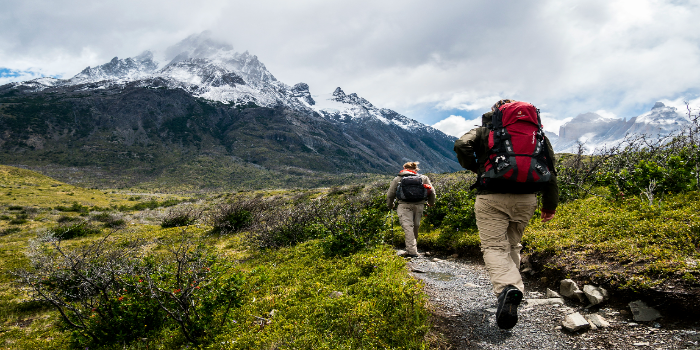
Every hiker dreams of that perfect uphill trail, one that challenges your legs, rewards your spirit, and leaves you with a view you’ll never forget. The beauty of hiking upward is that you can find amazing climbs almost anywhere, from gentle hills to rugged mountain routes. Below are some of the best destinations across the world (and a few easier options) where hiking upward truly comes to life.
1. Mount Whitney Trail – California, USA
This iconic trail is one of the most well-known upward hikes in North America. It rises to 4,421 meters (14,505 feet), making it the highest peak in the continental United States. The trail offers a demanding but breathtaking experience, with views of alpine lakes and rugged Sierra Nevada landscapes.
(Reference: U.S. Forest Service, 2024)
2. Inca Trail – Peru
For hikers looking to blend challenge with history, the Inca Trail is a must. The route climbs through ancient stone steps, misty cloud forests, and high passes before reaching the majestic Machu Picchu. The upward sections here test your endurance but reward you with one of the most awe-inspiring sights in the world.
(Reference: UNESCO World Heritage Centre, 2023)
3. Kilimanjaro – Tanzania
Mount Kilimanjaro is the tallest free-standing mountain on Earth and one of the most iconic upward hikes. Climbers pass through multiple ecosystems, from rainforest to alpine desert, before reaching the icy summit. It’s less of a technical climb and more about endurance, making it a dream challenge for ambitious hikers.
(Source: National Geographic Adventure, 2023)
4. Ben Nevis – Scotland
If you’re hiking in the UK, Ben Nevis offers a beautiful mix of challenge and accessibility. The “Mountain Track” route rises to 1,345 meters (4,413 feet) with sweeping views of the Scottish Highlands. On clear days, you can see all the way to the Isle of Skye.
5. Table Mountain – South Africa
Located above Cape Town, Table Mountain is famous for its steep upward trails and rewarding summit views. The Platteklip Gorge route, while short, packs a serious incline. The cable car down is optional, but after that climb, it’s a welcome ride.
6. Mount Fuji – Japan
Mount Fuji is not just a mountain; it’s a cultural symbol of Japan. The climb to its 3,776-meter peak attracts thousands of hikers every summer. Trails are well-marked, but the elevation gain is real, it’s an upward journey that combines endurance, tradition, and breathtaking scenery.
7. Beginner-Friendly Uphill Hikes
Not every upward hike has to be extreme. If you’re new to elevation trails, start with smaller climbs:
- Runyon Canyon, California: Short but steep, great for building stamina.
- Arthur’s Seat, Edinburgh: A volcanic hill offering city views with moderate effort.
- Mount Takao, Japan: Accessible by train from Tokyo with a manageable incline and forest paths.
(Reference: Lonely Planet Hiking Guide, 2024)
Why These Trails Matter
These trails showcase the diversity of hiking upward, from gradual slopes to steep summits, from tropical jungles to snowy peaks. What they all have in common is the sense of progress. Every upward step connects you deeper to the land, your body, and the moment.
Final Thoughts: The Reward of Hiking Upward
Every hiker remembers their first real climb, the moment they looked up at a hill or mountain and thought, Can I really make it to the top? Then, after a few deep breaths and determined steps, they did. Hiking upward is more than a workout; it’s a quiet lesson in patience, persistence, and perspective.
Each climb teaches you something new, how to breathe through discomfort, how to pace your effort, how to find calm in the steady rhythm of your steps. It’s not always easy, but that’s the point. The struggle gives meaning to the summit. And once you reach it, standing above the trees and clouds, everything below feels different, smaller, lighter, simpler.
The beauty of hiking upward is that it’s for everyone. You don’t need to be an athlete or climb the highest mountain. You just need curiosity and the willingness to take that first upward step. Whether it’s a local hill or a faraway peak, each climb adds a new story to your journey as a hiker.
So, next time you lace up your boots and look at a trail that climbs toward the sky, remember: it’s not about speed or perfection. It’s about the experience, the heartbeat of the climb, the stillness of the forest, and the feeling of strength you carry home. Because every time you hike upward, you rise a little higher, both in body and in spirit.