You’re staring at a pair of combat boots in your closet, wondering if they’ll work for that weekend hike you’ve been planning. Maybe you served in the military and trust these boots with your life. Or perhaps you scored a great deal on surplus gear and don’t want to drop another $150 on hiking boots. I get it. The question “are combat boots good for hiking” pops up constantly in outdoor forums, and for good reason.
Here’s the straight answer: Combat boots can work for casual, short hikes on easy terrain, but they’re far from ideal for serious hiking. They’re heavier, less breathable, and lack the specialized features that make hiking boots comfortable over long distances. If you already own a broken-in pair and you’re just hitting a 3-mile trail on Saturday, you’ll probably survive. But if you’re planning anything more challenging, your feet will thank you for choosing actual hiking boots.
Let me walk you through everything I’ve learned from years on the trail and from watching countless hikers learn this lesson the hard way. We’ll dig into what makes these boots different, when combat boots might actually work, and when they’ll turn your hike into a miserable slog.
Understanding What Makes Combat Boots Different
Before we talk about whether combat boots are good for hiking, we need to understand what they were actually designed to do. Combat boots weren’t created with scenic mountain trails in mind. They were engineered for soldiers who need footwear that can handle everything from urban operations to desert patrols while carrying 60+ pounds of gear.
The military prioritizes different things than hikers do. A soldier needs boots that won’t fall apart when crawling through rubble or walking 20 miles on pavement. Durability trumps everything else. According to research from the U.S. Army Research Institute of Environmental Medicine, military boots are designed primarily for load carriage and protection in varied operational environments, not repetitive forward motion on natural terrain.
Hiking boots, on the other hand, evolved specifically for trails. Every design choice focuses on making your feet happy during long days of walking uphill and downhill on dirt, rocks, and roots. Modern hiking boots use specialized rubber compounds for grip, strategic cushioning for shock absorption, and materials chosen specifically for breathability on warm days.
The weight difference alone tells the story. Standard military combat boots typically weigh between 2 to 3 pounds per boot. Compare that to modern hiking boots, which usually clock in around 1 to 1.5 pounds per boot. That extra pound or two might not sound like much, but there’s an old hiking saying: one pound on your feet equals five pounds on your back. Over a 10-mile hike, you’re essentially lifting those extra pounds thousands of times.
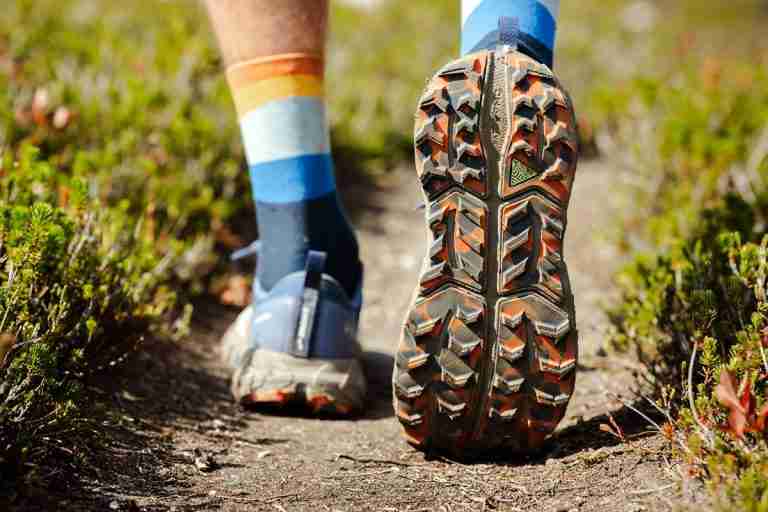
The sole construction differs dramatically too. Combat boots have thick, stiff soles built to last through punishment. Hiking boots use more flexible soles that allow your foot to roll naturally with each step, reducing fatigue. The tread patterns are different as well. Combat boot treads handle pavement and hard-packed surfaces well, but they’re not optimized for the mud, wet rocks, and loose dirt you’ll encounter on trails.
The Surprising Advantages Combat Boots Bring to the Trail
I’ll give credit where it’s due. Combat boots do have some genuine advantages that make them tempting for hiking, especially if you’re on a budget or already own a pair.
They’re Built Like Tanks
Combat boots are absurdly durable. The full-grain leather construction and reinforced stitching can handle serious abuse. I’ve seen 20-year-old military boots that still have plenty of life left in them. If you take care of them properly, they might outlast several pairs of hiking boots. For someone who hates buying new gear every few years, that’s genuinely appealing.
Ankle Support Is No Joke
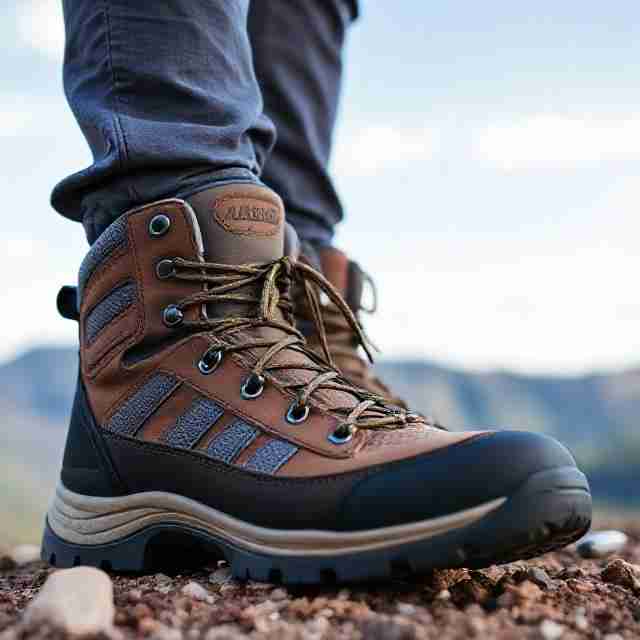
The high-cut design provides solid ankle support, which matters when you’re navigating uneven terrain or carrying a heavy pack. Military boots lock your ankle in place, reducing the risk of rolls and twists. For hikers with previous ankle injuries or those who feel unstable on trails, this rigid support can provide confidence. The support structure in combat boots has been refined over decades of military use, and it shows.
Your Wallet Will Thank You
Let’s talk money. Quality hiking boots from brands like Salomon, Merrell, or Lowa can easily run $150 to $300. Military surplus stores sell combat boots for $30 to $80, sometimes even less. If you’re already in the military or law enforcement and have issued boots sitting in your closet, you’re looking at zero additional cost. For casual hikers who only hit the trails a few times per year, spending hundreds on specialized footwear feels excessive.
Break-In Time Matters Less
If you’ve already broken in your combat boots through daily wear or military service, you’ve cleared one of the biggest hurdles. Breaking in stiff leather boots is genuinely painful, but if that’s already behind you, you’re starting with a significant advantage over buying new hiking boots that need weeks of wear to feel comfortable.
Where Combat Boots Fall Short on the Trail
Now for the reality check. The disadvantages of using combat boots for hiking aren’t minor inconveniences. They’re legitimate problems that can ruin your outdoor experience.
The Weight Will Wear You Down
I cannot overstate how much that extra weight matters. When I first started hiking, I made the mistake of wearing heavy boots on a 12-mile day hike. By mile 8, my legs felt like concrete. Every step required noticeably more effort than my friend wearing lightweight hiking shoes. Research published in the Journal of Sports Sciences found that reducing footwear mass by 100 grams can improve running economy by approximately 1%, and similar principles apply to hiking efficiency.
Over the course of a full day on the trail, lifting those extra pounds thousands of times adds up to genuine fatigue. You’ll feel it in your calves, your thighs, and your lower back. What should feel like an enjoyable hike becomes an endurance challenge.
Your Feet Will Turn Into Swamps
Breathability is where combat boots really struggle. Military boots are built with durability and protection in mind, not ventilation. Most combat boots use thick leather with minimal mesh panels. On a warm day, your feet will sweat profusely with nowhere for that moisture to escape.
I’ve talked to former soldiers who confirm this is a known issue even in military contexts. Wet feet mean blisters, plain and simple. Your skin softens, friction increases, and before you know it, you’re limping down the trail with hot spots that feel like someone’s holding a lighter to your heel. Modern hiking boots often incorporate waterproof-breathable membranes like Gore-Tex that let moisture vapor escape while keeping external water out. Combat boots rarely have this technology.
Traction Isn’t Trail-Specific
The outsoles on combat boots work fine on hard surfaces, but they’re not optimized for the variety of surfaces you encounter hiking. Wet rocks, muddy slopes, and loose gravel all require specific tread patterns and rubber compounds. Hiking boot manufacturers like Vibram spend millions developing rubber compounds that grip in different conditions.
Combat boots use harder rubber that lasts longer but provides less grip on technical terrain. I’ve watched people in combat boots slip on wet roots and struggle on steep descents where my hiking boots provided confident traction. When you’re thousands of feet up a mountain, grip matters for safety, not just convenience.
Comfort Takes a Back Seat
Combat boots are stiff. Really stiff. That rigidity provides support, but it also fights against the natural flex of your foot with each step. Your foot wants to roll smoothly from heel to toe. Combat boots resist this motion, creating pressure points and increasing the energy required for each step.
The cushioning systems in combat boots are also minimal compared to hiking boots. Modern hiking footwear incorporates EVA foam, polyurethane midsoles, and other technologies specifically designed to absorb the repetitive impact of thousands of steps. Combat boots have padding, but it’s not engineered for the same purpose.
Missing the Hiking-Specific Features
When you choose combat boots for hiking, you’re giving up a lot of specialized technology. No waterproof-breathable membranes means your feet get wet and stay wet. No advanced cushioning systems means more fatigue. No trail-specific tread means less grip. No modern fit systems means a less precise, potentially sloppier fit that causes blisters.
These aren’t luxury features. They’re the difference between finishing a hike feeling accomplished and finishing it feeling destroyed.
When Combat Boots Might Actually Work
I’m not here to say combat boots are completely useless for hiking. There are specific situations where they’re a reasonable choice, even if they’re not optimal.
Short, Easy Trails Are Fair Game
Planning a casual 2 to 4 mile hike on a well-maintained trail? Combat boots will get you through it. If the terrain is relatively flat, the trail is wide and smooth, and you’re not pushing for distance or speed, the disadvantages of combat boots matter less. You’re not out there long enough for the weight to exhaust you, and simple terrain doesn’t require specialized traction.
Urban Hiking and Easy Terrain
Some “hiking” is really just walking on improved paths through parks or nature centers. If you’re on crushed gravel paths or boardwalks, combat boots work perfectly fine. They’re actually overbuilt for this type of activity, which means you’ll have no problems at all.
When You Already Own Broken-In Boots
If you’ve got a comfortable pair of combat boots that fit well and you’re only hiking occasionally, it’s hard to justify dropping significant money on hiking boots. Use what you have for short adventures, save up, and invest in proper hiking footwear when you’re ready to tackle more challenging terrain.
Cold Weather Considerations
Here’s one area where combat boots might actually have an edge. Many military boots are insulated for cold weather operations. If you’re hiking in winter conditions or snowy terrain, that insulation could be beneficial. Just be aware that same insulation becomes a liability in warm weather.
The Former Military Advantage
If you spent years in the military wearing the same boots daily, you’ve adapted to them in ways most people haven’t. Your feet are conditioned, you know how to prevent blisters with them, and you’re comfortable with the weight. You might genuinely perform better in familiar combat boots than in new hiking boots you’re still breaking in. That familiarity has real value.
When You Should Absolutely Skip Combat Boots
Some hiking situations simply demand proper footwear. Trying to use combat boots in these scenarios is asking for problems.
Long Distance Is a No-Go
Planning anything over 8 to 10 miles? Leave the combat boots at home. The cumulative fatigue from the extra weight will catch up with you. I’ve never seen someone finish a 15-mile hike in combat boots without complaining bitterly about their feet. The weight and stiffness over long distances is genuinely punishing.
Technical Terrain Requires Real Hiking Boots
Scrambling over rocks, navigating steep descents, or crossing streams all require the traction and flexibility that hiking boots provide. Combat boots are too stiff for technical footwork and don’t provide reliable grip on challenging surfaces. The safety risk outweighs any cost savings.
Hot Weather Is Miserable
Hiking in summer heat or humid conditions with combat boots is a recipe for blisters and discomfort. The lack of breathability becomes unbearable. I’ve seen people have to cut hikes short because their feet were so swampy and painful in non-breathable boots. It’s just not worth it.
Multi-Day Backpacking
If you’re carrying a full pack for multiple days, you need footwear designed for that purpose. The weight of combat boots compounds over several days of hiking, and the comfort issues that are tolerable for a few hours become intolerable over multiple days. Backpacking boots are specifically engineered for load-bearing over extended periods.
Significant Elevation Changes
Steep climbs and descents expose all the weaknesses of combat boots. Going uphill, the weight drags you down. Going downhill, the traction limitations and stiff soles make it harder to control your descent. Your knees will take extra punishment from both the weight and the poor shock absorption.
Better Alternatives Worth Considering
If you’re reading this and realizing combat boots aren’t the answer, what should you actually buy for hiking?
Lightweight Hiking Boots Hit the Sweet Spot
Modern lightweight hiking boots give you ankle support without the excessive weight of traditional boots or combat boots. Brands like Merrell Moab, Salomon X Ultra, and Keen Targhee offer boots in the 1 to 1.5 pound range with all the features you need for day hiking. These typically cost $120 to $180 but make a massive difference in comfort.
Mid-Cut Hiking Shoes for Moderate Trails
If you don’t need full ankle coverage, mid-cut hiking shoes provide support around the ankle while being even lighter than boots. They’re perfect for maintained trails without heavy loads. The extra mobility compared to high-cut boots reduces fatigue on moderate terrain.
Trail Runners for Fast and Light
The ultralight hiking movement has proven that many hikers don’t need heavy boots at all. Trail running shoes offer minimal weight, maximum breathability, and excellent traction. They’re not for everyone, especially if you need more ankle support or carry heavy packs, but they’re worth considering if you have strong ankles and prefer moving quickly.
Real Backpacking Boots for Heavy Loads
If you’re planning serious backpacking with a 40+ pound pack, you need boots designed for heavy load carriage. Brands like Asolo, Scarpa, and Lowa make traditional backpacking boots that provide the support you need without the drawbacks of combat boots. They’ll cost $200 to $350, but they’re engineered specifically for what you’re asking them to do.
What Actually Matters in Hiking Footwear
When shopping for hiking boots or shoes, focus on these key features. First, the sole should use quality rubber compounds like Vibram or Continental that provide reliable traction. Second, look for appropriate waterproofing, whether that’s full Gore-Tex for wet conditions or water-resistant treatment for occasional moisture. Third, consider the weight-to-support ratio. More support is better only if it doesn’t come with excessive weight. Fourth, ensure the boots have genuinely breathable materials, not just marketing claims. Finally, check that the tread pattern looks aggressive and designed for varied terrain, not just hard surfaces.
Budget Options That Still Beat Combat Boots
You don’t need to spend $300 to get decent hiking boots. Brands like Hi-Tec, Columbia, and Merrell’s budget lines offer solid options in the $70 to $100 range. These won’t have all the premium features of expensive boots, but they’re still designed specifically for hiking and will outperform combat boots. Watch for sales at REI, Backcountry, and other outdoor retailers where you can often find last year’s models at significant discounts.
Making Combat Boots Work If You Insist
Maybe you’re committed to using combat boots despite everything I’ve said. Fair enough. Here’s how to minimize the downsides.
Invest in Quality Insoles
The factory insoles in combat boots are usually minimal. Replacing them with aftermarket insoles designed for hiking can dramatically improve comfort. Look for insoles with arch support and cushioning like Superfeet or Currex. This $40 upgrade won’t fix all the problems, but it helps significantly with shock absorption and comfort.
Master Your Sock Strategy
Moisture management starts with your socks. Use moisture-wicking hiking socks made from merino wool or synthetic materials. Never wear cotton socks, which retain moisture and cause blisters. Consider a liner sock system with thin moisture-wicking liners under thicker hiking socks. This two-layer approach reduces friction and helps manage sweat.
Break Them In Properly
Even if you’ve worn combat boots casually, break them in specifically for hiking by taking short walks with gradually increasing distances. Wear the same socks you’ll use hiking. Pay attention to any hot spots or pressure points and address them before your real hike. Some people use leather conditioner to soften stiff areas, though be careful not to compromise the boot’s structure.
Waterproofing Treatment Helps
Many combat boots aren’t originally waterproof. Treating the leather with products like Nikwax or mink oil can improve water resistance. This won’t create a waterproof membrane like Gore-Tex, but it’ll help keep your feet drier when crossing streams or hiking in light rain. Reapply treatment regularly as it wears off.
Start Small and Be Realistic
Don’t make your first hike in combat boots a challenging 12-miler. Start with short 2 to 3 mile hikes and honestly assess how your feet feel afterward. If you’re getting blisters or significant fatigue on easy trails, that’s your sign that combat boots aren’t going to work for more serious hiking. Listen to your body rather than pushing through discomfort.
Combat Boots vs Hiking Boots: Quick Comparison
Here’s a comprehensive comparison table you can reference when deciding between combat boots and hiking boots for your next adventure:
| Feature | Combat Boots | Hiking Boots | Winner |
|---|---|---|---|
| Average Weight (per boot) | 2-3 lbs | 1-1.5 lbs | Hiking Boots |
| Breathability | Poor (minimal ventilation) | Excellent (mesh panels, membranes) | Hiking Boots |
| Durability | Excellent (10-20+ years) | Good (3-5 years typical) | Combat Boots |
| Traction on Trails | Fair (hard rubber, basic tread) | Excellent (specialized compounds) | Hiking Boots |
| Cost | $30-80 (surplus), $120-180 (new) | $70-300 | Combat Boots |
| Break-In Period | Long (2-4 weeks of painful wear) | Moderate (few days to 2 weeks) | Hiking Boots |
| Ankle Support | Excellent (rigid structure) | Good to Excellent (flexible support) | Tie |
| Cushioning | Minimal | Advanced (EVA, PU systems) | Hiking Boots |
| Waterproofing | Variable (often none) | Excellent (Gore-Tex options) | Hiking Boots |
| Flexibility | Very stiff | Moderate (allows natural foot flex) | Hiking Boots |
| Best Use Case | Short hikes, flat terrain, cold weather | All hiking conditions and distances | Hiking Boots |
| Blister Risk | High (poor breathability, stiffness) | Low to Moderate | Hiking Boots |
Data Sources: Weight and durability data compiled from manufacturer specifications of popular models including Bates GX-8, Belleville 390, Merrell Moab 3, and Salomon X Ultra 4. Performance ratings based on outdoor gear reviews from GearLab, REI Expert Advice, and trail user feedback from 2020-2024.
The Bottom Line on Combat Boots for Hiking
So are combat boots good for hiking? The honest answer is they’re acceptable for casual, short hikes but genuinely inferior to proper hiking footwear for anything more serious. If you already own comfortable combat boots and you’re just getting started with hiking on easy trails, use them and see how it goes. But don’t expect them to perform like real hiking boots.
The hiking community has spent decades refining footwear technology for good reasons. The weight savings, breathability, traction, and comfort features in hiking boots aren’t marketing hype. They’re real advantages you’ll appreciate on every hike. I’ve guided enough people on trails to recognize the pattern: folks who insist on using combat boots either switch to hiking boots after a few painful experiences or stick to very short, easy trails.
Think of it like this. Could you technically play basketball in combat boots? Sure, you could. But would anyone choose to when basketball shoes exist? Of course not. The same logic applies to hiking. Combat boots can physically get you down a trail, but they’re not built for the job.
If you’re serious about hiking, even just a few times per year, invest in proper footwear designed for the activity. Your feet, legs, and overall experience will improve dramatically. Start with a budget-friendly pair of hiking boots around $100, try them on different trails, and upgrade as you figure out what type of hiking you enjoy most.
And if you’re still determined to hike in combat boots? At least throw in some good insoles, wear proper socks, and stick to shorter trails until you’re absolutely sure they’re working for you. Your feet will tell you the truth pretty quickly. Listen to them.