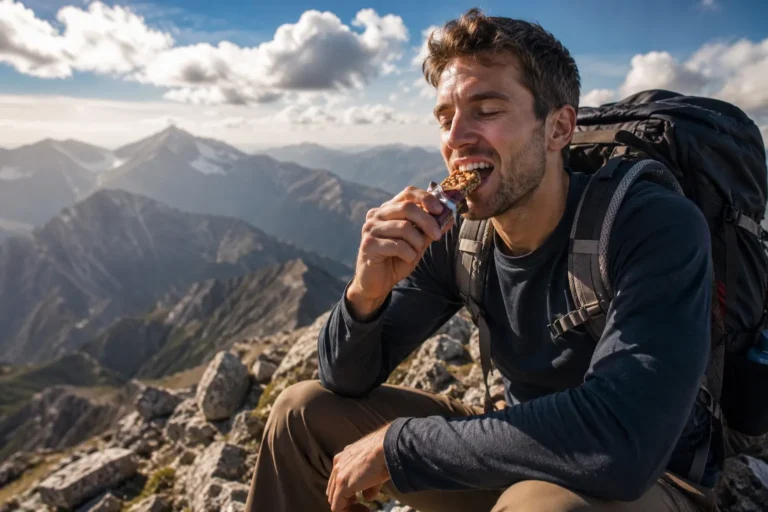

Ever been two hours into a beautiful hike, feeling strong, only to hit a sudden, invisible wall? That feeling where your legs turn to lead, your mood sinks, and the trail seems to stretch out forever, that’s the dreaded “bonk,” and it’s almost always a fuel problem. The secret to avoiding it and keeping your energy high isn’t some complicated trick; it’s simply mastering your nutrition. The very best good hiking snacks are the ones that perfectly balance carbohydrates for quick and sustained power, healthy fats for long term fuel, and protein to keep your muscles happy and your appetite satisfied. Forget the sad, dusty trail mix; we’re going to dive into the science of trail fuel so you can hike stronger, feel better, and enjoy the views instead of counting the miles back to the car.
The Snack as Essential Gear
The Snack That Saves the Day
Hiking, whether it’s a quick jaunt up a local peak or a multi day trek into the wilderness, is fundamentally about moving your body against gravity for an extended period. And your body is a brilliant machine that runs on a very specific fuel, the food you pack. Think of your snacks not as an afterthought, but as non negotiable gear, right next to your headlamp and first aid kit. They are your morale boost, your insurance against low energy, and the key to better recovery.
In this guide, I’m pulling back the curtain on trail nutrition. We’re moving past the basic “grab a granola bar” mentality. As a seasoned hiker, I’ve learned that packing the right food, the truly good hiking snacks, means understanding what your body is asking for and when. We’ll look at portability, weight, and, most importantly, the right blend of macronutrients that will support your muscles and keep your mind sharp for mile after mile. By the end of this, you’ll be packing like a pro and wondering why you ever hiked any other way.
The Science of Trail Fuel: Understanding Macronutrient Balance
To choose the best good hiking snacks, you have to know what work they’re actually doing inside your body. It’s all about the balance of macronutrients, carbohydrates, protein, and fat, which each play a distinct, vital role in your performance.
A. Carbohydrates: The Quick and Slow Burn
Carbohydrates are your body’s primary, most accessible fuel source, especially when you’re exerting yourself. They are essential for fueling your endurance.
1. Simple Carbs (Fast Energy)
These are sugars that hit your bloodstream quickly, giving you a near instantaneous boost. They are your go to fuel for immediate needs, like tackling a steep incline, pushing through the last mile, or just pulling yourself out of a sudden energy dip.
- Examples: Energy chews, honey packets, dried mango slices, or a piece of hard candy. These are perfect for that “emergency” shot of energy.
2. Complex Carbs (Sustained Energy)
These take longer to break down because they contain more fiber and starch. Complex carbohydrates provide a slow, steady release of glucose into your system, preventing the dreaded sugar spike and crash. They are the foundation of your endurance fuel.
- Examples: Whole grain crackers, pretzels, rice cakes, oat bars (look for less added sugar), or a small bagel. These should make up the bulk of your carb intake on the trail.
B. Protein: Muscle Repair and Satiety
Protein isn’t just for bodybuilders; it’s critical for hikers. When you hike for hours, you cause small tears in your muscle fibers. Protein provides the amino acids needed to repair that damage. Crucially, protein also digests slowly, which helps you feel satiated (full) for longer. It keeps those hunger pangs at bay, making those long stretches between major breaks much more comfortable.
- Key Insight: While you don’t need a huge protein shake on the trail, small, regular protein intake helps protect your muscles and keeps you mentally focused.
C. Healthy Fats: Calorie Density and Long Term Fuel
When you’re hiking all day, you burn an enormous amount of calories. The highest calorie density comes from healthy fats. While carbs are the quick-burning wood, fat is the coal, providing slow, dense energy that lasts for hours. This makes fat indispensable for multi day hikes or trekking in cold weather, where you need maximum energy for minimal weight.
- The Calorie Per Ounce King: One gram of fat contains about 9 calories, while a gram of carbs or protein contains only about 4 calories. This makes fatty snacks the most efficient way to carry energy.
D. The Golden Ratio: Eating for Performance
So, what should your plate look like on the trail? The optimal blend varies based on hike intensity and duration, but a general good hiking snack strategy focuses on:
- Carbs: 45–55%
- Fats: 35–40%
- Protein: 10–15%
Aim for snacks that combine at least two of these elements. A handful of almonds (fat, protein, fiber) paired with a few dried apricots (simple and complex carbs) is far superior to just eating sugary candy or pure fat alone. This synergistic approach ensures you get both immediate power and lasting fuel.
Exciting read: Hiking Jokes That Keep You Laughing All the Way to the Summit
Top Tier Good Hiking Snacks: The Expert’s Recommended List
Now that we know the science, let’s get practical. I’ve broken down my favorite trail snacks into categories based on their function, weight, and convenience. These are the snacks that stand up to the rigors of the pack and deliver reliable energy when you need it most.
A. High Energy Density Classics (The Powerhouses)
These snacks offer the best balance of calories per ounce and essential macronutrients. They are the backbone of any serious hiker’s food bag.
1. DIY Trail Mix (The Customizable Blend)
Stop buying the generic stuff, it’s often overloaded with sugar coated candies and cheap oil roasted nuts. Make your own trail mix for superior trail fuel.
- Nuts: Almonds, walnuts, and pecans are excellent for healthy fats and protein.
- Seeds: Pumpkin and sunflower seeds pack essential micronutrients like magnesium and zinc.
- Dried Fruit: Use sparingly for simple carbs; look for unsweetened options (e.g., raisins, dried cranberries, banana chips).
- The Treat: A small amount of melt proof chocolate chips (like dark cocoa nibs or M&Ms in a hot climate) for a mood lift.
2. Nut Butter Squeeze Packs
These are a game changer. Forget carrying a heavy jar and a knife. Squeeze packs (almond, peanut, or even sunflower butter) deliver pure, highly-concentrated fuel in a zero mess package. You get a massive dose of healthy fats and protein in just a few sips.
- Pro Tip: Squeeze it directly into your mouth, or onto a complex carb base like a whole wheat cracker for the perfect balance.
3. Jerky & Meat Sticks
For those savory cravings, nothing beats quality jerky. It’s an exceptional source of high quality protein that prevents muscle soreness. Just be mindful of the ingredients. Many commercial jerky brands are loaded with sodium and sugar.10 Look for naturally smoked, low sugar, and ideally, grass fed varieties.
B. Fresh & Revitalizing Options (For Day Hikes & First Day)
While not ideal for multi week trips due to weight and shelf life, these snacks are perfect for day hikes or as the first day’s fuel on a longer trip, providing satisfying crunch and hydration.
1. Apples and Hard Vegetables
A crisp apple is incredibly refreshing mid hike. Unlike soft fruits that bruise instantly, apples hold up well in a pack. Similarly, carrots, snap peas, and mini bell peppers offer crunch, fiber, and valuable water content.
2. Hard Cheeses
Aged cheeses like sharp cheddar or Gouda are high in fat, protein, and calcium, and they hold up far better than soft cheeses. Simply cube a block and store it in a small, breathable container (or eat it on the first day). This is a fantastic savory alternative to sweet snacks.
C. Homemade & Budget-Friendly Fuel
Save money and control every single ingredient by making your own energy. This is where you can truly tailor the blend to your body’s needs.
1. Energy/Protein Balls
These require zero baking and allow you to perfectly control the macro ratio. A base of rolled oats (complex carbs), mashed dates or honey (simple carbs), nut butter (fat/protein), and a scoop of your favorite protein powder creates a versatile, bite sized powerhouse.
2. Whole Grain Wraps/Pitas
For a heartier snack that feels like a mini meal, a simple whole grain tortilla works wonders. Fill it with a shelf stable protein like a tuna or salmon packet, or use pre powdered hummus mixed with water at the campsite.
Suggested read: 15 Best Children’s Hiking Sandals for Comfort, Grip, and Outdoor Play
Trail Nutrition Data: The Hiker’s Quick Reference
To help you make quick decisions at the grocery store, here’s a simple comparison of energy and weight efficiency for different good hiking snacks. Use this table to prioritize snacks that deliver the most bang for your buck (and pack weight).
| Snack Category | Examples | Primary Function | Calorie Density (Approx. per oz) | Weight Efficiency |
| High Fat/Protein | Almonds, Pecans, Squeeze Butter | Sustained, long-term fuel, muscle support | 160 – 180 | Excellent |
| Simple Carb | Energy Chews, Gummy Bears, Dates | Immediate energy boost, quickly absorbed | 90 – 100 | Good |
| Complex Carb | Hard Pretzels, Crackers, Oat Bar | Stable blood sugar, endurance fuel | 110 – 130 | Very Good |
| Savory Protein | Beef Jerky, Dried Salami | Muscle repair, high satiety | 90 – 110 | Very Good |
| Fresh/Hydrating | Apples, Carrots, Oranges | Hydration, fiber, mood boost | 20 – 30 | Low (heavy) |
Smart Snack Selection and Trail Strategy

The best snacks in the world won’t help you if you eat them all in the first hour or if you’ve packed items that are now a melted, sticky mess. Choosing truly good hiking snacks is only half the battle; the other half is strategic consumption and intelligent packing. This is where we shift from food science to hiking wisdom.
A. Consideration Factors: Planning Your Pack Weight
Before you even load your pack, you need to think about the logistics of your journey.
1. Duration and Intensity
Your snack strategy needs to be dynamic.
- Short Day Hikes (1–3 hours): Focus is less on calorie density and more on convenience and immediate energy. A simple protein bar and an apple might be all you need. You can afford a bit more weight with fresh items.
- Long Day Hikes (4+ hours): This is where the macro balance from Section II is crucial. You need snacks that offer sustained energy and prevent a mid afternoon dip. Focus on the complex carbs and healthy fats we discussed.
- Multi Day Backpacking: Every ounce matters. You must prioritize calorie density (the calories per ounce). This means fresh items are out, and highly concentrated foods like nut butters, dehydrated meals, and dried meat become king.
2. Weather and Climate
Mother Nature doesn’t care about your snack preference.
- Hot Weather: Avoid anything that melts, or you’ll open your pack to chocolate soup. Stick to hard cheeses, dried fruit, nuts, and melt proof chocolate like cocoa nibs. Warm weather hiking also demands extra attention to salty snacks to replace electrolytes.
- Cold Weather: Your body burns more energy trying to stay warm. High fat and complex carbohydrate snacks are essential for maximum heat generation. Energy bars can become brittle and hard to chew, so choose softer, chewier options.
3. Weight Versus Calories (Calorie Density)
This is the golden equation for backpackers: maximizing calories while minimizing weight. If you’re serious about going fast and light, you need to calculate the calorie per ounce of your favorite good hiking snacks. Generally, anything over 100 calories per ounce is excellent (like oil rich nuts), while fresh fruit often falls under 50 calories per ounce (great for day trips, poor for long haul).
B. The Golden Rule of Timing: Eating Every Hour
Many novice hikers make the mistake of eating a huge lunch at the halfway point. By then, your energy reserves are already depleted, and the food takes time to digest and convert into usable fuel.
The expert strategy is grazing, not gorging.
Aim to consume a small amount of fuel, roughly 100 to 200 calories hourly, starting about 30 minutes into your hike. This maintains a steady supply of glucose to your muscles and brain, keeping your blood sugar stable and your energy consistent. Think of it as topping off a small gas tank rather than running it dry and then trying to fill a large one. Set a timer if you need a reminder!
C. Hydration and Electrolytes: The Liquid Snack
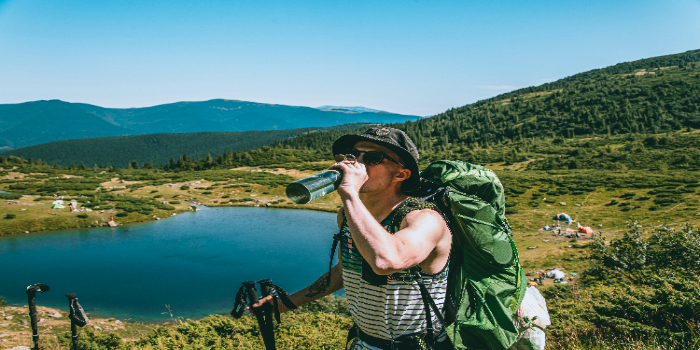
You can have the perfect good hiking snacks packed, but if you’re dehydrated, your performance will still plummet. Hydration isn’t just about water; it’s about the essential minerals you lose when you sweat.
- Electrolyte Replacement: Electrolytes, primarily sodium, potassium, and magnesium, are the spark plugs that help your cells function, especially muscle and nerve activity. When you sweat, you lose them, which can lead to cramping, fatigue, and even mental confusion.
- When to Use Them: For short, low-intensity hikes, plain water is fine. However, for any hike over two hours, or any activity in hot, humid weather, you must replace these minerals.
- Practical Solutions: Electrolyte tablets (the fizzy kind) or powder mixes are lightweight and highly effective. They turn plain water into a critical “liquid snack” that helps your body absorb the water you drink and replenish lost salts. Salty snacks like pretzels or jerky also help you retain fluids better.
Expert Tips for Packing and Storage
Once you have your menu planned, organizing your pack can save you time, frustration, and ensure food safety.
A. The “Pocket Food” Strategy
The hardest part about eating often is stopping to dig through your main pack. Use your exterior pockets for your high frequency snacks.
- Hip Belt Pockets: Reserve these for the snacks you plan to eat hourly, energy bars, small bags of trail mix, or chew packets. This keeps the calories constantly within reach.
- Shoulder Strap Pockets: Ideal for lip balm, sunscreen, and maybe a small packet of electrolyte powder.
- Top Lid/Brain: Your lunch and mid morning snack can go here, easily accessible during a scheduled break without opening the whole pack.
B. Waste Management: Leave No Trace
The wilderness is not a trash bin. The fundamental principle of Leave No Trace (LNT) is “Pack it in, pack it out.” This includes all food waste.
- Food Scraps are Trash: Many hikers mistakenly believe fruit peels, nutshells, and cores are biodegradable and can be left behind. While they will eventually break down, they can take months or even years. More importantly, they attract wildlife (like bears, rodents, and birds), altering their natural foraging behavior and exposing them to human food, which can be harmful.
- The Dedicated Trash Bag: Carry a small, bright colored, sealable bag (like a Ziploc or a small dry bag) strictly for trash and food wrappers. Don’t mix it with your general gear. This makes it easy to find and ensures you pack everything out.
C. Critter Proofing: Keeping Your Food Safe
If you are backpacking overnight, properly storing your food is critical to protect wildlife, your food supply, and yourself.
- Scent Management: Even after you finish your good hiking snacks, the wrappers will smell. Store all food, trash, and scented items (toothpaste, sunscreen) together.
- Bear Canisters and Hanging: In bear country, a bear canister is often mandatory. If one is not required, use a proper bear hang system to suspend your food bag at least 10–12 feet off the ground and 6 feet away from the tree trunk. The key is separating your food storage area from your tent by at least 100 feet.
Conclusion: Your Next Adventure, Perfectly Fueled
Hiking is a pursuit of beauty, challenge, and self reliance. The difference between a grueling struggle and a powerful, joyful trek often comes down to how well you’ve handled your nutrition. By viewing your good hiking snacks not as a luxury but as a finely tuned part of your gear system, you take control of your energy levels.
Remember the simple, powerful formula: Balance and Consistency.
- Balance your food choices across the three major macronutrients, carbs for immediate power, fats for dense, long-lasting fuel, and protein for muscle support.
- Consistency is key: eat small amounts frequently (grazing, not gorging) and drink electrolytes whenever the intensity or heat dictates.
Armed with this knowledge, you are ready to stop worrying about hitting the wall and start focusing on the next stunning vista. Go ahead, lace up your boots, pack those powerhouses, and hit the trail with confidence.
What’s your favorite go to trail mix ingredient? Share your wisdom in the comments below!
If you enjoyed reading this post explore; What to Wear Hiking in Europe: The Expert’s Layering Guide