We’ve all seen them: the infamous foam clogs, clipped onto a backpack, or perhaps even spotted skipping merrily across a river crossing. Crocs. They’re the shoe of doctors, gardeners, toddlers, and serious hikers? It sounds like a joke, yet the question is asked in every hiking community: Can you really go hiking in Crocs?
Let’s cut right to the chase, because you’re here for an honest answer from someone who has spent years on the trail: Yes, you can hike in Crocs, but only under very specific and limited circumstances. They are not a true substitute for dedicated hiking footwear like boots or trail runners on technical or long trails. Instead, think of them as an incredibly versatile, specialized tool for your hiking kit, your feet’s favorite rest stop, the best shoe for water crossings, and the perfect companion for short, non-technical paths. If your hike involves steep climbs, loose scree, or covering many miles, keep your primary hiking shoes laced up. But for everything else, the Croc might just earn a permanent spot on your pack.
This is the ultimate guide to understanding when, where, and how (or why not) to embrace the Crocs life on the trail. We’ll dive into the unexpected benefits, the critical flaws, and the precise models that might just survive a short trek.
The Case For Hiking in Crocs: Unique Trail Advantages
Before we throw Crocs into the trail penalty box, let’s acknowledge why this debate even exists. There are genuinely fantastic qualities that make these clogs appealing to both minimalist hikers and those just looking for serious comfort after a long day. The benefits largely boil down to the core material and the simple design.
A. Comfort and Cushioning: A Hug for Tired Feet
The single biggest draw is comfort. After spending six or eight hours locked into stiff, heavy boots, slipping your feet into a pair of Crocs can feel like pure luxury.
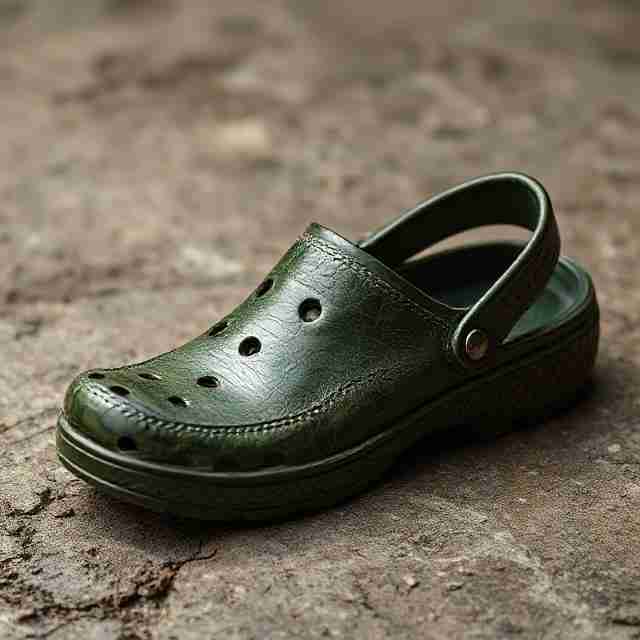
- The Croslite Foam Advantage: The proprietary closed-cell resin material, known as Croslite™, is the secret sauce. It’s a remarkable, highly shock-absorbent polymer that provides significant cushioning underfoot. It molds slightly to your foot over time, creating a custom fit that many long distance backpackers swear by for camp shoes.
- The Wide Toe Box: Unlike many aggressive trail shoes that taper at the toe, Crocs are generously wide. This is a massive relief for hikers, as it allows your toes to splay naturally and comfortably, preventing the kind of painful cramping and pressure that can lead to issues like bunions. For short jaunts, that cushioned, roomy feel is hard to beat.
B. Unmatched Water and Weather Versatility
If you hike in areas prone to sudden rain, high humidity, or numerous stream crossings, the water handling of Crocs is arguably their best feature. They are, essentially, amphibious footwear.
- Quick-Drying and Water Friendly: Because they are non porous foam, Crocs don’t absorb water the way a fabric shoe or leather boot does. You can dunk them completely in a stream, shake them off, and be virtually dry a minute later. This makes them the ultimate piece of gear for fording rivers and tackling boggy trails.
- Ease of Cleaning: Muddy trail? No problem. A quick rinse under a hose or even swishing them in a stream is all it takes to make them look almost new. Try that with a mesh trail runner!
C. Weight and Packability: The Essential Camp Shoe Role
For serious backpackers, every ounce matters. This is where Crocs truly shine as a specialized piece of gear, they are the undisputed champion of the “camp shoe.”
- Ultralightweight: A classic pair of Crocs Clogs is incredibly light, often weighing significantly less than an average pair of flip flops. This negligible weight makes them easy to justify carrying for multi day trips.
- Practical Pack Clip: Their chunky design is actually a benefit here. They are easy to clip onto the outside of your backpack using a carabiner, keeping them out of your pack and accessible for quick transitions from boots to camp comfort.
Exciting read: Hiking Pole Replacement Tips: When and How to Swap Out Worn Parts
The Case Against Hiking in Crocs: The Critical Flaws
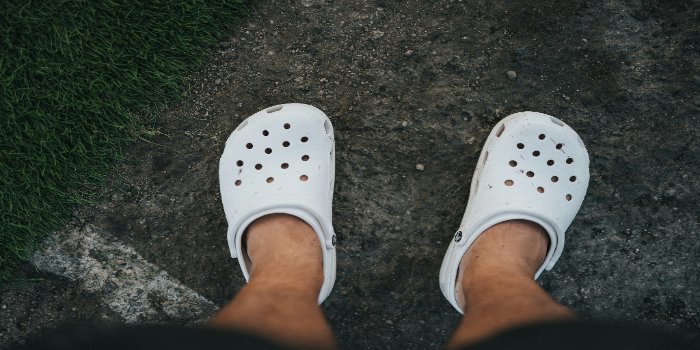
Now, for the part of the article that often sparks the most fiery debate. While the advantages are real, they are heavily outweighed by the serious risks and drawbacks when Crocs are used as the primary hiking shoe on anything other than the tamest, shortest path. The weaknesses are directly related to the shoe’s relaxed design, not its material.
A. Traction and Grip: The Liability of the Sole
The moment you step onto a wet rock, a muddy slope, or loose gravel, the primary flaw of the classic Croc Clog becomes painfully clear: they just don’t grip well.
- Slippery Soles: The tread pattern on standard Crocs is simply not designed for the varied terrain of a hiking trail. They lack the deep, multi directional lugs (or cleats) needed to bite into soft earth, mud, or loose scree. This significantly increases your risk of slipping and falling, especially on wet, algae covered surfaces.
- Internal Slippage: Even if the outsole were perfect, the inside of the clog can become treacherous. Once your feet start to sweat or get wet from a puddle, they slide around inside the shoe. This lack of security makes your gait unstable, forces your toes to work harder to keep the shoe on (which leads to fatigue and blisters), and drastically reduces control.
B. Lack of Protection and Support: A Recipe for Injury
This is the most critical issue. Hiking in any footwear requires protection from the hazards of the trail, and Crocs offer almost none.
- Minimal Ankle Support: Crocs are low profile and offer zero lateral support. On an uneven trail where rocks and roots are common, this increases the risk of a severe ankle roll (or sprain). Hiking boots, and even most robust trail runners, are designed to stabilize the ankle during lateral movements; Crocs are not.
- Exposure to Debris and Danger: The famous ventilation holes that make Crocs so breezy also allow small pebbles, grit, thorns, and sticks to enter the shoe constantly. You’ll have to stop repeatedly to shake debris out, disrupting your rhythm and wasting time. Worse, the exposed toes and upper foot are vulnerable to impact from sharp objects or falling rocks. Imagine dropping a small boulder or striking a sharp root with your toes in a Croc, the result is never good.
C. Biomechanical Instability and Long-Term Fatigue
The relaxed fit that makes Crocs so comfortable in the garden is exactly what makes them a poor choice for sustained activity.
- The “Toe Grip” Effect: Many people who walk long distances in an insecure shoe (like flip flops or classic clogs) unconsciously start to “grip” the shoe with their toes to keep it on. This over exertion of the toe flexors causes severe, cumulative fatigue in the foot muscles, the arch, and the lower leg. This can lead to conditions like plantar fasciitis or tendonitis over time.
- Heel Instability: The lack of a firm, molded heel cup means your heel isn’t held in a stable position. This causes micro movements in the foot with every step, which is a prime generator of friction and, consequently, debilitating blisters.
Where Crocs Shine: Ideal Hiking Scenarios
Having established that classic Crocs should not be your primary footwear, let’s pivot back to where they are an absolute asset. Think of them as the Swiss Army Knife of your gear, great at specialized, momentary tasks.
The Perfect Role: Dedicated Camp and Hut Shoes
This is the most common and universally accepted use of Crocs in the long distance hiking community, and for good reason.
- Post-Hike Relief: Stepping out of your heavy, often damp primary shoes and into a dry, cushioned Croc is an indescribable pleasure. It gives your feet, which have carried you over miles of unforgiving ground, a chance to breathe, swell naturally, and recover.
- Ease of Camp Life: They are perfect for shuffling around a campsite, fetching water, using a backcountry bathroom, or walking around a high alpine hut. They prevent you from tracking dirt inside your tent or cabin and are instantly accessible.
Essential Water Crossing Footwear
If a trail requires you to ford a deep stream or river, changing into a pair of Crocs is far superior to soaking your expensive hiking shoes or balancing precariously barefoot.
- Grip (Relative to Barefoot): While their traction isn’t great on land, it’s far safer than navigating a slippery, rocky stream bed barefoot. The rubberized foam protects your foot from sharp objects beneath the water’s surface.
- Speed and Efficiency: They allow you to change in seconds, complete the crossing efficiently, and change back into your dry shoes immediately, saving your primary footwear from a soaking that could take days to dry out.
Short, Easy, and Maintained Paths
If your goal is a gentle, local park trail or a maintained nature boardwalk, a walk, not a strenuous hike, Crocs can absolutely work, provided the path is smooth and mostly flat.
- Dog Walks and Casual Strolls: For short distances (three miles or less) on packed dirt, gravel paths, or pavement, the comfort and ventilation of Crocs are a great choice. They are excellent for errands where you might encounter a little mud or wet grass.
Suggested read: Hike Stronger: The Expert Guide to Packing Good Hiking Snacks for All-Day Energy
Choosing the Right Croc Model for the Trail
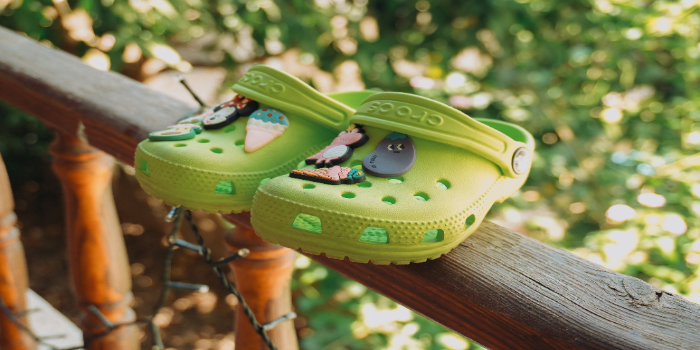
If you are determined to try hiking in Crocs for light trail work, you absolutely must look beyond the basic model. Crocs has responded to the demand by creating lines with significantly improved trail features.
The Classics: Camp Only
| Croc Model | Ideal Use Case | Pros for Hiking | Cons for Hiking |
| Classic Clog | Camp, water crossing, short paved paths. | Lightest weight, maximum ventilation. | Zero traction, minimal foot security. |
| Lined Clog | Camp only, cold weather. | Maximum warmth and comfort. | Too warm for hiking, poor water handling. |
Trail Ready: Acceptable for Light Hiking
Look for the “All Terrain” or “Hiker” models. These are the only versions that can realistically handle uneven surfaces due to key upgrades in their design:
- Rugged Outsoles: These models incorporate deeper, more aggressive tread patterns (lugs) made of a tougher rubber compound. This gives you much needed bite into loose dirt, mud, and sand, directly addressing the biggest weakness of the classic clog.
- Adjustable “Turbo” Heel Strap: This is the most crucial upgrade. The standard heel strap is flimsy; the “Turbo” strap is thicker, often padded, and, most importantly, adjustable. You can cinch it down to lock your heel firmly into the shoe, virtually eliminating the dangerous internal slippage and the need for the “toe grip” (Source: Backpacker Magazine reviews often highlight the Turbo Strap as essential).
- Higher Sidewalls: Some trail focused models have slightly higher sidewalls and better toe coverage, offering a marginally improved defense against trail debris and toe impacts.
Expert Advice: If you are going to try an actual trail in Crocs, you must wear a model with an enhanced outsole and the Turbo Strap. Otherwise, the risk of a fall is too high.
Expert Tips: Best Practices for Hiking in Crocs Safely
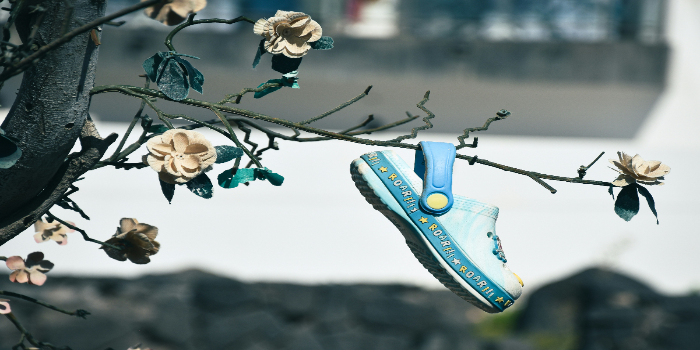
If you’ve decided to deploy your Crocs on the trail for any reason, whether it’s for a quick mile or a full river crossing, a few seasoned rules will keep your feet safe and blister free.
Rule 1: Always Engage Sport Mode
The strap isn’t decorative. It’s what transforms the classic clog from a slip on garden shoe to, well, a slightly more secure trail option.
- Heel Strap Down: Before taking a single step on an uneven surface, ensure the heel strap is pulled down and locked behind your ankle. This is what hikers affectionately call putting the Crocs into “Sport Mode.” This action physically holds your foot in the shoe, dramatically reducing both internal slippage (the cause of blisters) and the risk of the shoe flying off on a steep slope.
Rule 2: Wear the Right Socks
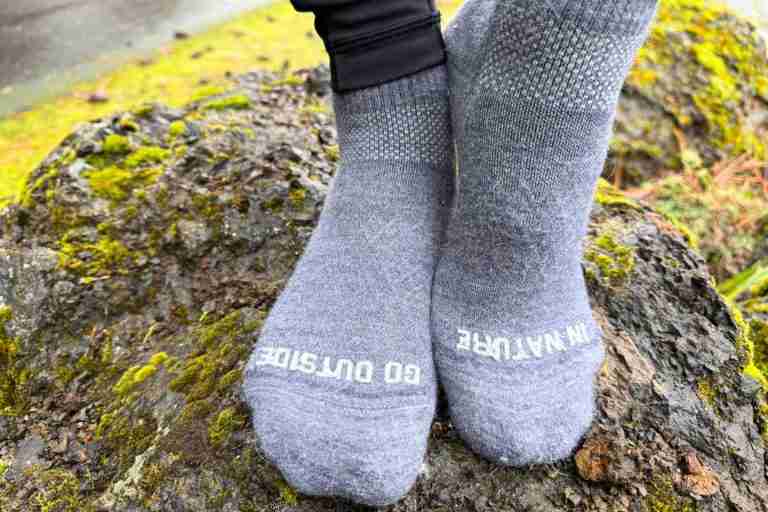
Counterintuitive as it may seem, you should absolutely wear socks with your Crocs, especially for hiking.
- Friction Management: When your bare skin rubs against the foam of the Croc, particularly when wet or sweaty, the friction creates painful blisters in a matter of minutes. A quality pair of wool or synthetic hiking socks acts as a crucial barrier, managing moisture and absorbing friction (Source: The Appalachian Trail Conservancy often recommends wearing appropriate socks even with camp sandals).
- Debris Control: Socks also help prevent small bits of grit that sneak through the ventilation holes from rubbing directly against your skin.
Rule 3: Know Your Terrain and Distance Limit
Self awareness is your best piece of safety gear. Never take risks with your feet when you are miles from the trailhead.
- Stick to Non-Technical Trails: Do not attempt steep elevation changes, long sections of loose rock (scree), or heavily rooted paths. Crocs are fine for packed dirt and small gravel.
- Set a Mileage Cap: Don’t attempt a full day hike in Crocs. Keep your usage to under five miles, ideally, and only on flat ground. Their lack of support will catch up to you quickly on a longer trek, leading to foot and knee pain.
Rule 4: Pack a Backup Plan
Never rely solely on your Crocs if you are going more than a mile or two from your car.
- Primary Footwear is King: Always bring your boots or trail runners. Crocs should be packed alongside your primary footwear, not instead of them. Use them as your relief shoe or your specialized water crossing shoe.
Explore 15 Best Hiking Gifts That Outdoor Lovers Will Actually Use
The Verdict: When to Embrace the Hiking in Crocs Life
The debate over hiking in Crocs is a classic case of the right tool for the right job. They are, at their core, a compromise, an exchange of protection and support for comfort, ventilation, and incredible convenience.
The Summary Fact Sheet
| Feature | Primary Hiking Shoe (Boot/Runner) | Crocs (All-Terrain Model) | Crocs (Classic Clog) |
| Ankle Support | Excellent | Minimal (None) | Minimal (None) |
| Underfoot Protection | Excellent (Rock Plate) | Marginal | Poor |
| Traction (Mud/Scree) | Excellent (Deep Lugs) | Moderate (Enhanced Outsole) | Poor (Slippery) |
| Water Crossing | Requires drying time | Excellent (Fast drying) | Excellent (Fast drying) |
| Camp Comfort | Poor | Excellent | Excellent |
| Recommended Use | Long trails, steep terrain, heavy pack. | Short, flat, easy paths; water crossings. | Camp, cabin, stream fords. |
Final Thought: An Expert’s Perspective
As a hiker who values both comfort and safety, here is the honest truth: Clip them to your pack, bring them on every multi day trip, and celebrate their brilliant usefulness around camp and across those deep streams. They are genius camp shoes and phenomenal water shoes. But please, for the sake of your ankles, knees, and feet, put your dedicated, supportive hiking shoes on when you hit a proper trail. Embrace the comfort of your Crocs at the end of the day, but rely on your boots to get you there safely. The Crocs life is a good one, it just needs to be lived strategically on the trail.