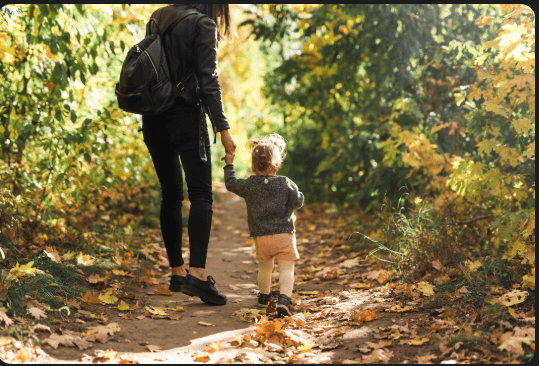
Remember when a hike was about logging miles and reaching summits? Let me tell you a little secret: those days are gone, and something far better is here. I’ve stood on breathtaking peaks, but some of my most cherished moments on the trail have been watching my own kids, their tiny hands covered in dirt, marvel at a line of ants carrying a crumb. Hiking with a toddler isn’t just a walk in the woods; it’s a whole new way of seeing the world, and yes, you can absolutely do it without losing your mind.
If you’re wondering how to even begin, you’re in the right place. The answer isn’t about finding the toughest trail or the perfect booties. It’s about a simple shift in mindset. Success is no longer measured by the distance you cover, but by the wonder you uncover together. This guide will walk you through everything, from changing your perspective to choosing the right gear, so you can create joyful, safe, and memorable outdoor adventures for your entire family.
The Trail Starts in Your Mind: Cultivating the Right Mindset
Before you even look at a trail map or lace up a boot, the most important preparation happens right between your ears. The single biggest mistake I see new parents make is bringing their old hiking expectations onto the trail with their toddler. So, let’s clear the deck and start fresh.
Think “Micro Adventure,” Not “Marathon”
Forget everything you know about pace and destination. A successful hike with a toddler can be a half-mile loop that takes an hour. It might only get you 200 yards from the parking lot. And that is a complete, total, and utter victory. The goal is the experience itself, the sensory input of crunching leaves, the cool feeling of mud, the fascination with a wiggly worm. When you embrace the micro adventure, you release the pressure on yourself and your child, and that’s when the real magic happens.
It’s All About the Process
On a typical hike, the summit or the waterfall is the goal. When you’re hiking with a toddler, the trail itself is the destination. Every rock is a mountain to be climbed, every puddle is an ocean to be explored. Your job isn’t to rush them through these moments; it’s to get down on their level and experience them together. The journey is the destination. This shift from achievement to process is the golden key to enjoying your time outdoors as a family.
Your New Superpower: Flexibility
I’ll be straight with you: there will be meltdowns. There will be unexpected diaper changes on a log. There will be days you pack for hours, drive for forty minutes, and only spend ten minutes on the trail before someone decides they’re done. And that’s okay. The most essential piece of gear you can pack is a flexible attitude. Be prepared to bail, to change plans, to sit on the trail and have a snack party instead of moving forward. The trail will always be there another day. Ending on a positive note, however short the adventure, means your toddler will be excited to come back.
Gearing Up Without Going Overboard
You don’t need a garage full of expensive equipment to start hiking with a toddler, but a few key items will make your life infinitely easier and safer. Let’s break down the essentials.
Footwear and Clothing: Comfort is King
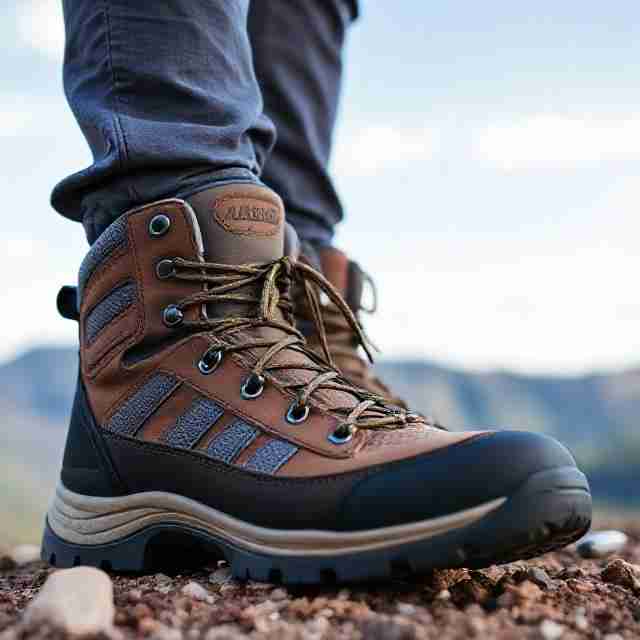
For your toddler, forget flimsy shoes. They need sturdy, closed-toe shoes with a good grip. Think small hiking shoes or robust sneakers that can protect their feet from roots and rocks. No sandals or Crocs on the trail, trust me on this.
When it comes to clothes, layers are your best friend. I follow a simple three-part system:
- A base layer that wicks moisture away from their skin (think polyester or wool, not cotton).
- An insulating mid-layer like a fleece or hoodie for warmth.
- A weatherproof outer layer, a rain jacket and pants, to block wind and rain.
Always, always pack a spare set of clothes in the car. You will be thanked.
The Lifesaver: The Child Carrier
A good child carrier is worth its weight in gold. It’s a safe place for your child when they’re tired, it keeps them up away from dirt and bugs, and it carries your gear. When choosing one, look for:
- A sunshade/rain hood: This is non-negotiable for protection.
- A stable, comfortable hip belt: This transfers the weight from your shoulders to your hips.
- Pockets you can reach: So you can grab snacks or a pacifier without taking the pack off.
Brands like Osprey and Deuter make fantastic models. If you can, try a few on with your child inside to ensure a good fit. Remember, you’re carrying extra weight, so start with short, flat trails to build up your strength.
The “Don’t-Leave-Home-Without-It” Daypack
Your daypack will be your mobile basecamp. Here’s a quick checklist of what to pack beyond the usual adult essentials:
- Hydration: More water than you think you’ll need, for both of you. A dedicated, easy-sip water bottle for your toddler is a must.
- The Snack Arsenal: Snacks are not just sustenance; they are motivation and distraction. Pack high-energy, low-mess favorites. Fruit pouches, granola bars, crackers, and cheese sticks are all great options.
- Sun and Bug Protection: A wide-brimmed hat, baby-safe sunscreen, and kid-friendly insect repellent are essential.
- A Mini First-Aid Kit: Band-aids (fun ones are a bonus!), antiseptic wipes, and tweezers for splinters.
- The “Uh-Oh” Kit: A few diapers, wipes in a ziplock bag, and a small plastic bag for packing out dirty diapers. Following Leave No Trace principles is crucial, even with diaper waste.
Choosing Your First Adventures: Finding the Perfect Trail
Not all trails are created equal for tiny legs and big curiosity. Picking the right path can make the difference between a dream day and a disaster. Here’s what to look for.
What Makes a Trail “Toddler-Approved”?
You’re scanning a map or an app like AllTrails. Here are the green flags:
- Short Distance: Aim for 1 to 2 miles, maximum. A loop trail is fantastic because the scenery constantly changes.
- Minimal Elevation Gain: Look for the “flattest” trail you can find. A little bump is fine, but avoid any serious climbs.
- Engaging Features: Trails with a payoff beyond the end are winners. Think a babbling creek to throw rocks in, a fun bridge to cross, a field of flowers, or interesting rock formations to scramble on.
- A Clear “Bail-Out” Plan: Loop trails are great, but an out-and-back trail is even better for beginners. Why? Because you can turn around at any point. The moment you sense a meltdown, you’re already on your way back. No pressure to finish the loop.
To help you visualize the perfect starting point, here is a quick-reference guide to trail types.
Toddler Trail Finder: Choosing Your Path
| Trail Type | Ideal For | Pro Tip |
|---|---|---|
| Paved Greenway | Absolute Beginners & Strollers | Zero mud, wide path. Focus on people-watching and smooth riding. |
| Flat Forest Loop | New Walkers & Wobbly Legs | Soft ground for falls, engaging sights and sounds. Practice “Leave No Trace” by staying on the path. |
| Out-and-Back to a Stream | Toddlers with More Energy | A huge motivational payoff! Let them splash safely at the “destination.” |
| Nature Center Trails | Curious Explorers | Often have guided activities, scavenger hunts, and bathrooms nearby. |
Using Technology Wisely
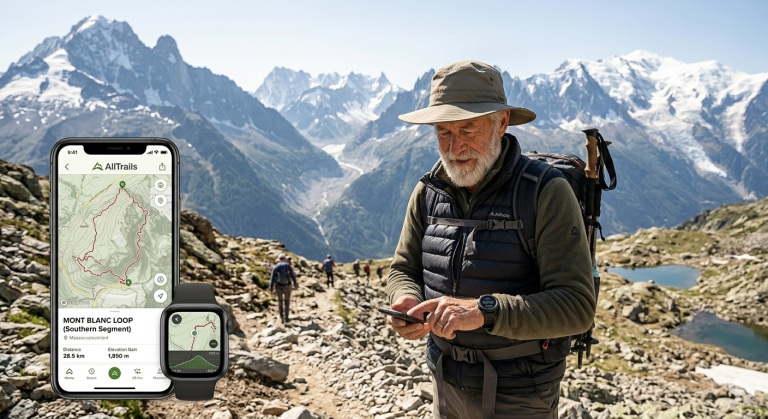
Apps like AllTrails are a family hiking game-changer. Use the filters to search for “Easy” trails and then read the recent reviews. Other parents are your best resource! They will often mention in the comments if a trail is “good for kids” or has features your toddler will love. The American Hiking Society also offers great general tips for hiking with families on their website, which is a wonderful resource for building your knowledge.
On the Trail: Your Game Plan for Success
You’ve got the right mindset, your pack is ready, and you’ve chosen a perfect, toddler-friendly trail. Now comes the real fun: actually hitting the dirt. This is where your role shifts from planner to guide, cheerleader, and sometimes, snack dispenser.
The Great Carry vs. Walk Balance
One of the most common questions I get is, “How much should they walk versus ride?” The answer is beautifully simple: let them walk until they are tired, then let them ride.
Start with the carrier on your back, but let your toddler out to walk from the very beginning. This allows them to burn energy and satisfy their curiosity immediately. They will set the pace, and it will be slow. Embrace it. When they start to lag, trip more often, or get fussy, it’s carrier time. The goal is to make the transition before the full-blown meltdown. Sometimes, just the offer of a snack and a higher vantage point from the carrier is enough to reset the mood.
The Snack Strategy: Fuel for Fun
Let’s talk more about snacks, because they are the secret weapon of successful family hiking. I don’t just pack snacks for hunger; I use them as a motivational tool.
- The Trail Mix Bribe: See a cool viewpoint a hundred feet ahead? Motivate your little hiker with the promise of a favorite snack when you get there.
- The Distraction Snack: A sudden stumble leads to tears? A surprise fruit pouch can work miracles in turning those tears around.
- The Hydration Reminder: Kids won’t always tell you they’re thirsty. Offer sips of water frequently, especially on warm days. Making it a “water toast” can make it more fun.
Keep snacks accessible, in a hipbelt pocket or the very top of your pack, so you don’t have to stop and unpack everything.
Be the Guide to Wonder
Your job isn’t to point out the distant mountain range (though you can try!). It’s to get down on their level and notice the small wonders.
- Play “I Spy” Nature Edition: “I spy something green and wiggly (a leaf), something shiny (a rock), something busy (an ant).”
- Follow Their Lead: If they are fascinated by a single dandelion for five minutes, let that be the highlight of the hike. Your agenda can wait.
- Give Them a “Job”: Hand them a small bucket to collect “treasures” like pinecones, cool leaves, or smooth stones (just check park rules first). A small magnifying glass can turn them into a nature detective.
Remember, you are building core memories here. The goal is for them to associate the trail with fun and connection, not with being rushed.
Safety and Smarts: Hiking with Confidence
Having fun is priority one, but safety is the foundation that makes it all possible. A few simple practices will give you the confidence to relax and enjoy the day.
The “Touch, Don’t Eat” Rule
This is the most important safety lesson for any young child in the outdoors. Make it a clear and consistent rule from day one. They can touch leaves and rocks, but nothing goes in the mouth without your say-so. This is your best defense against unpleasant plants like poison ivy or toxic mushrooms. It’s a good idea to familiarize yourself with what common poison ivy looks like in your area, “leaves of three, let it be.”
Hands-On and Eyes-Up Supervision
This isn’t a time for scrolling on your phone. Hiking with a toddler requires active, hands-on supervision. Hold their hand on uneven terrain, stay between them and any drop-offs, and keep them within arm’s reach near water. Creeks and lakes are incredibly fun, but they require 100% of your attention.
Wildlife Encounters (The Small and The Big)
You’re unlikely to see a bear, but you will see bugs, birds, and maybe a squirrel. Teach your child to observe animals from a distance.
- For small creatures: We watch with our eyes, not with our grabbing hands.
- For larger animals: Make a game out of being quiet and still if you see a deer or other wildlife. The goal is to observe without disturbing. In the very rare event you see a larger predator like a bear or mountain lion, your job is to pick up your child, group together with others, and back away slowly. Never run. Carrying a small whistle on your pack is a simple, effective safety measure for these scenarios.
Leave No Trace for Families
We all want to leave the woods as beautiful as we found them for the next family. The Leave No Trace principles are simple to adapt for kids.
- Plan Ahead and Prepare: You’re already doing this!
- Travel on Durable Surfaces: Stick to the official trail to protect fragile plants.
- Dispose of Waste Properly: This is a big one. Pack out everything you bring in, including all food scraps, orange peels, and especially used diapers and wipes. Bring a dedicated zip-top bag for trash.
- Leave What You Find: Encourage your child to admire rocks, flowers, and antlers, but leave them for others to discover.
- Be Considerate of Other Visitors: Step to the side of the trail to let other hikers pass, and keep noise levels respectful.
When Things Go Sideways: The Meltdown Manual
Let’s be real. Even with the best planning, toddlers are unpredictable. A meltdown on the trail can feel overwhelming, but it’s almost always solvable. Think of yourself as a detective.
The Meltdown Protocol
When the tears start, don’t panic. Run through this mental checklist:
- Stop and Assess: Get down on their level. Are they hungry? thirsty? tired? overstimulated? These are the big four.
- Address the Need: This is why you have that magic backpack. Offer water and a high-energy snack immediately. Often, this is the quickest fix.
- Offer Comfort and Connection: Sometimes, they’re just done. A hug, a song, or a few minutes in the carrier for a cuddle can reset everything.
- Distract and Redirect: If the basic needs are met, pull out your trick. “Hey, look at that huge tree over there! Can you help me count its roots?” Or, “I think I see a perfect sitting log for a snack up ahead.”
The Art of the Graceful Exit
Knowing when to call it a day is a skill. If the snacks, water, and cuddles aren’t working, it’s time to head back. There is no shame in turning around. In fact, ending the hike before everyone is utterly miserable is a strategic win. It means your toddler’s last memory of the trail isn’t screaming, but of you rescuing them and making it better. That positive association is what will make them say “yes” to the next adventure.
Final Thought: The Trail Ahead
Hiking with a toddler will redefine what adventure means to you. You’ll trade silent summits for squeals of delight, and you’ll learn more about patience and wonder than you ever thought possible.
The mud washes off. The snacks get eaten. The memories, however, of their small, determined hand in yours on a forest path, of the way their eyes light up at the sight of a waterfall, those stick forever. You are not just taking a walk; you are planting a seed. You are building a foundation for a lifelong relationship between your child and the natural world.
So, grab that carrier, pack those extra snacks, and take that first step. The trail is waiting, and it has so much to teach your whole family. See you out there.